
Laying Up a Classic Car for Winter: The Complete Checklist
You’ve tucked the classic away for winter, pulled the garage door shut, and you won’t see it again until spring. But a car that sits still isn’t resting. Damp air, road salt, stale fuel and old oil all keep working away while it’s parked, and in an Irish winter the enemy isn’t really the cold. It’s the moisture.
The good news is that a proper lay-up takes an afternoon and a handful of products, and it’s the difference between a car that fires up happily in April and one that needs a carburettor rebuild, new brake cylinders and a set of tyres before its first run. Here’s the checklist we’d follow on our own cars, in the order we’d do it.
Why winter storage goes wrong in Ireland
Most lay-up damage comes from water in one form or another:
- Salt. Councils start gritting in November. A single run on salted roads before the car goes away leaves salt in seams, sills and chassis rails, where it keeps attracting moisture all winter.
- Condensation. Mild, damp days following cold nights make a garage “sweat”. Water condenses on cold metal, inside the fuel tank, and inside an engine that’s only been started for a few minutes.
- Ethanol fuel. Today’s E5 and E10 petrol pulls moisture out of the air. In a parked car it has nowhere to go, so it settles in the tank and carburettor.
- Old oil and fluids. Used engine oil carries acids and moisture from combustion, and brake fluid soaks up water over time. Left standing for months, both attack the metal they’re meant to protect.
The winter lay-up checklist
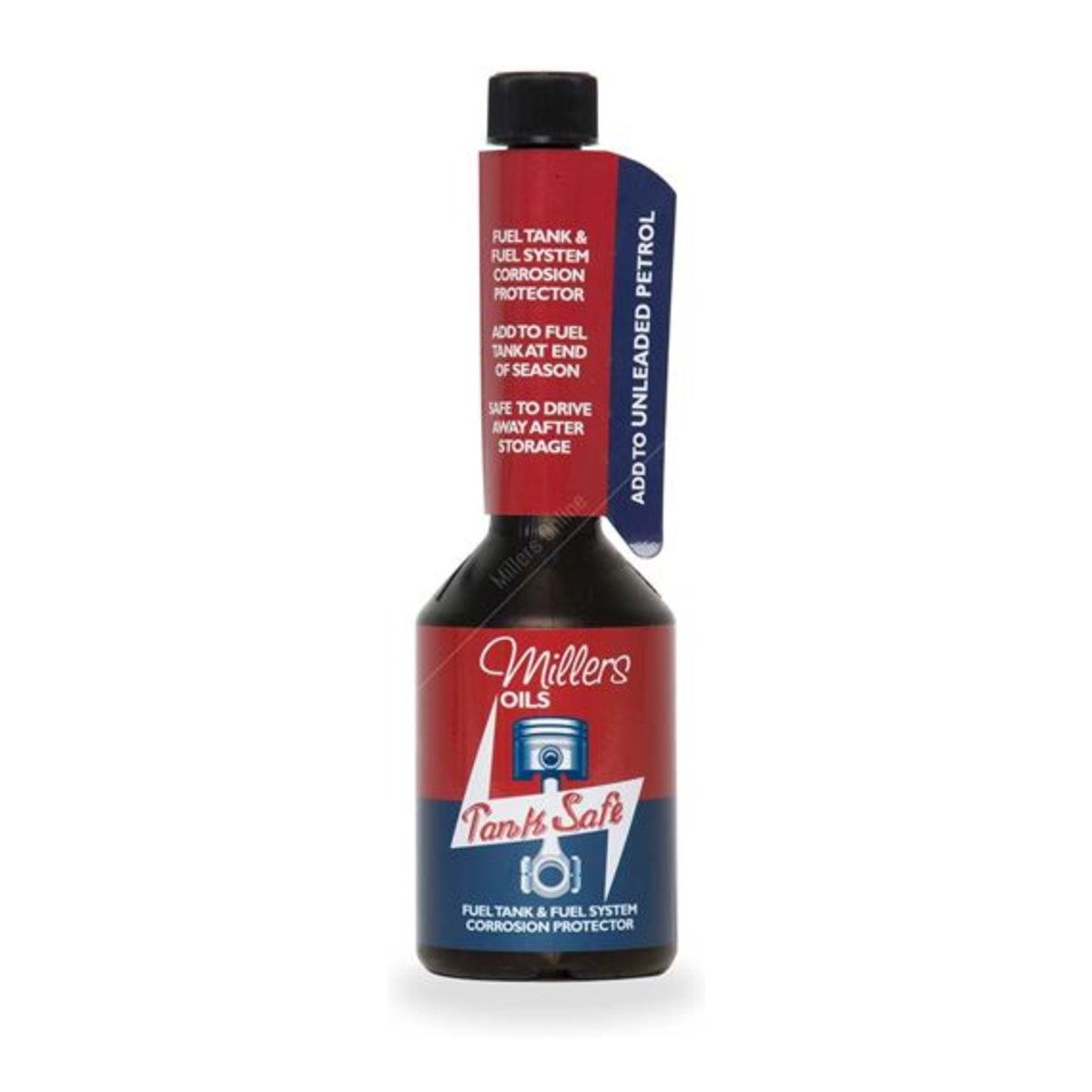
Treat the fuel with Millers Tank Safe, then fill up
This is the single most important job, and it has to be done before the car goes away. Millers Tank Safe is built specifically for storage. It protects the tank, fuel lines and carburettor against the rust and corrosion that moisture and ethanol cause. It also uses Vapour Phase Inhibition (VPI): it releases corrosion inhibitors into the air space above the fuel, protecting the top of the tank that the petrol never touches, which is the area most storage products miss. It works with leaded, unleaded and ethanol petrol, so it suits anything from a pre-war veteran to a 1990s modern classic.
How: add Tank Safe to the tank (one 250ml bottle treats around 50 litres), then fill up. A full tank leaves less air space for condensation. Run the engine for a few minutes so treated fuel reaches the carburettor, and temporarily block any open fuel breathers so the vapour-phase inhibitors stay where they’re doing good.
Change the engine oil and filter before storage, not after
Used oil is full of combustion acids, fuel and moisture. Left in the sump all winter, they etch bearings and cam surfaces. Change the oil and filter before the lay-up, then run the engine briefly so the fresh oil coats everything. Classics need a high-zinc (ZDDP) oil. Millers Classic Pistoneeze 20w50 is the popular choice, and you can browse the full Millers Classic & Vintage range, or use our Oil Finder if you’re not sure which oil you need.
Check the coolant, or go waterless
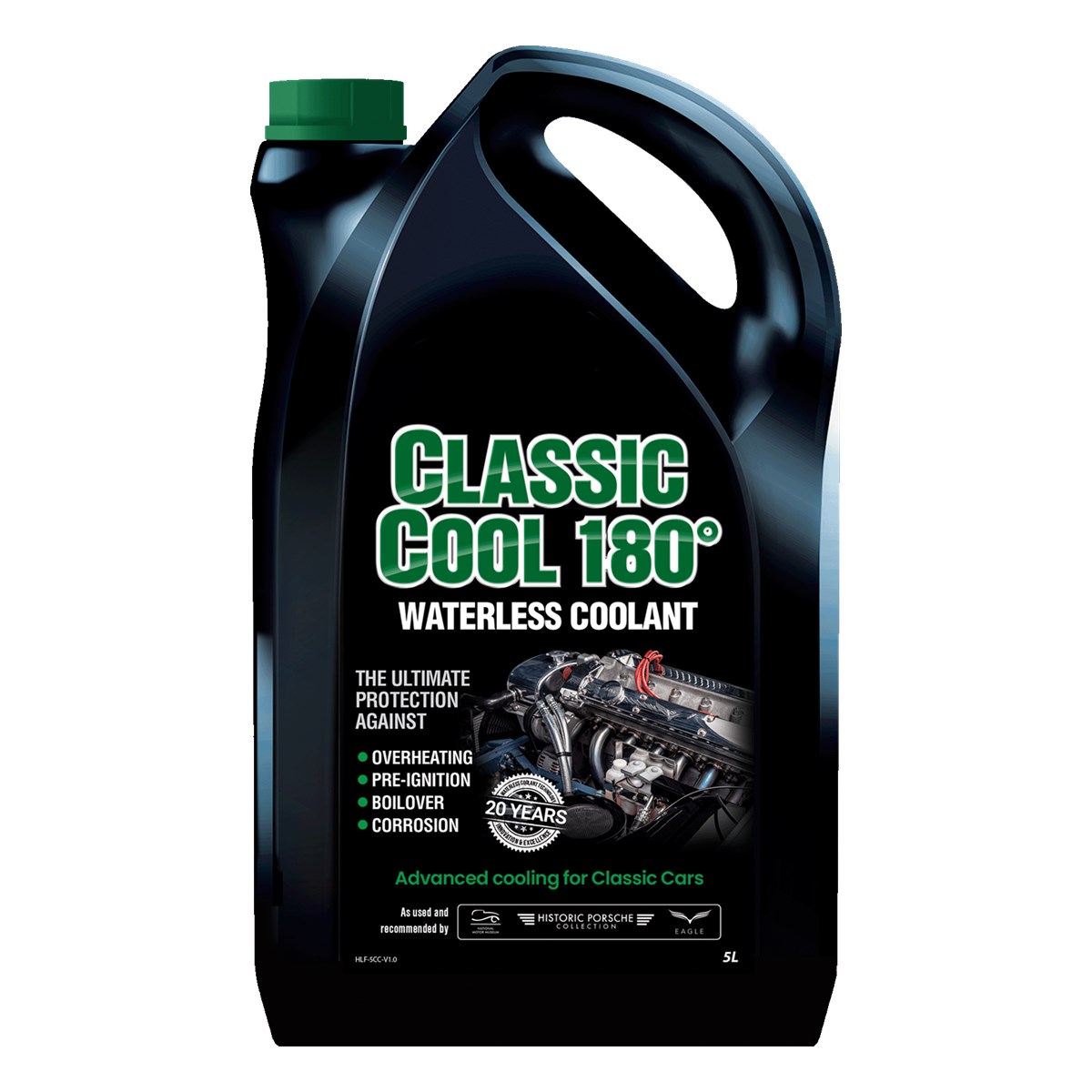
Weak antifreeze can freeze and crack a block, and water-based coolant keeps corroding the inside of the engine while it stands. Check the antifreeze strength with a tester and top up if needed. Better still, switch to Hawk Classic Cool 180 waterless coolant (or Vintage Cool 180 for pre-war engines). It contains no water, so there’s nothing to freeze in a normal Irish winter and nothing to cause internal corrosion. It’s a one-time fill that lasts the life of the engine. See how waterless coolant works.
Wash it properly, especially underneath
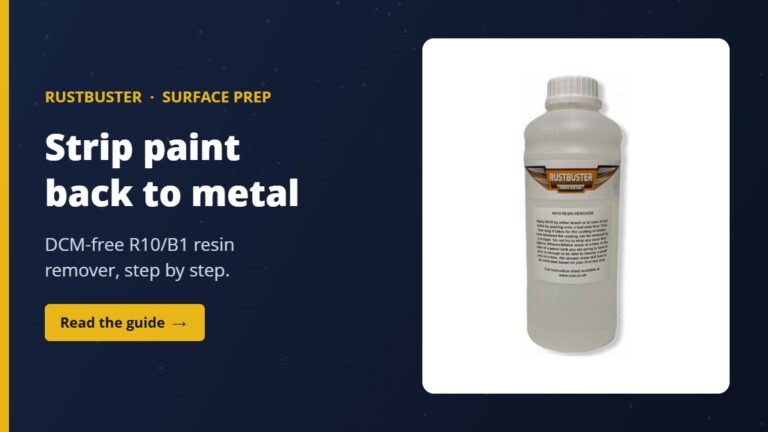
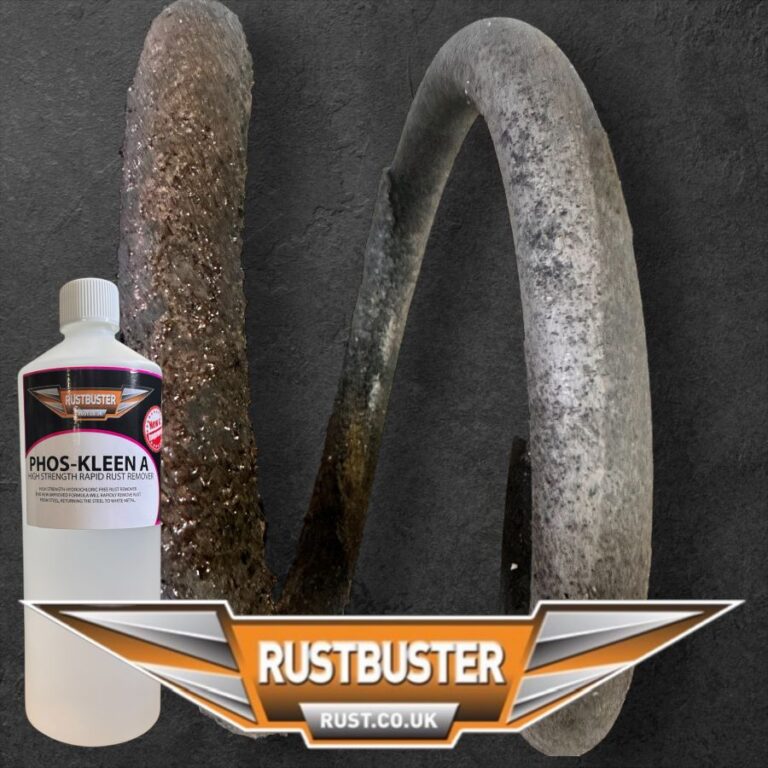
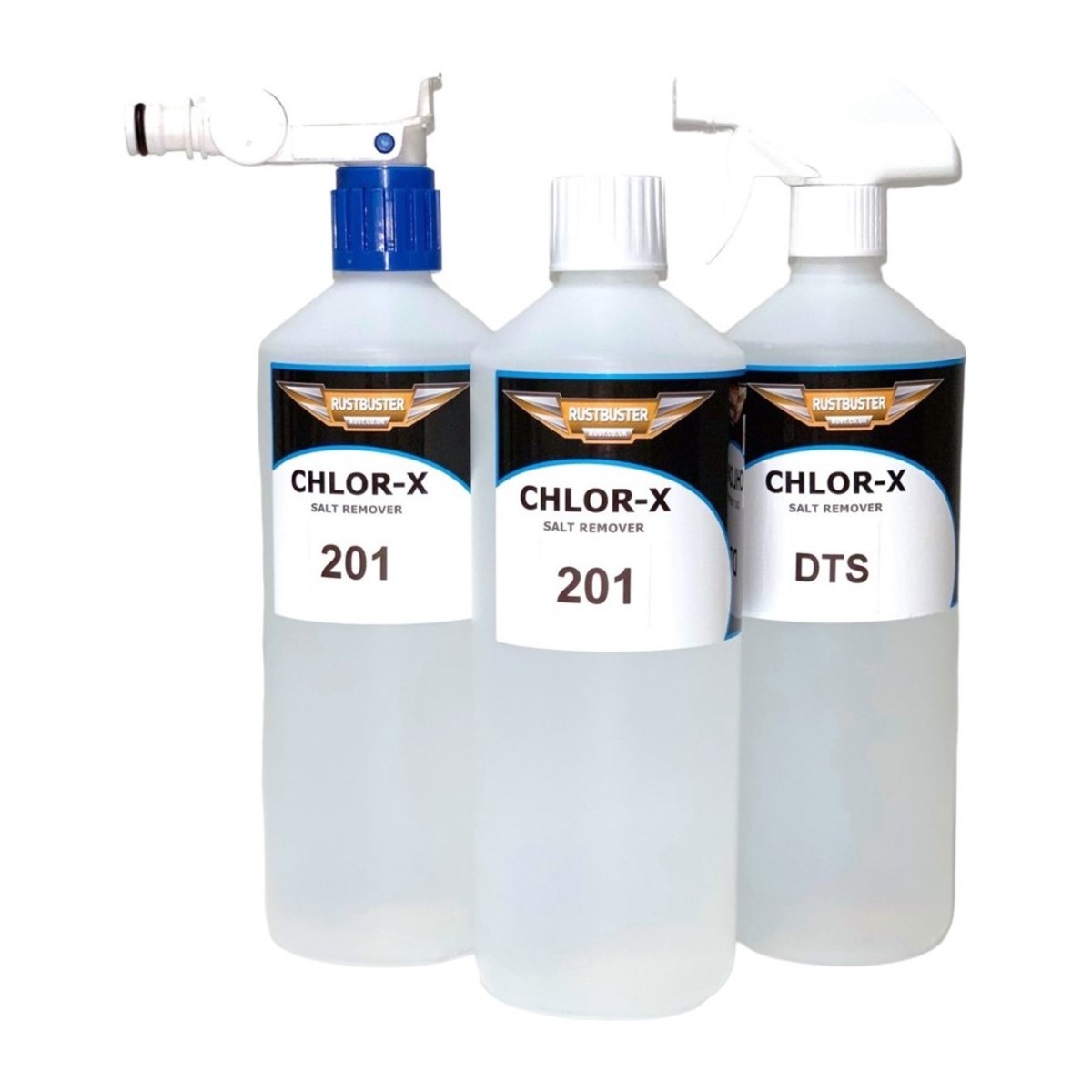
Never lay a car up dirty. Mud holds moisture against the metal, and any salt from late-autumn roads will keep working all winter. Hose out the wheel arches, sills and underside. Where salt is a concern, a wash with Rustbuster Chlor-X removes the salts that plain water leaves behind (why that matters). Then take it for a short dry-weather drive or leave the doors open in the garage until everything is completely dry.
Top up the rust protection
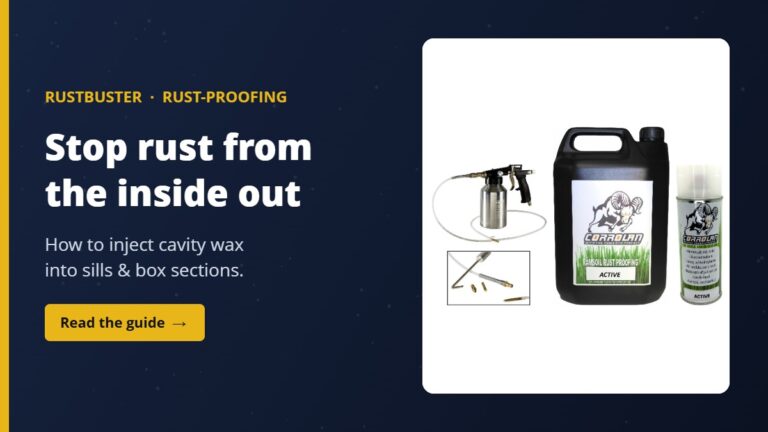
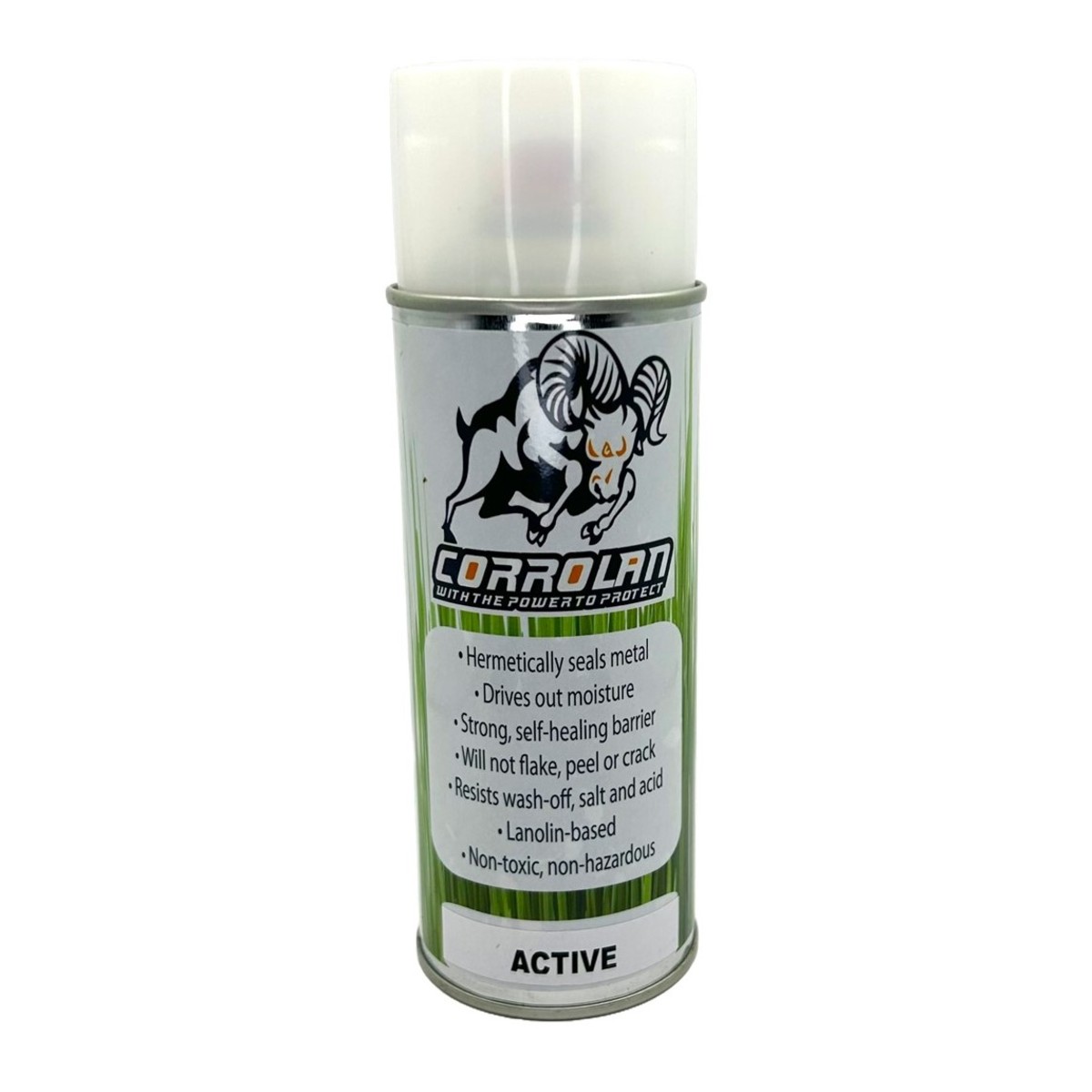
Winter is the ideal time to touch up cavity and underbody protection, because the car isn’t going anywhere while it creeps into the seams. Lanolin wax is ideal for this. Corrolan Active goes into sills, doors and box sections, Corrolan Pure onto the underbody, and Corrolan Penetrator into tight seams first. For the engine bay and polished metalwork, Techshield Clear leaves a dry, invisible, heat-resistant film. See lanolin rust proofing explained.
Wax the paint and dry out the interior
A coat of wax on the paint and brightwork adds a barrier against garage damp. Clean the interior thoroughly: crumbs attract mice, and damp carpets grow mould. Remove any wet mats, put a moisture trap or two inside, and if the garage is secure, leave a window open a few millimetres so air can move.
Brakes: fluid, handbrake and wheels
Ordinary DOT 3/4 brake fluid absorbs water, and in a car that stands for months that water corrodes wheel cylinders and calipers. If the fluid is two years old or more, change it before storage. Many classic owners switch to Automec DOT 5 silicone brake fluid, which doesn’t absorb water. It’s a full-flush conversion, so read our DOT 5 guide first. Don’t leave the handbrake on over winter, because the shoes can rust to the drums. Chock the wheels and leave it in gear instead.
Look after the tyres
Tyres that sit in one position for months develop flat spots, and older crossplies suffer most. Pump them up to the top of the recommended range, or a few psi over, and roll the car a little every few weeks if you can. For long lay-ups, axle stands under the suspension points take the weight off completely.
Keep the battery alive
A battery left connected will be flat, and possibly ruined, by spring. Either disconnect it (and charge it every month or so) or fit a smart maintenance charger that looks after it automatically. A little grease on the terminals stops them corroding.
Grease the chassis, hinges and locks
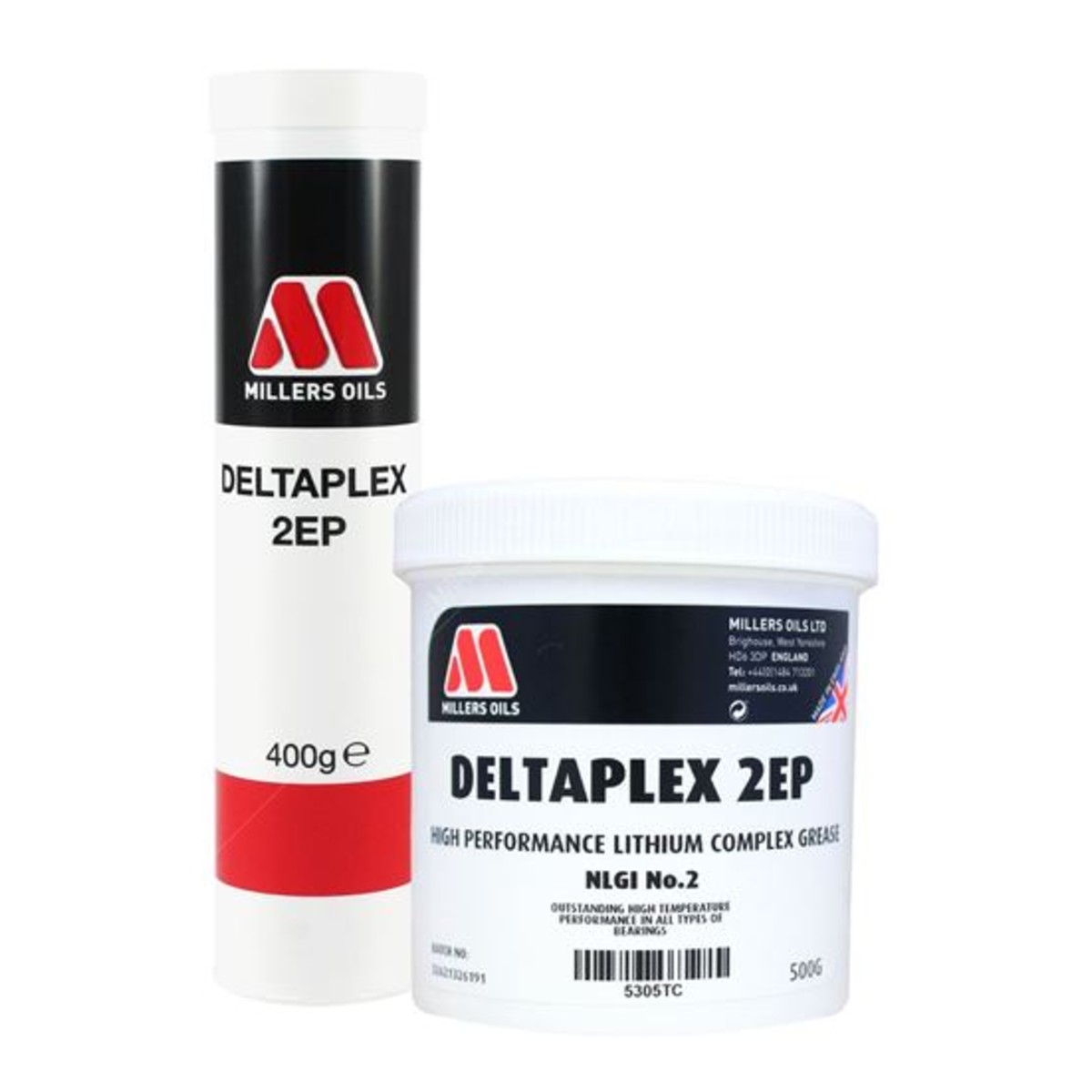
Fresh grease pushes out old grease and any water behind it. Work round every grease nipple on the steering and suspension with a good multi-purpose grease like Millers Deltaplex 2EP, and if your water pump has a greaser, give it a shot of Millers Water Pump Grease. A drop of oil on door hinges, locks and linkages finishes the job.
Choose the storage spot, and the right cover
A dry, ventilated garage is ideal. A dehumidifier, or a car storage bubble in a damp garage, is money well spent. Use a breathable indoor cover, never a plastic sheet or tarpaulin, which traps condensation against the paint. Stuff a rag into the exhaust tailpipe and air intake to keep mice out, and leave a note on the steering wheel so you remember to remove them in spring.
Sort the paperwork
Talk to your insurer. Many classic policies offer laid-up or reduced cover, but keep fire and theft cover in place. If the car won’t be used on the road at all, you can make a declaration of non-use for motor tax instead of taxing it. Check the current rules at motortax.ie before you do.
Common lay-up mistakes to avoid
- Starting it every few weeks “to keep it happy”. A few minutes’ idling makes water vapour in the engine and exhaust that never gets hot enough to burn off. Either leave it alone, or take it for a proper 20-minute-plus drive on dry, unsalted roads.
- Laying it up on a half-empty tank of untreated fuel. That’s more air space for condensation and nothing protecting the metal. Treat the fuel with Tank Safe and fill up.
- Putting it away wet or salty. Whatever is on the car in November is still there in March, and it’s been working the whole time.
- Using a plastic sheet as a cover. It traps moisture against the paint. Use breathable fabric only.
- Leaving the handbrake on. Seized brake shoes are a classic spring surprise.
Laying up a classic motorcycle
Bikes suffer exactly the same problems, and small steel tanks and carburettors make them even more vulnerable to stale fuel. Treat the tank with Tank Safe and fill it up, change the oil (Millers Classic 4T 20w50 for older bikes; see our motorcycle oil guide), and put the battery on a maintenance charger. Stand the bike on a paddock or centre stand to take the weight off the tyres, and give chains, cables and exposed fasteners a protective coat. Hawk PowerSports waterless coolant takes frost worries out of liquid-cooled bikes.
Come spring: waking it up
- Remove the exhaust and intake rags (check the note on the wheel)
- Unblock the fuel breathers
- Refit or recharge the battery
- Check oil, coolant and brake fluid levels
- Set the tyres back to normal pressures
- Check the brakes aren’t binding before the first drive
- Look underneath for leaks or signs of mice
- Top up with fresh fuel on your first run
Your lay-up shopping list

Winter lay-up FAQs
Should I start my classic car over the winter?
Only if you can drive it properly. Starting it for a few minutes creates condensation in the engine and exhaust without getting hot enough to drive it off, which does more harm than good. Either leave it laid up, or take it for a drive of 20 minutes or more on a dry day when the roads haven’t been gritted.
Should I store my car with a full or empty tank?
Full, and treated. A full tank leaves little air space for condensation, and a storage additive like Millers Tank Safe protects the metal both under the fuel and in the vapour space above it. An empty steel tank will rust inside.
How long does petrol last in a stored car?
Modern ethanol petrol starts to degrade within a few months, absorbing moisture and leaving gum and varnish as it oxidises. That’s why treating the fuel before storage matters far more than it did in the days of leaded four-star.
Should I change the oil before or after winter storage?
Before. Used oil contains acids and moisture from combustion that attack bearings while the car stands. Fresh oil going into storage means the engine sits in clean, protective oil all winter.
Should I cover my car in the garage?
Yes, with a breathable indoor car cover that keeps dust off while letting moisture escape. Never use a plastic sheet or tarpaulin, which traps condensation against the paint.
Should I leave the handbrake on when laying up a car?
No. Over a long lay-up the brake shoes or pads can rust to the drums or discs. Chock the wheels and leave the car in gear (or in Park for an automatic) instead.
Using the car through the winter instead? Read how to rust-proof your car before the road salt arrives. For the full story on why modern fuel is hard on older engines, read E10 petrol problems for older engines and our lead replacement & E10 guide. Any questions about laying up your car? Give us a shout. We’re classic car people ourselves.
Not sure which additive you need? Use our 30-second fuel additive picker for petrol, diesel and classic engines.
Laying up garden machinery too? See our small engine oil and fuel guide for lawnmowers, strimmers and chainsaws.