How Waterless Engine Coolant Works
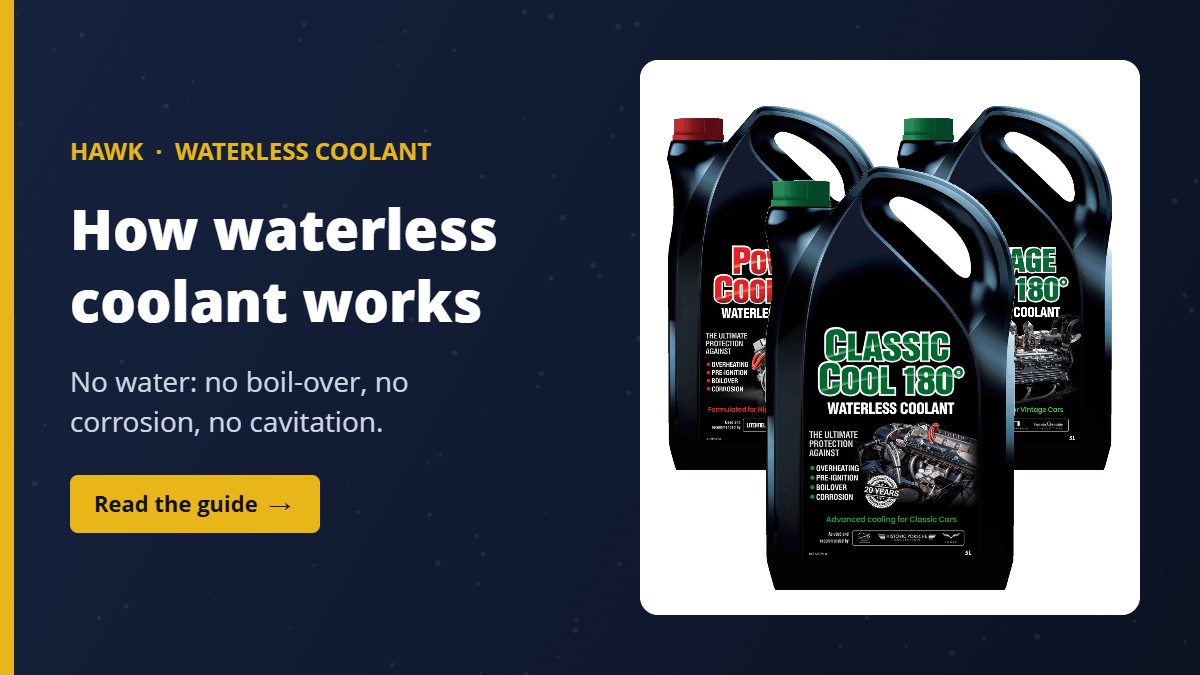
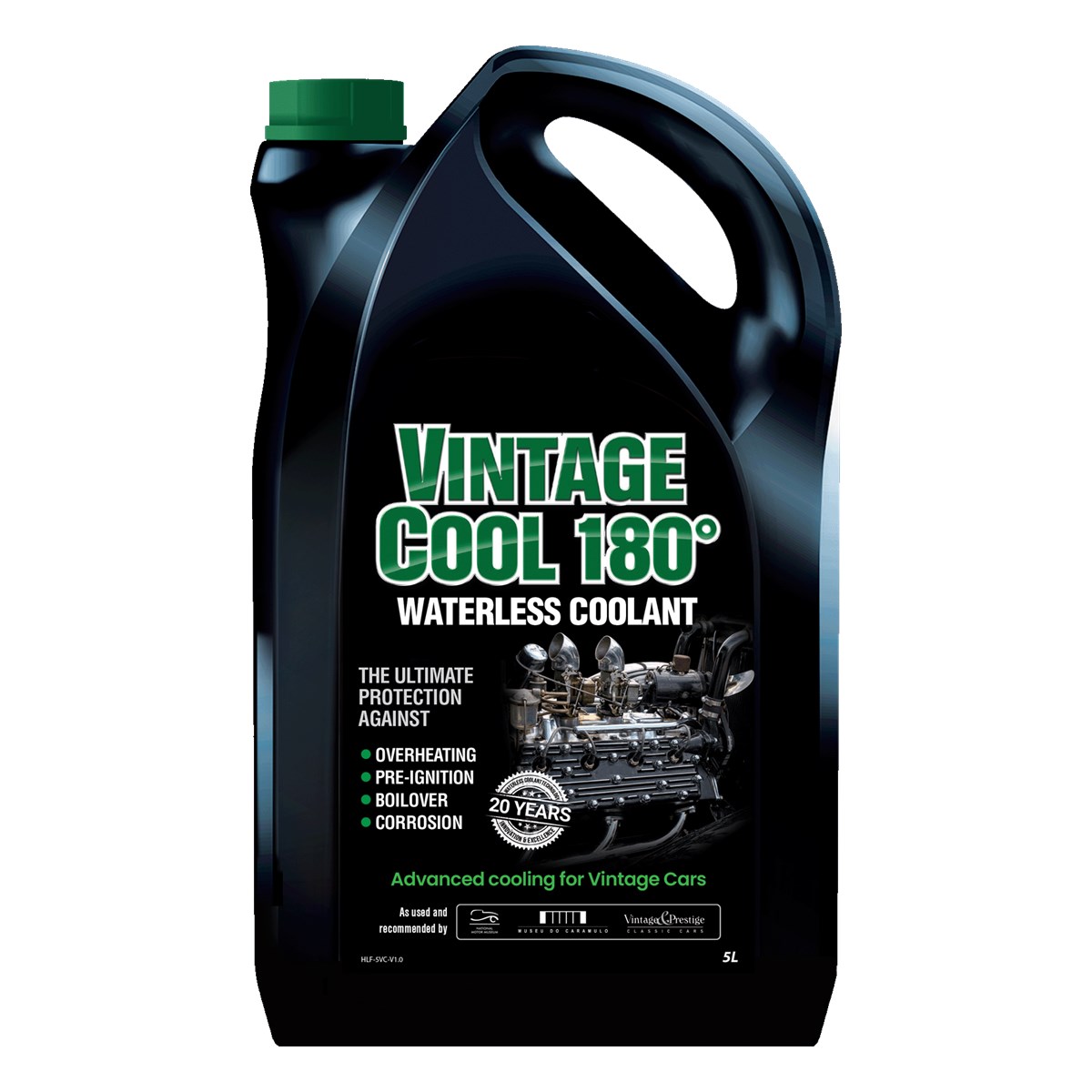
The short version: ordinary coolant is mostly water, and water is the weak link in your cooling system. It boils, it corrodes metal, and it eats away at pumps and cylinder liners. Hawk Waterless Coolant (formerly Evans) replaces the water entirely with a fluid that boils above 180°C, so the problems water causes simply do not happen. Here is how it works.
Why water is the problem
Water is actually very good at carrying heat — while it stays a liquid. The trouble starts when it boils. A conventional 50/50 mix of water and antifreeze boils at around 108–110°C under pressure. Push an engine hard on a hot day, or let corrosion build up over the years, and pockets of that water flash to steam.
Steam is the enemy. It cannot carry heat away from the metal the way liquid can, so wherever a steam pocket forms you get a hot spot. One pocket quickly leads to another, and before long you have boil-over, pinking, or in the worst case a warped head or cracked block. On a classic engine this is a familiar sight on a warm day in traffic.
The physical limit: boiling and hot spots
Three things commonly tip an older engine over the edge:
- Restricted coolant flow — internal corrosion narrows the passages and tires the water pump, so less coolant moves through.
- Restricted heat transfer — a layer of rust or scale on the cooling channels acts like a blanket, trapping heat in the metal.
- Restricted air flow — a radiator blocked with debris, damaged fins or a slipping fan belt cannot shed the heat it collects.
Add a hot day, a heavy load or a hill climb on top of any of these and the coolant boils. A fluid that stays liquid to well above 180°C removes that risk, because it never reaches its boiling point in normal use.
The chemical limit: corrosion
Water does its second kind of damage slowly. It carries dissolved oxygen and acts as an electrolyte, which means it drives corrosion, oxidation and galvanic action — the slow electrical eating-away that happens when different metals sit in the same wet system. Aluminium heads, iron blocks, brass radiators and steel core plugs all pay the price.
Antifreeze contains inhibitors that try to hold this back, but they get used up, drop out of solution and leave sludge behind. That corrosion and scale is exactly what restricts flow and heat transfer in the first place — so water causes both problems at once. Take the water out and there is nothing to drive the corrosion. No oxygen, no electrolyte, no rust.
Cavitation: the damage you never see
There is a third, quieter problem. As coolant is forced through tight passages and past the water pump it speeds up, and where it speeds up the pressure drops. If the pressure drops far enough, tiny vapour bubbles form in the water and then collapse violently against the metal. Each collapse is a microscopic hammer blow. Over time this pits and erodes water pumps and cylinder liners — on wet-liner engines it can eat right through.
Waterless coolant has a very low vapour pressure and does not flash to vapour like water does, so cavitation is largely designed out.
A quieter, lower-pressure system
One bonus that surprises people: because the coolant is not trying to boil, the whole system runs at much lower pressure. That means less strain on hoses, the water pump and an old radiator, far less chance of blowing a hose or a core plug, and no scalding blast of steam if you take the cap off warm. For a cherished classic, that gentler life is worth a lot on its own.
So what does removing the water actually give you?
- No boil-over — boiling point above 180°C
- No internal corrosion — nothing to drive it
- No cavitation pitting of pumps and liners
- Much lower system pressure and less strain on old components
- A coolant that never needs changing for the life of the engine
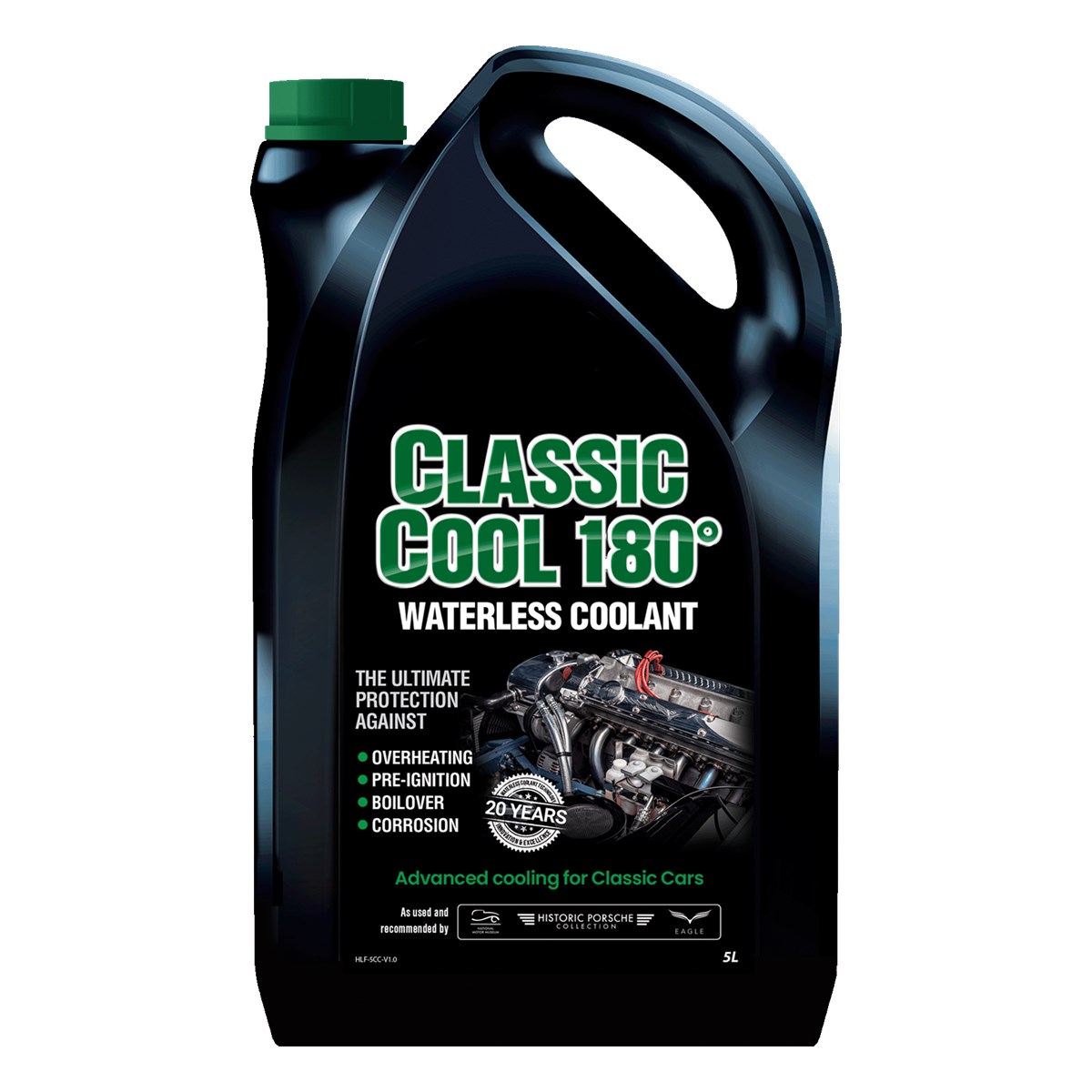
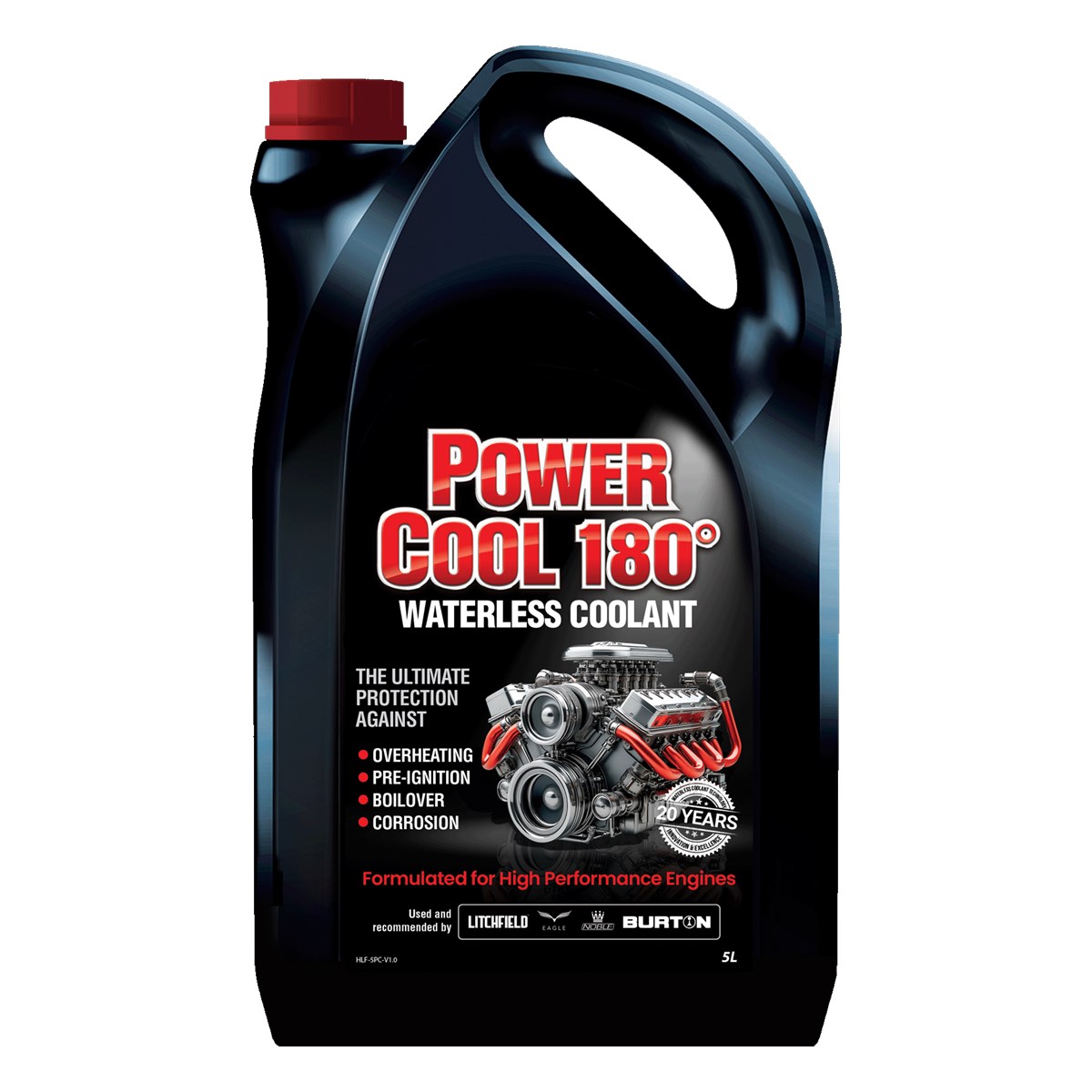
It is the same fluid that classic, performance and race engines have relied on for over twenty years — sold under the Evans name until 2026, now Hawk. Same formulation, same results, new label.
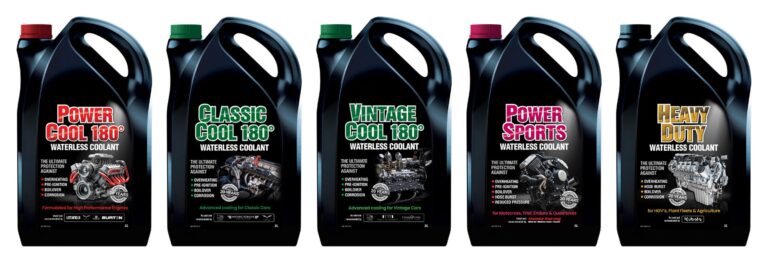
Everything in the Hawk range is held in Irish stock here at Liquid Technology in Co. Wexford — no customs, no delays. See the full Hawk range, or ring us on 089 448 6626 if you are not sure which one you need.
Next: how to convert your engine to waterless coolant, step by step.
Frequently asked questions
How does waterless coolant work?
It replaces the water in your cooling system with a fluid that boils above 180°C. With no water there is no boiling, no internal corrosion and no cavitation damage to pumps and liners.
What is the boiling point of waterless coolant?
Above 180°C, compared with around 108–110°C for a conventional 50/50 water and antifreeze mix under pressure.
Does waterless coolant need changing?
No. It is a fill-for-life fluid. The system stays sealed and never boils off, so it does not degrade like water-based coolant. Just top up if the level drops.
Is waterless coolant good for classic cars?
Yes. It stops the boil-over and internal corrosion classic engines suffer from, and the much lower system pressure is kinder to old hoses, core plugs and radiators.