Cavity Wax Injection: How to Rustproof Sills, Chassis Rails and Box Sections
Most cars don’t rust from the outside in. They rust from the inside out, in sills, chassis rails, crossmembers and door bottoms where water and road salt collect and you can’t see them. By the time a bubble appears in the paint, the metal behind it is often already gone. Injecting cavity wax into these hidden sections is one of the most effective things you can do to make a car, van or classic last. This guide explains which wax and equipment to use, and how to inject it properly.
Why cavities rust first
Box sections trap moisture and dirt, and the seams inside them are starved of oxygen. According to Rustbuster, rust inside a crevice or seam like this can form up to 400 times faster than on an open surface. A good cavity wax creeps into those seams, drives out moisture and seals the steel.
The cavities to treat are the sills, chassis rails, crossmembers, subframes, door bottoms and tops (including the lock mechanisms), pillars, bulkhead corners, and the bonnet and boot or tailgate seams.
Step 1: choose your cavity wax
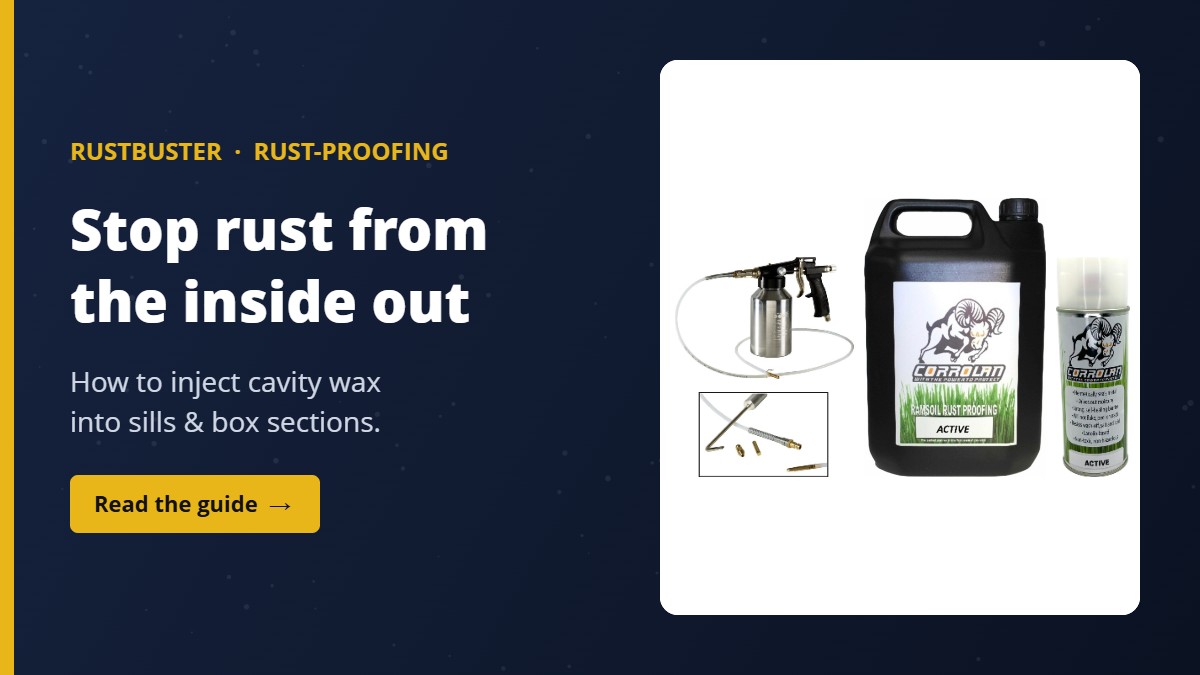
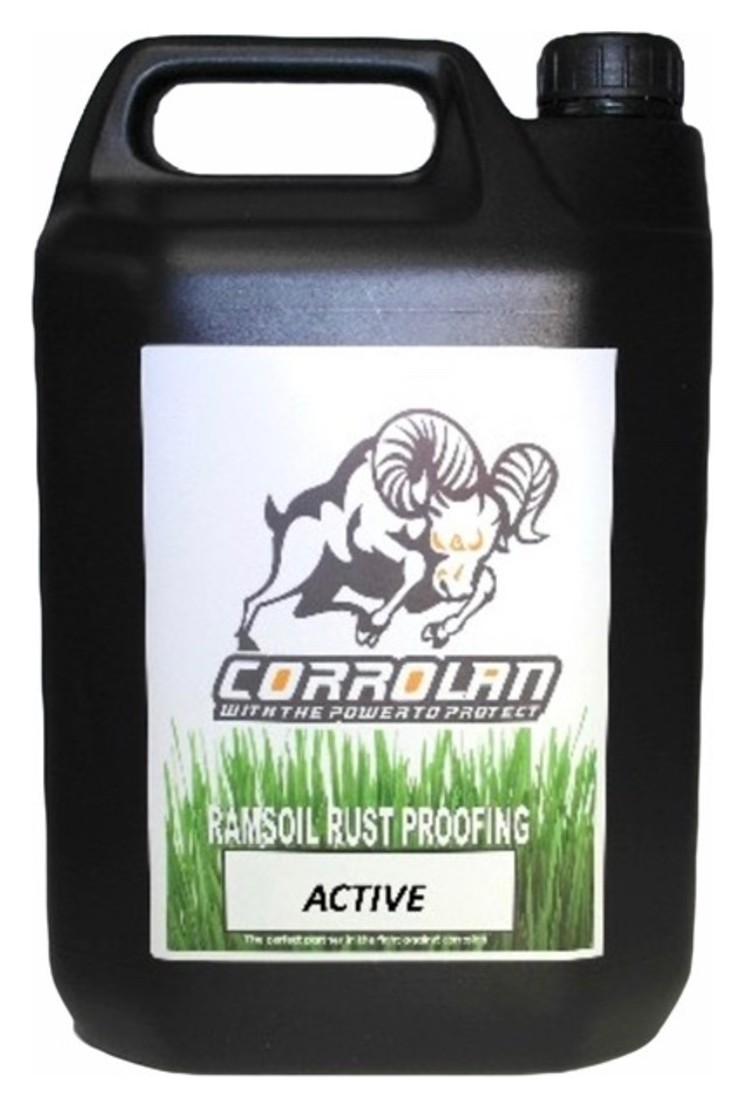
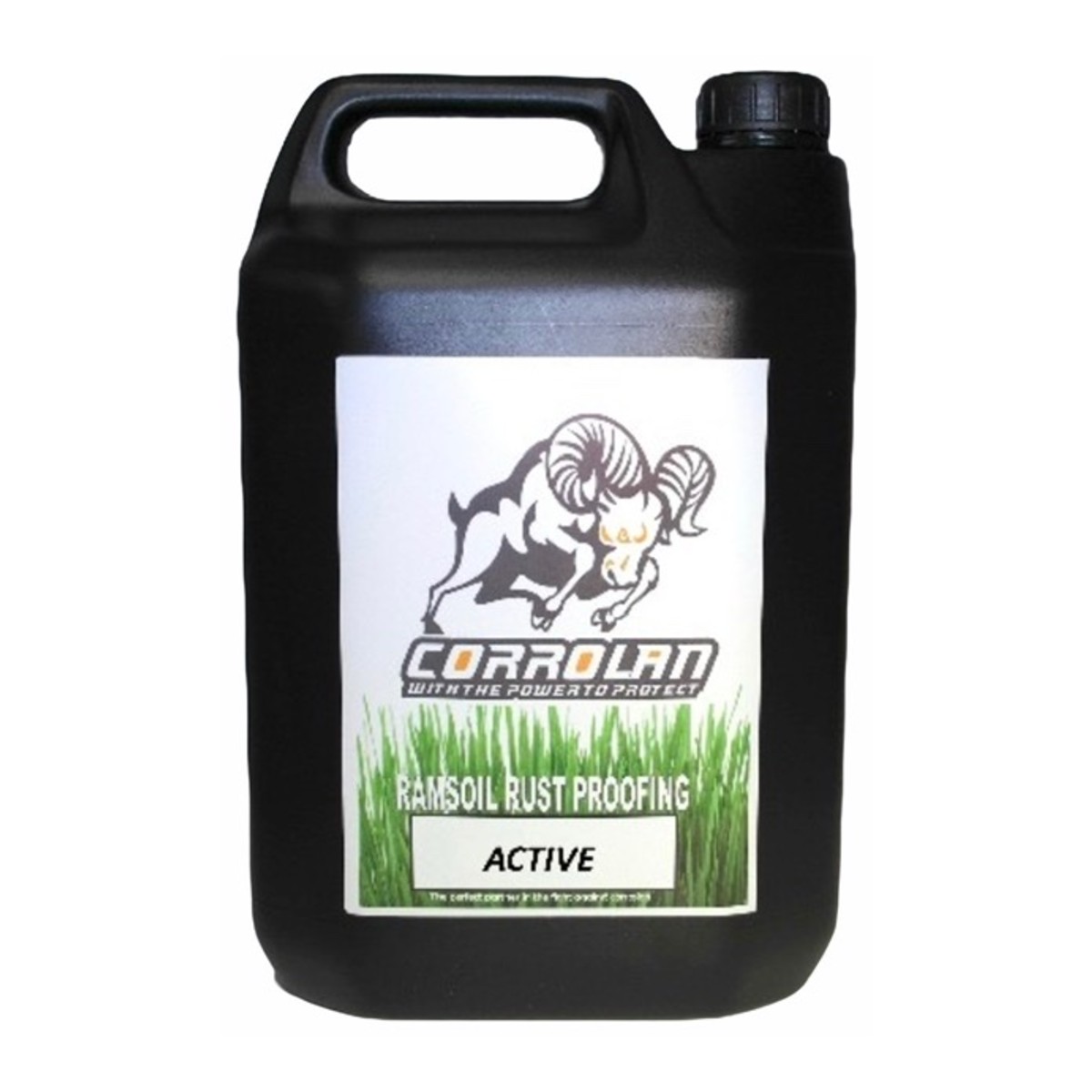
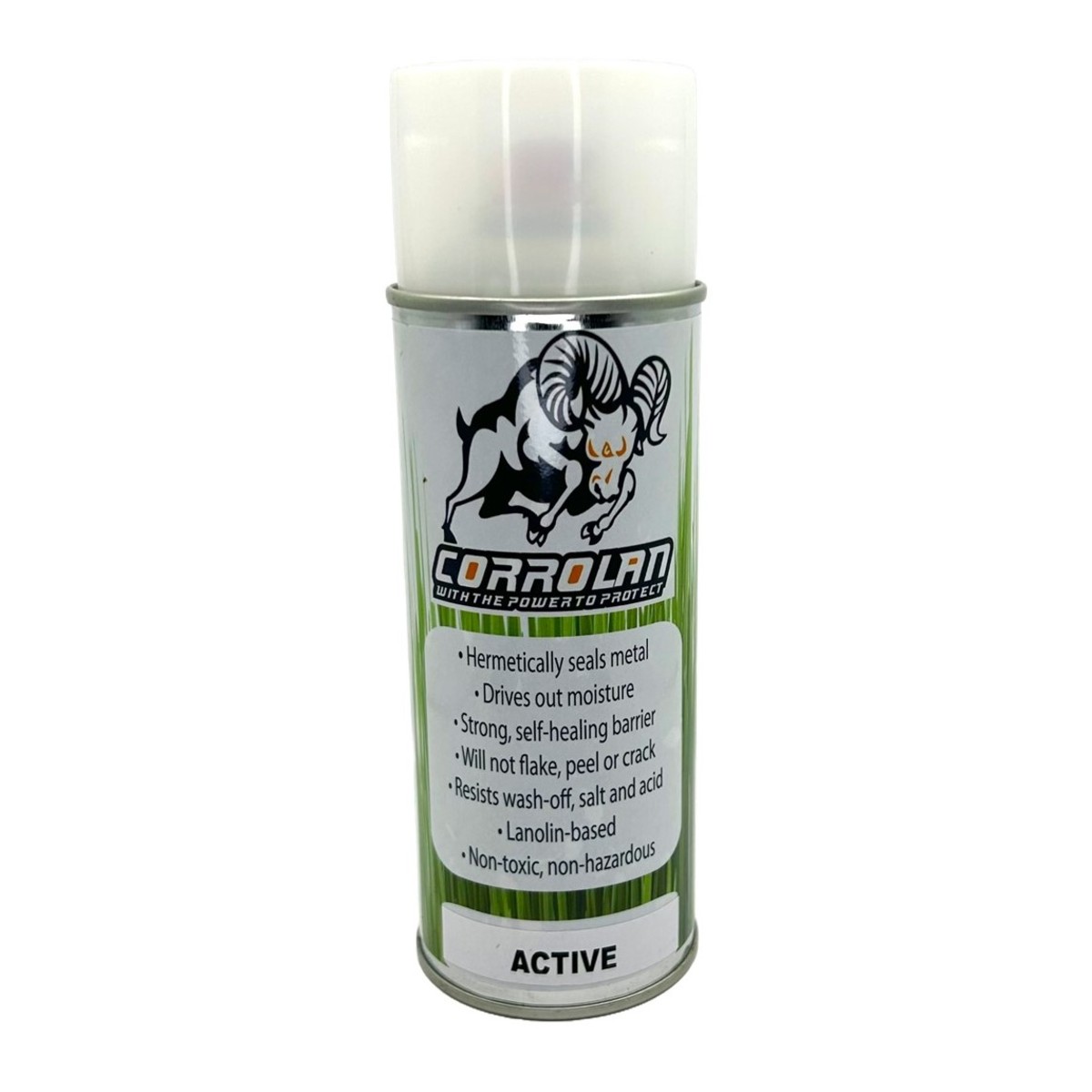
- Corrolan Active: Rustbuster’s lanolin cavity wax. It never fully dries, so it flexes with the car, keeps driving out moisture and self-heals if it’s disturbed. It can be applied to steel at temperatures as low as −5°C. Available in a 5 litre jerry can for injection guns, or as a 400ml aerosol.
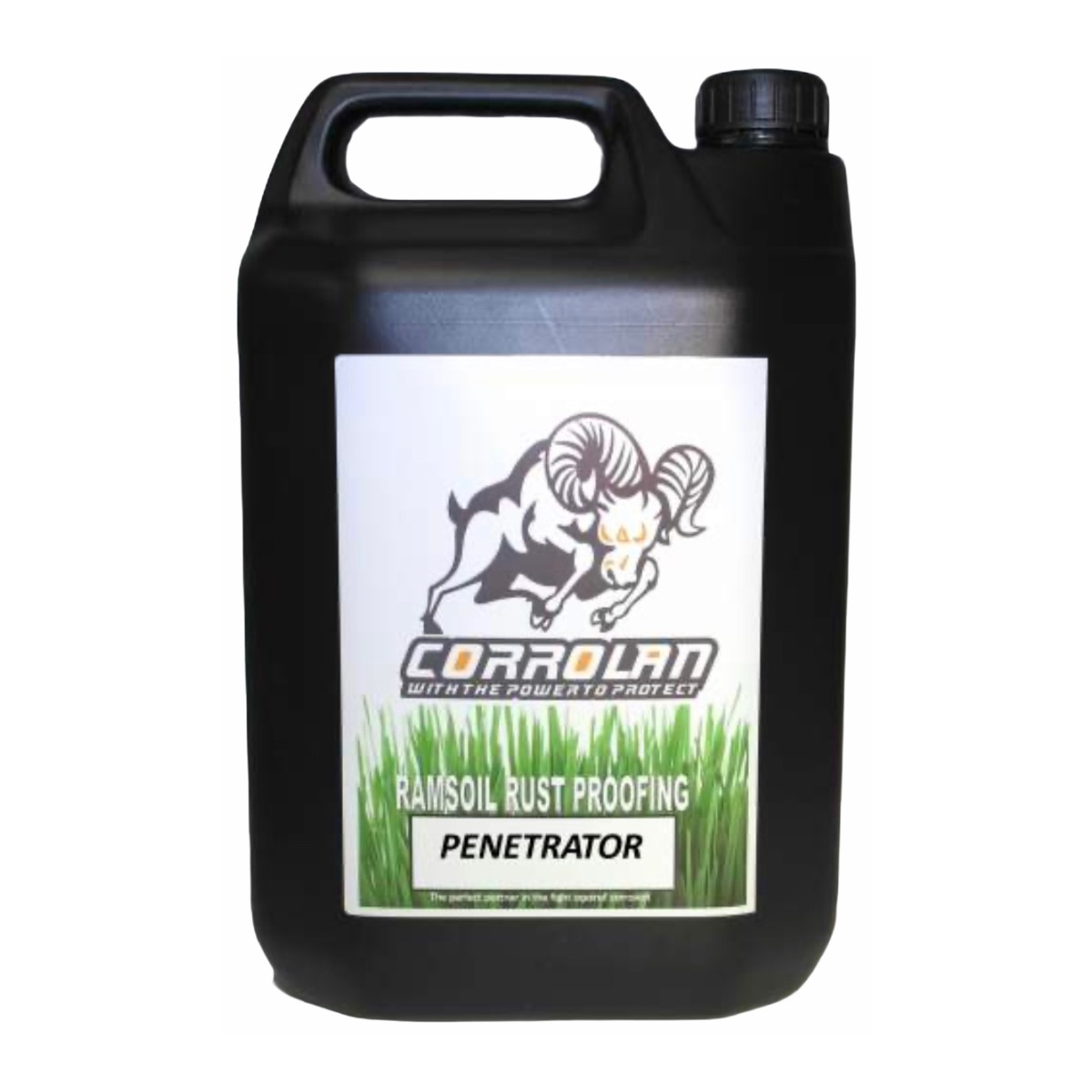
- Corrolan Penetrator: a thin primer wax that creeps deep into fine seams and crevices before the Active goes on. It comes in 2 and 5 litre containers.
- Techshield Cavity Wax: a penetrating cavity wax in a 500ml aerosol with an adapter, which is handy for doors and smaller sections.
Find out more in our lanolin rust proofing guide and Techshield guide.
Step 2: choose your equipment
| Equipment | Best for | Key details |
|---|---|---|
| Aerosol with extension | Doors, small sections and touch-ups | No compressor needed. Corrolan Active 400ml or Techshield Cavity Wax 500ml |
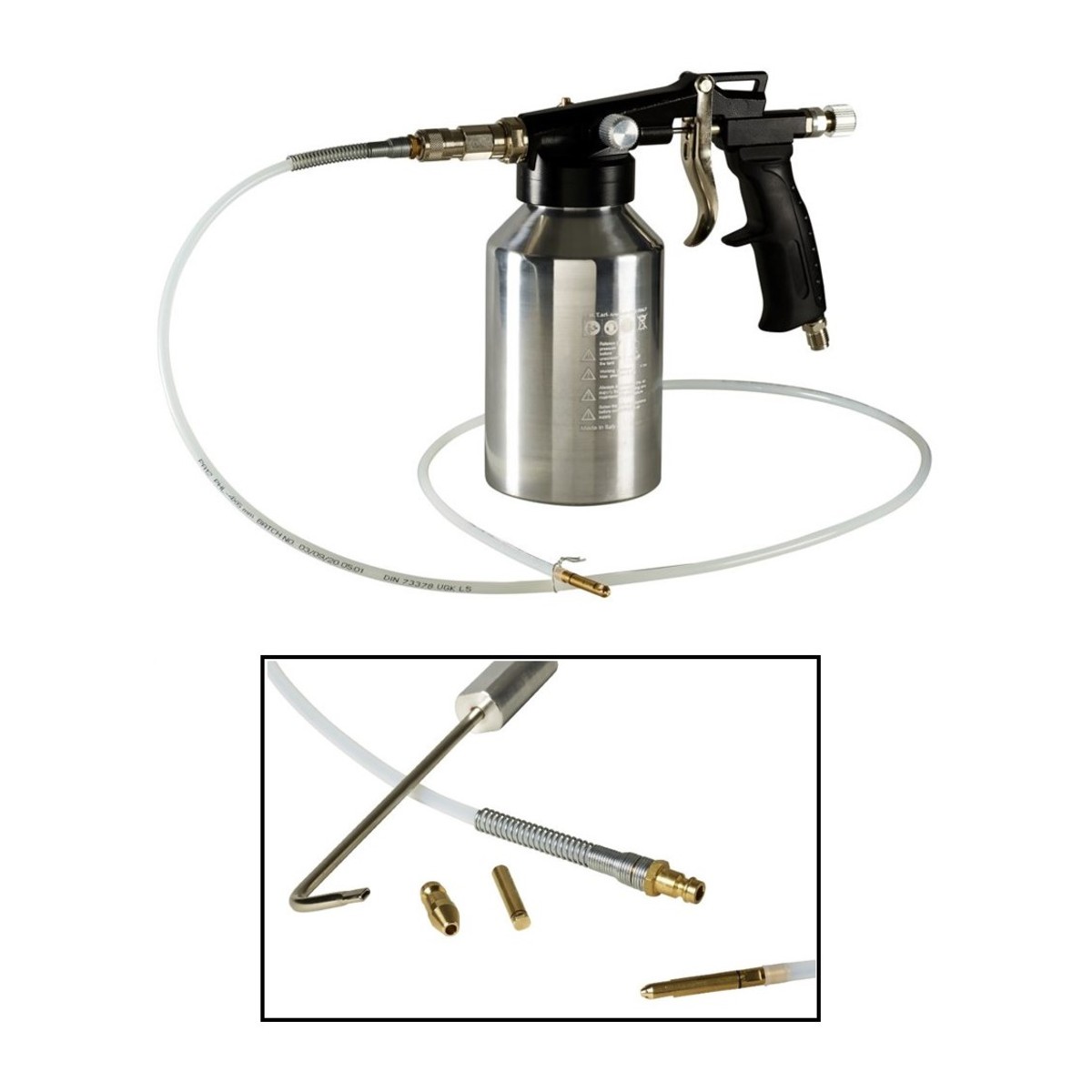
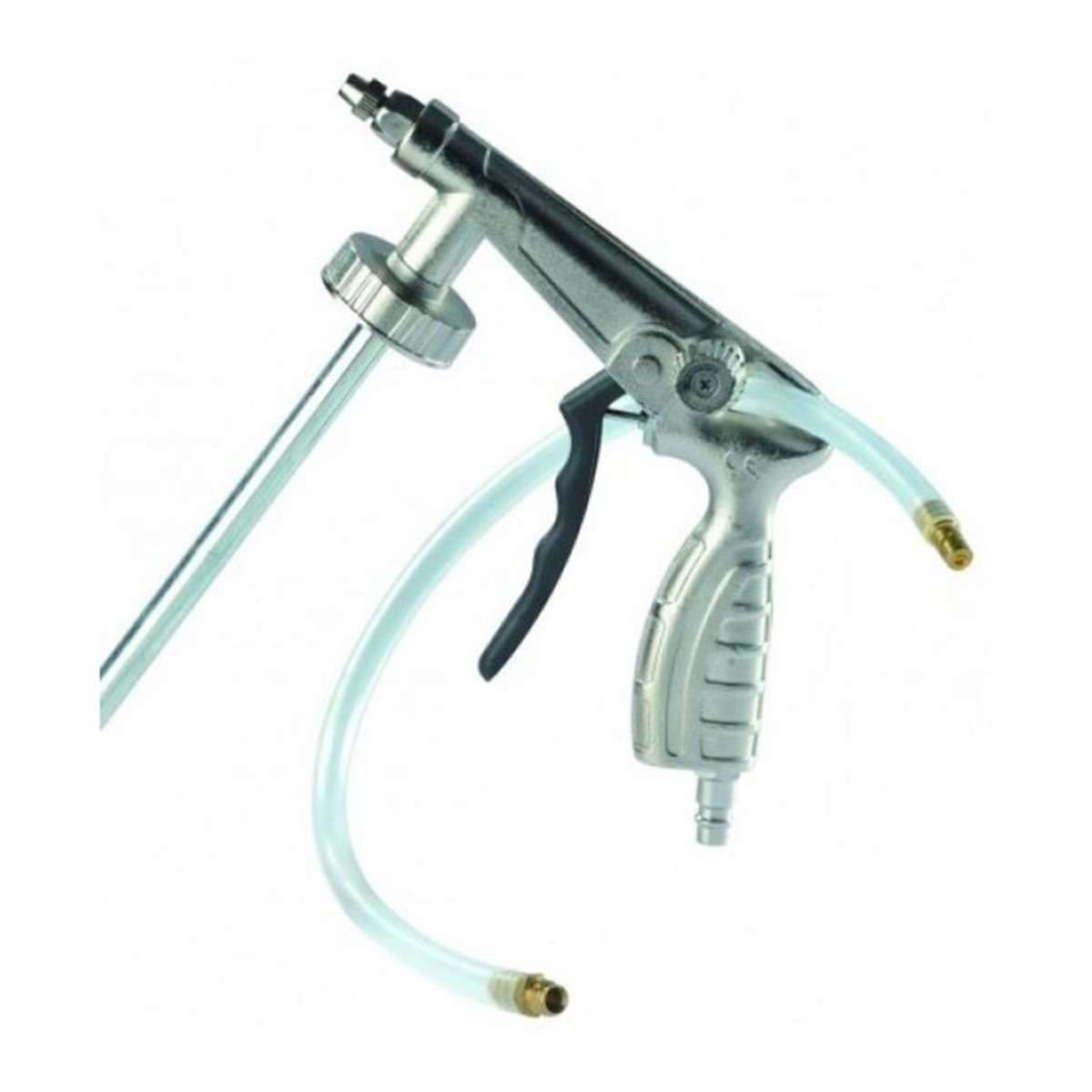
| Undercoating Schutz gun | DIY underbody and cavity work | Screws onto a 1 litre can. Supplied with an underbody tip and an injection wand; 3–8 bar. Fill an empty 1L Schutz can from a 5L jerry can. |
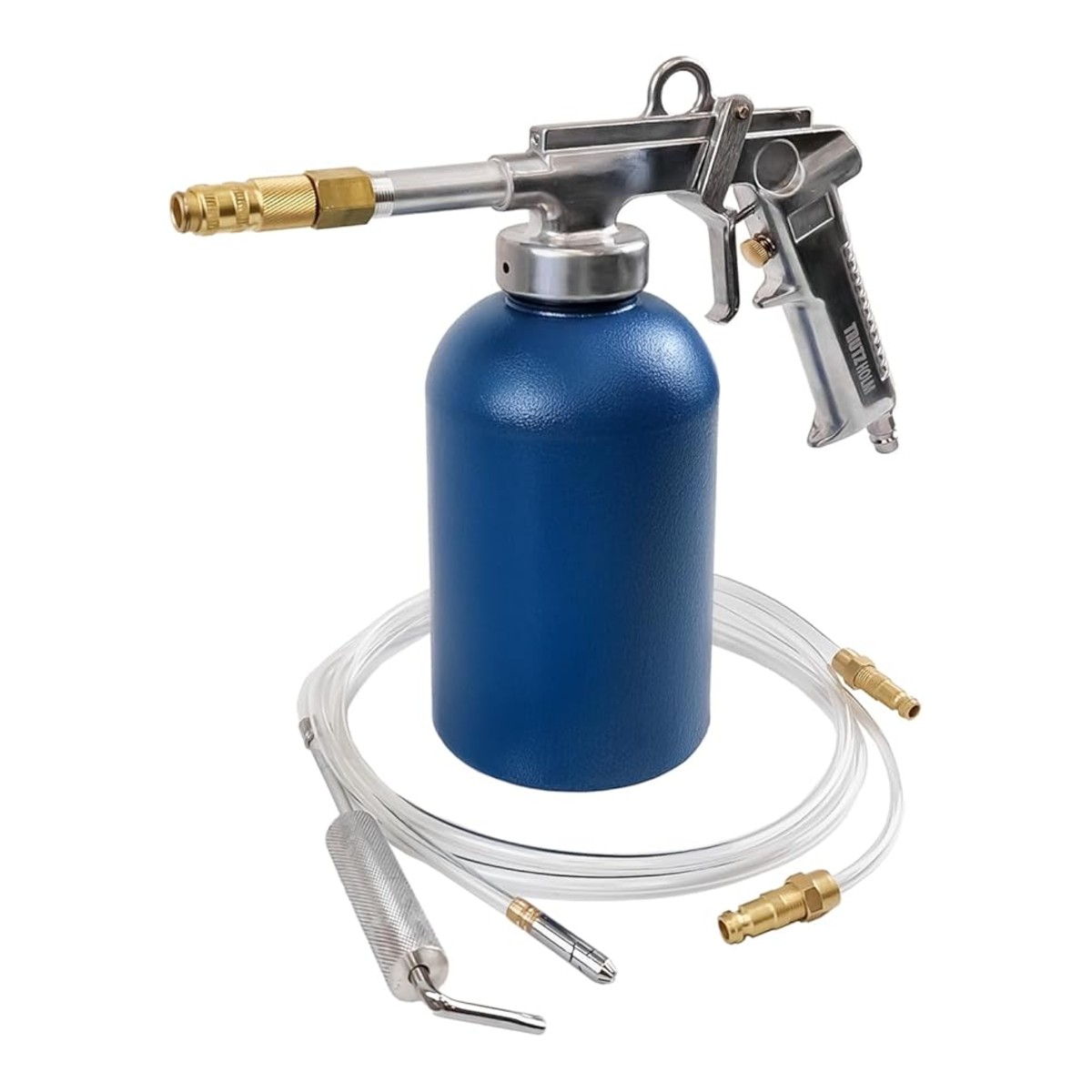
| Wax injection gun, 1100ml tank | Whole-car jobs with bulk wax | Cast aluminium pressure-cup gun with a refillable 1100ml steel tank and stepless pressure regulator, working at 4–6 bar. Round and hook nozzles with hoses. |
| Rustbuster ELITE injection kit | Restorers and professionals | Separate air and fluid controls; 1 litre tank with pressure-release valve; works at 4–6 bar (60–90 psi). Includes standard, straight and 360° nozzles, a 1500mm extension hose and a 90° spray wand. |
Air-powered guns atomise the wax far better than an aerosol or hand pump, which gives more even coverage inside the cavity. Rustbuster recommend a compressor that delivers about 6–8 cfm at 60–90 psi. We’re adding more application guns to our range later this year, so if you need something specific, just ask.
How to inject cavity wax
Clean and dry the car
Pressure-wash the underside and flush out as much dirt as you can. Use Chlor-X to remove road salt and Safer Degreaser on greasy areas, then let everything dry thoroughly. Wax won’t stick to damp, dirty metal.
Mask off
Cover the brakes, exhaust, heat shields and at least the first few inches of paintwork above the areas you’re treating.
Warm the wax
Stand the container in hot water until the wax reaches at least 40°C. Warm wax flows and atomises easily, then thickens again as it cools, without any thinner. If you do need to thin it, use Corrolan Turbo sparingly.
Find your access points
Use existing holes, grommets and drain holes. Where there’s no way in, drill a 10mm hole and fit a plug afterwards. It’s worth marking every point on a sketch of the car before you start, so none are missed.
Prime the seams (optional)
For the best protection, spray Corrolan Penetrator into the cavities first so it creeps into the finest seams, then follow with Corrolan Active.
Push in, then spray as you pull out
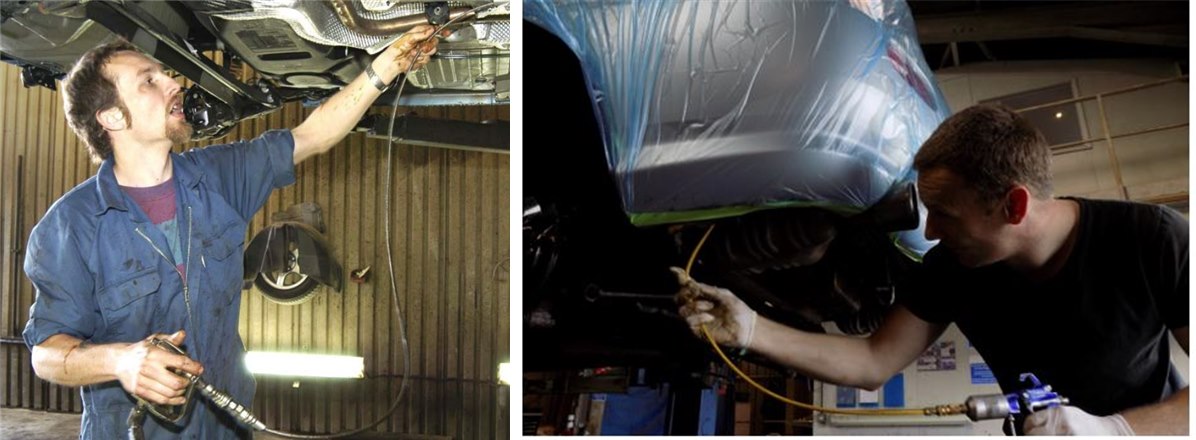
Push the 360° wand as far into the cavity as it will go. Start spraying, then slowly withdraw the wand while you keep spraying, so the whole length gets an even coat. When wax is visibly coming out of the tip as it leaves the hole, that section is done.
Clear drains, clean up and check
Make sure the drain holes are open so water can still escape. Plug any holes you drilled, remove the masking and clean off overspray with Corrolan Turbo. Check the cavities every year and top them up where needed.
How much wax will I need?
As a guide from Rustbuster, a small classic such as an MGB takes about 2–3 litres of cavity wax, and a Land Rover 110 about 4–5 litres. For a full car, a 5 litre jerry can of Corrolan Active with an injection gun is far better value than aerosols. For the underside itself, follow up with Corrolan Pure underbody wax. Our 10 steps to complete rust protection guide covers the whole job.
Mistakes to avoid
- Spraying only near the hole. Push the wand all the way in and coat the full length as you withdraw it.
- Using cold wax. Cold wax doesn’t atomise or creep. Warm it to at least 40°C first.
- Thinning it heavily. More thinner means less protective wax left on the metal.
- Waxing wet, salty cavities. Clean, rinse and dry first, or you seal the salt in.
- Blocking the drain holes. Cavities must still be able to drain.
- Relying on a hand pump. Finger-operated pumps don’t atomise the wax well enough for full coverage.
Restoring a chassis? See our chassis restoration guide, including waxing the inside of the rails.
Cavity wax injection FAQs
What is the best way to apply cavity wax?
An air-powered injection gun with a 360° wand gives the best coverage because it atomises the wax and sprays it in every direction inside the cavity. Warm the wax to at least 40°C, push the wand fully in, then spray as you slowly withdraw it. Aerosols with an extension tube are fine for doors and smaller sections.
What size compressor do I need for cavity wax injection?
Rustbuster recommend a compressor that delivers about 6–8 cfm at 60–90 psi. The ELITE kit and the 1100ml injection gun both work at 4–6 bar (about 60–90 psi).
How much cavity wax does a car need?
As a guide, a small classic such as an MGB takes around 2–3 litres, and a larger vehicle such as a Land Rover 110 around 4–5 litres. A 5 litre can of Corrolan Active covers most cars.
Should I drill holes to inject cavity wax?
Use existing holes, grommets and drain holes first. If there’s no way into a section you need to protect, drill a 10mm hole, inject the wax, then seal the hole with a plug.
Should I thin cavity wax?
Warm it instead. Heating the wax to at least 40°C makes it flow without reducing the protection. Thinning reduces the film left on the metal (roughly 30% thinner means 30% less protection), so if you must thin Corrolan, use a little Corrolan Turbo.
How often should cavities be re-waxed?
Check them every year, especially after winter, and top up any areas that look dry or have been disturbed. Lanolin waxes like Corrolan Active stay soft and self-heal, but an annual inspection keeps the protection complete.
More rust guides: rust-proof your car before winter, lanolin rust proofing, Waxoyl alternatives and Techshield underseal and cavity wax.