Health & Safety and Product Data Sheets
Rust removers, acids, epoxies, solvents and paints are all easy to use safely — as long as you respect the products and protect yourself. This page covers the safety data we can supply, and the sensible precautions worth taking in any home or trade workshop.
Safety data sheets (SDS)
For industrial and trade users, we can supply SDS safety data sheets for every product by email or as a downloadable PDF and Word document. SDS are updated regularly as regulations change, so contact us any time for the latest copy to aid your workplace risk assessment.
For home & DIY users
We’re not able to offer individual risk assessments for home engineers — every workshop and every job is different. Please read the health and safety information on the back of every tin and bottle, and download the data sheet before you begin. If you’re ever in any doubt, take the maximum precautions: it’s always safer to assume the worst than to take none at all. Using the right protective equipment and understanding the risks involved is the user’s responsibility.
Your workshop safety checklist
We recommend the following whenever you’re handling paints or chemicals identified as hazardous.
Before you start
- Read all instructions and the data sheet before opening the tin
- Only work in a well-ventilated area — open a window or door
Wear the right PPE
- Safety glasses (put them on before opening tins)
- Suitable gloves for the job in hand
- Barrier cream on exposed skin
- A plastic apron for hazardous chemicals
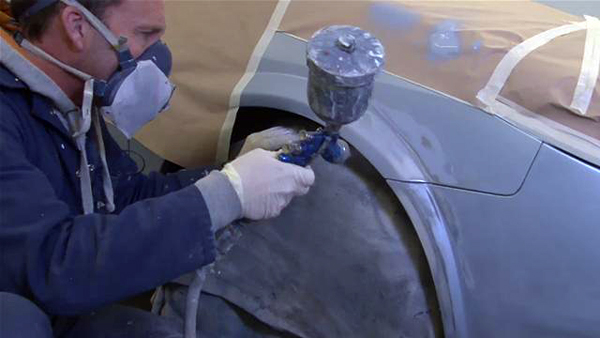
- An A2/P2 respirator mask for fumes
- A dust mask when power-tool cleaning
- Non-slip footwear with toe protection
- Clean or disposable overalls
If you ever feel drowsy, stop, leave the area and improve the ventilation before carrying on.
Keep it clean and dispose safely
- Replace container lids as soon as you’ve poured
- Remove empty tins and waste every day
- Bin used rags and blue paper daily
- Never keep oily rags in your pockets
- Keep the work area clean and tidy
- Dispose of everything responsibly
Picture the worst case before you start.
Health & safety FAQs
Can I get a safety data sheet (SDS) for a product?
Yes. We supply SDS for all of our products, free of charge, by email or as a downloadable PDF or Word document. They are updated regularly in line with the latest regulations — just contact us for a current copy to support your workplace assessment.
Do you provide risk assessments?
We can’t provide individual risk assessments for home users, because every workshop and situation is different. We supply the SDS to support your own assessment, and we always recommend reading the safety information printed on the product label before you start.
What PPE do I need for rust removers, acids and paints?
As a minimum: safety glasses, suitable gloves and good ventilation. For acids and two-pack products add a plastic apron and an A2/P2 respirator, and wear a dust mask when power-tool cleaning. Always check the product label and data sheet for anything specific.
How should I dispose of chemicals and rags?
Replace lids straight away, remove empty tins and waste from the work area daily, and dispose of them responsibly. Bin used rags and blue paper every day, and never keep oily rags in your pockets — they’re a genuine fire risk.
Our how-to guides flag the specific precautions for each product — see the safety notes in our surface preparation, Phos-Kleen B and Custom 421 guides.