Waxoyl Alternatives: A Modern Guide to Underbody Rustproofing
The short version: Waxoyl is the underbody wax most people have heard of, and for good reason — it has been protecting cars for decades. But underbody rustproofing has moved on. If you are searching for Waxoyl because you want to protect a car, it is worth knowing what the modern lanolin-based and heavy-duty waxes do differently before you decide. Here is an honest look, from people who do underbody restoration for a living.
First, credit where it is due
Waxoyl is a wax-and-oil coating that has been around since the 1950s, and it made underbody protection something an ordinary owner could do at home. It is widely available, easy to find, and generations of classics have survived on it. If it is what you know and it has worked for you, there is nothing wrong with it.
What has changed is the chemistry. The waxes we and most professional restorers reach for today are built on different technology, and for a car you actually care about, the differences matter.
Where modern waxes have moved on
They stay flexible instead of hardening
The main limitation of older-style wax coatings is that, over the years, the lighter oils in them evaporate and the film can harden and crack. Once it cracks, moisture gets underneath — and a cracked coating can trap water against the metal rather than keep it out. Modern lanolin-based waxes stay soft and flexible for the long term, so they flex with the car instead of cracking.
They are “self-healing”
Because a lanolin wax stays soft, a minor scuff or stone-strike tends to flow back over itself rather than leaving a bare gap. A hard coating does not do that — damage stays as a weak point.
They creep into the seams
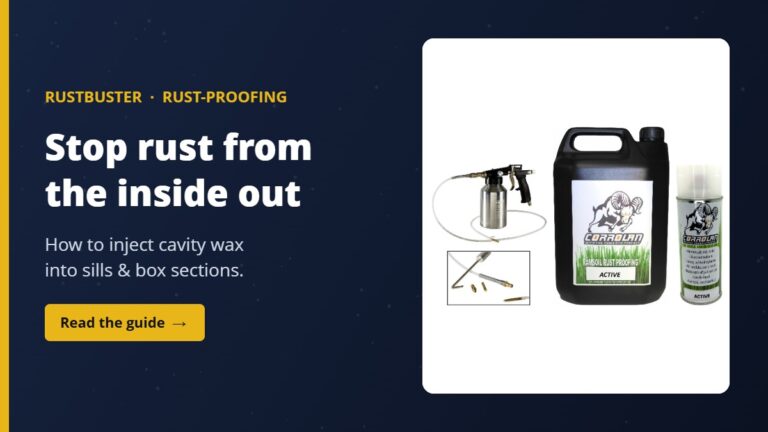
Rust almost always starts in the box sections, seams and folds you cannot see or reach with a brush. A good cavity wax is thin enough to creep into those gaps by capillary action and displace the moisture already sitting there. That is where the real protection happens on a classic.
Lanolin is non-toxic
Lanolin is refined from wool grease. It is kinder to handle and to the environment than solvent-heavy coatings, which matters if you are doing this in a home garage.
Underbody protection, explained
“Underbody wax” is really three different jobs. Knowing which you need is half the battle:
- Cavity wax — thin, creeps into box sections, sills and seams to protect from the inside out. This is the one that stops rust before it starts.
- Underbody wax — thicker, for the exposed underside: floors, chassis rails, wheel arches.
- Schutz & stonechip — tough, textured outer coatings that take the abrasion from grit and stones on high-impact areas.
A proper job usually uses more than one: cavity wax inside the box sections, a flexible wax over the underside, and a tough stonechip or schutz where the road throws grit at it.
What we would actually use
Which one looks like Waxoyl?
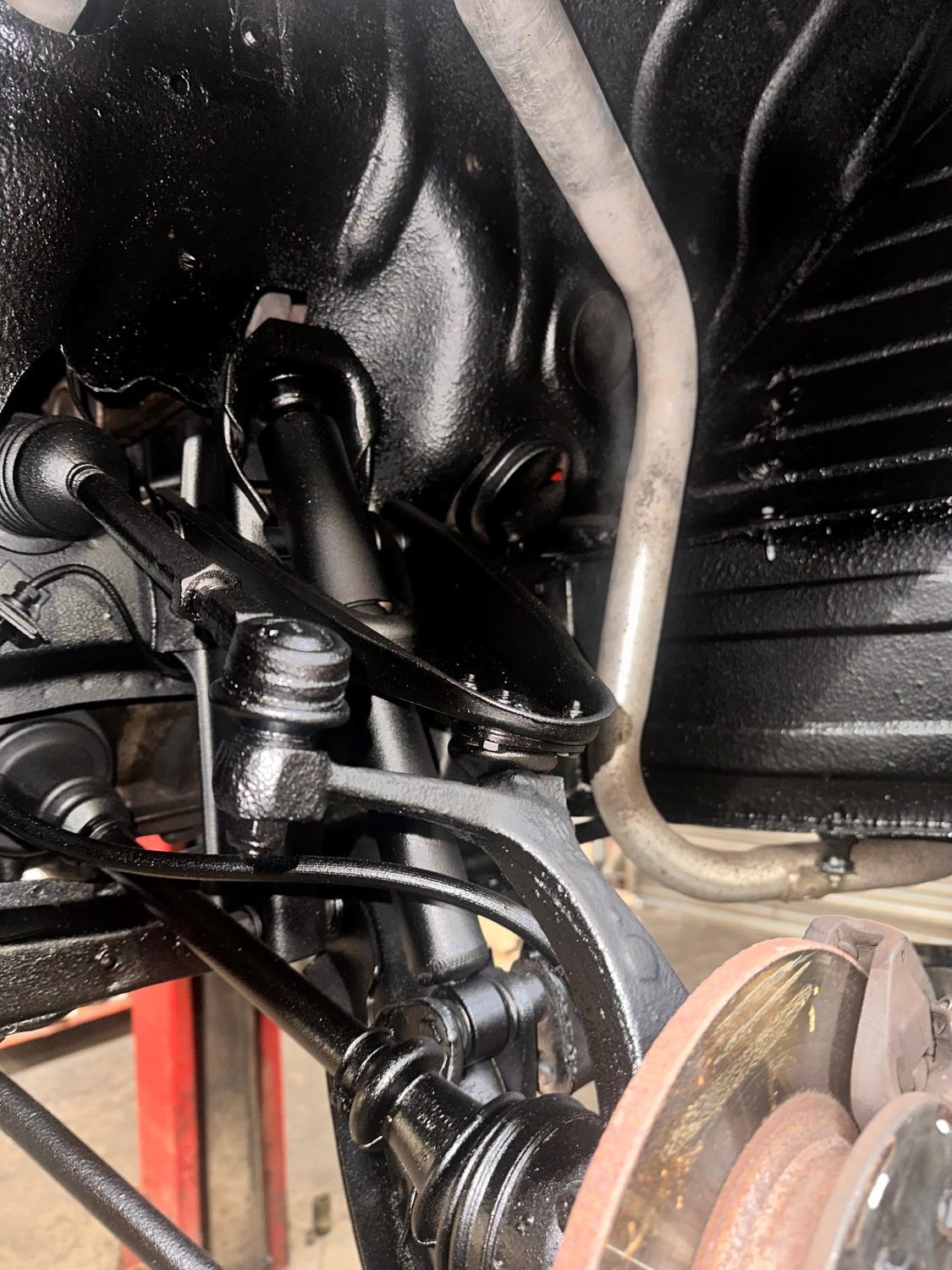
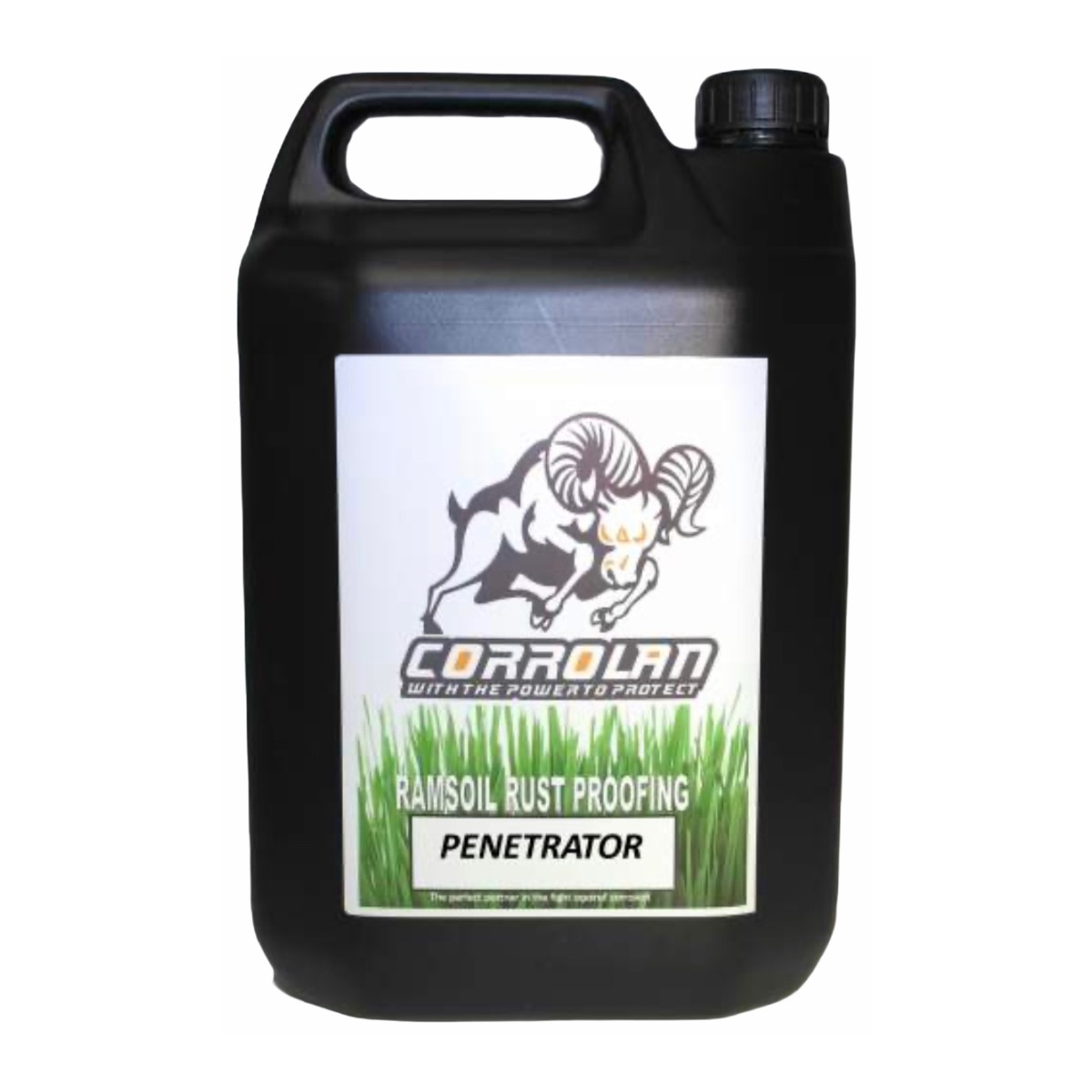
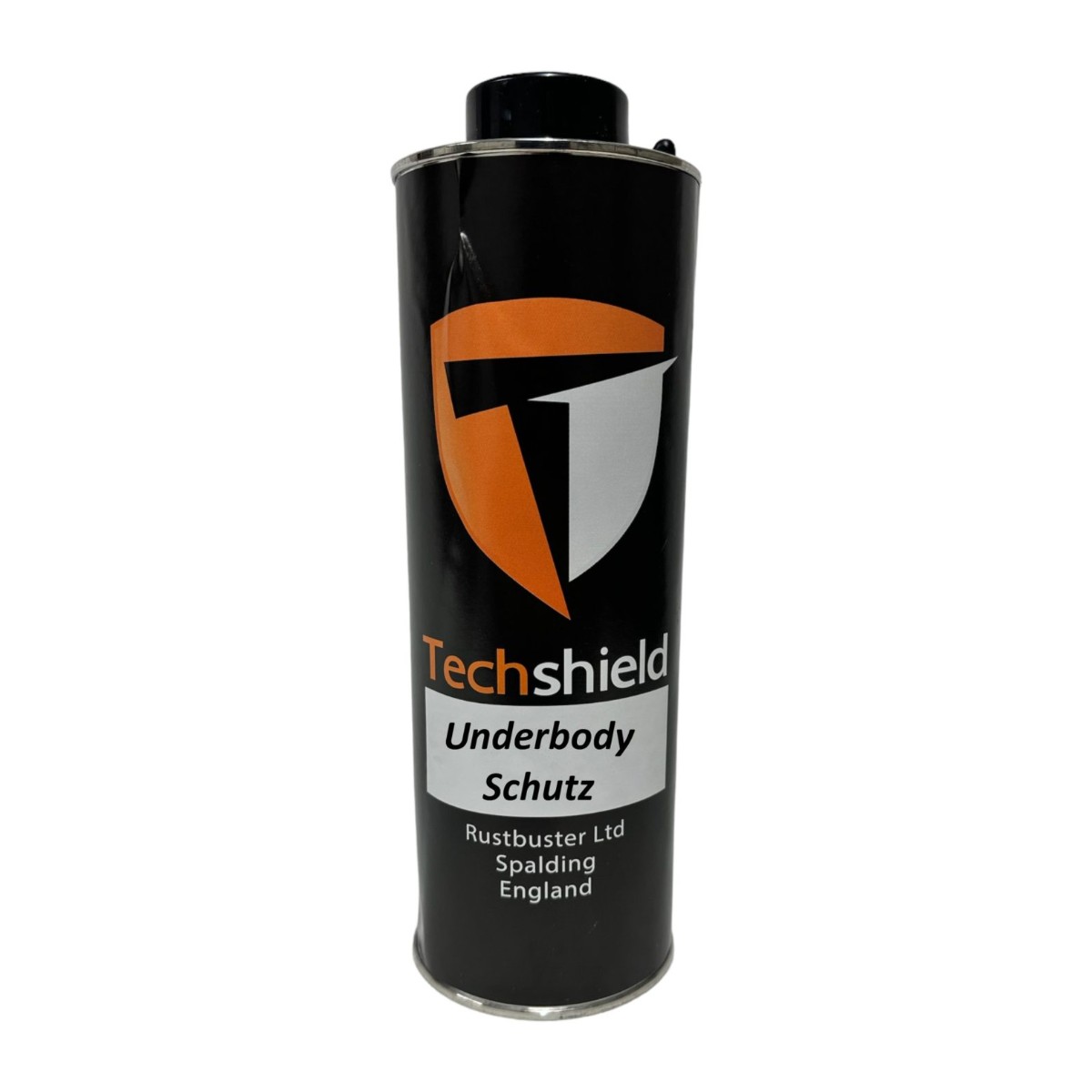
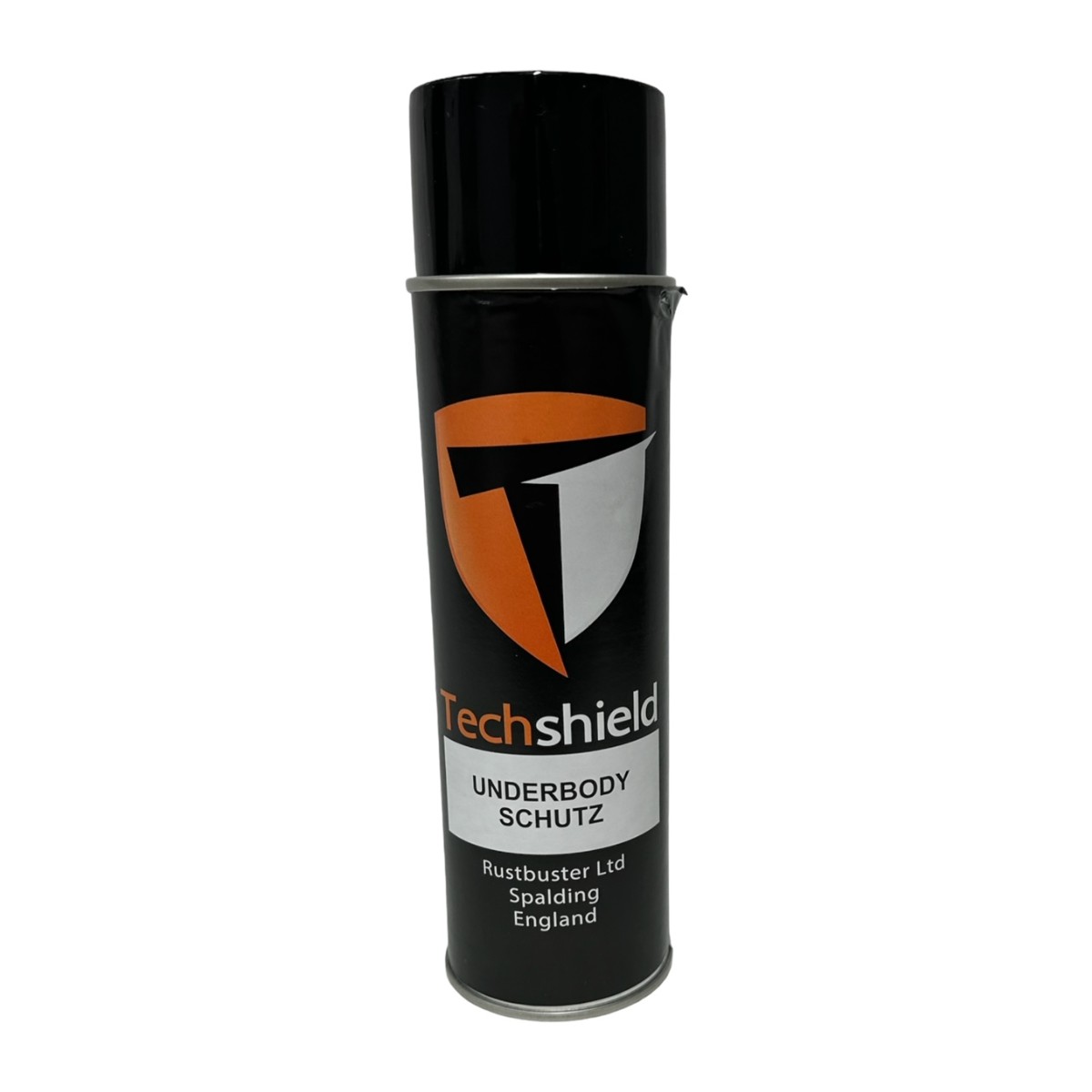
Worth knowing before you choose, because it catches people out: the two ranges are different colours. Waxoyl dries to a black finish. If you want a black finish underneath, Techshield Underbody Schutz gives a tough black coating. Be aware it’s a bitumen underseal rather than a wax: it’s harder-wearing against stones and grit, but it won’t creep into seams like a wax and can only be over-coated with bitumen products. Corrolan is a natural dark honey / amber colour — that is the lanolin showing through — so it protects every bit as well but will look different from the black you may be used to. Neither is better; it comes down to the finish you want.
For a classic or cherished car: Corrolan
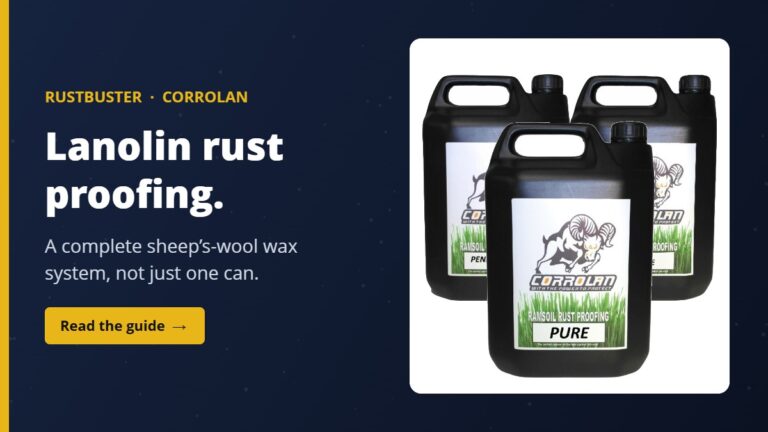
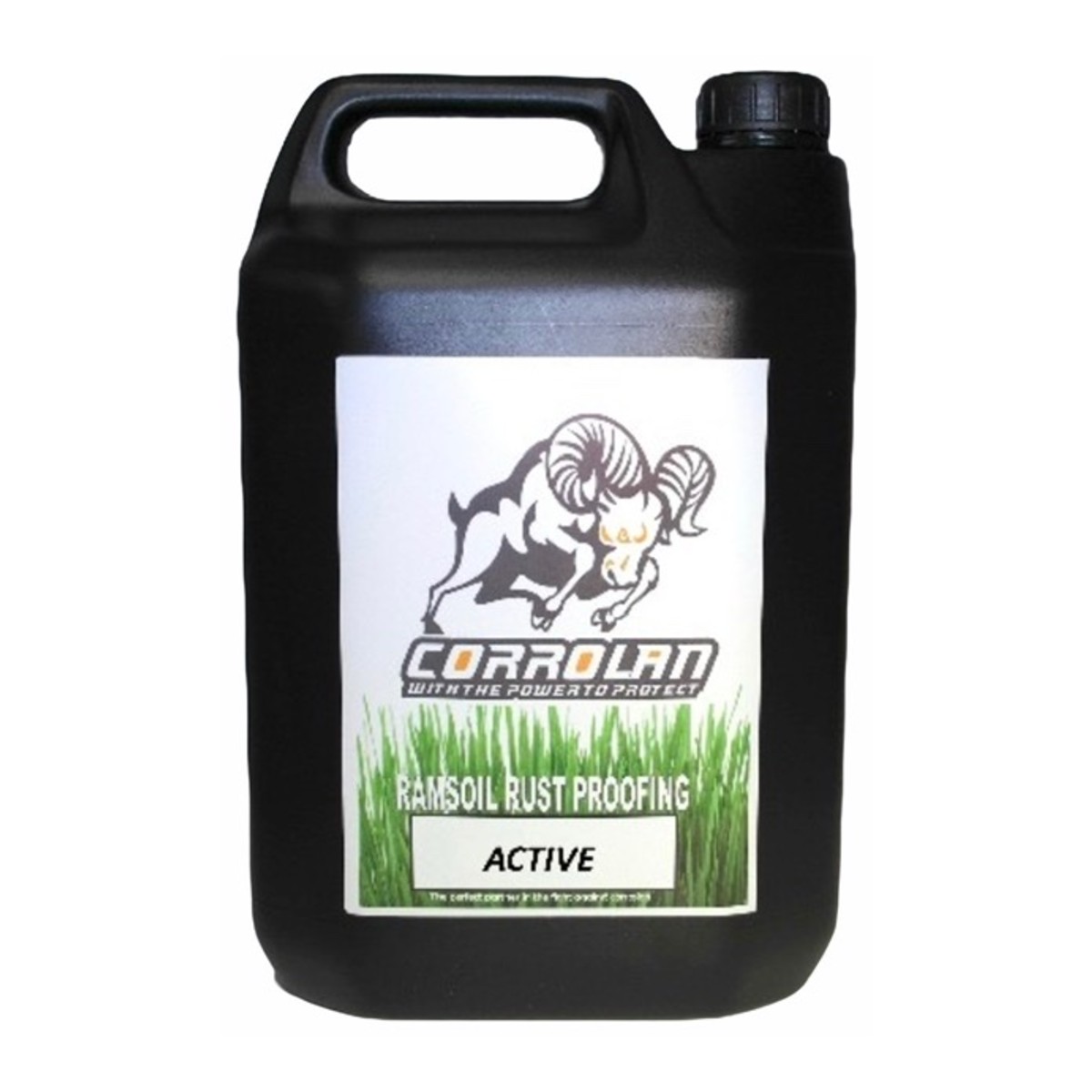
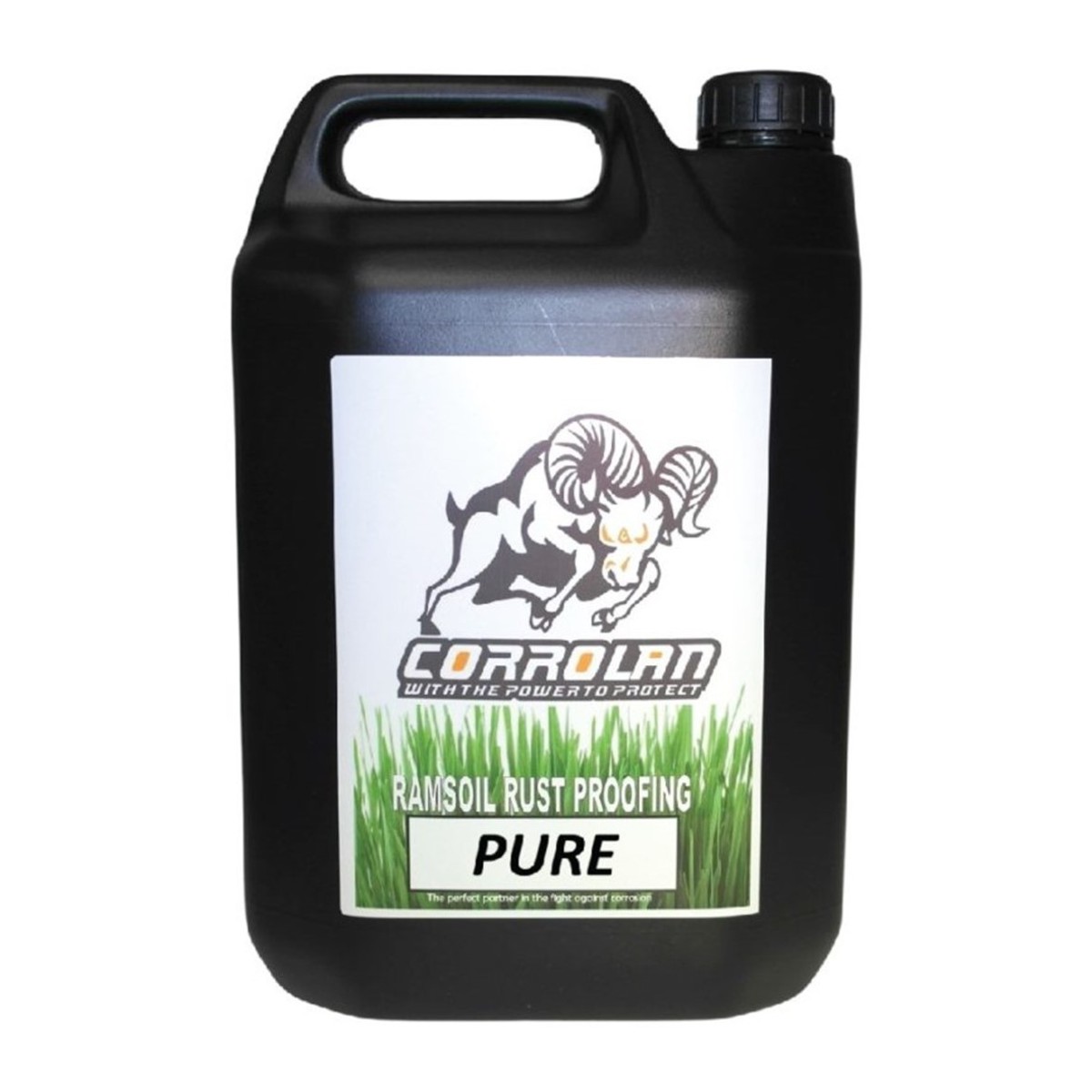
The Rustbuster Corrolan range is our go-to lanolin-based protection. Corrolan Penetrator is the thin one for creeping into cavities and seams; Corrolan Pure and Corrolan Active give the flexible, self-healing film for the underside. It stays soft, creeps where it is needed, and does not crack out on you in a few years. Just remember it is a dark honey / amber colour rather than black.
For a hard-worked or modern vehicle: Techshield
If the car earns its living, or you want a tougher external finish, the Techshield Underbody Schutz (a tough bitumen underseal) and Techshield Stonechip give a harder-wearing, abrasion-resistant coat for the areas that take a beating. Underbody Schutz is black, so it gives the traditional black underbody look on hidden areas; use Stonechip anywhere you want to paint over it.
Doing the job right
Whatever you use, preparation is what makes it last. Salt and old flaking coatings have to come off first — our guide on removing salts and coating failures and the Rustbuster how-to guides walk through it. Wax over salt or loose rust and it will not matter which brand you chose.
Not sure which one you need?
If you are weighing up an underbody job and are not sure where to start, give us a ring on 089 448 6626. We build and restore cars out of the same yard as the shop, so you are talking to people who actually apply this stuff — not reading it off the tin. Everything is in Irish stock with free delivery over €150.
Waxoyl alternative FAQs
What is the best alternative to Waxoyl?
For classic and cherished cars, a lanolin wax such as Rustbuster Corrolan stays soft, self-heals when scuffed and creeps into seams. For a tough black finish on hard-working or modern vehicles, Rustbuster Techshield Underbody Schutz gives a black bitumen underseal, although it is not a wax.
Is lanolin wax better than Waxoyl?
Lanolin waxes like Corrolan take a more modern approach: they stay flexible rather than hardening, self-heal when disturbed, creep deep into seams and are non-toxic. Waxoyl is still a respected product; lanolin simply builds on what it did well.
Is there a black alternative to Waxoyl?
For a black finish, Rustbuster Techshield Underbody Schutz gives a tough black bitumen underseal, ideal for arches and hidden underbody areas, though it is not a wax and can only be over-coated with bitumen. Corrolan lanolin waxes are a natural honey colour instead, which lets you see the metal when you inspect it.
Do I need cavity wax as well as underbody wax?
Yes. Cavity wax is thin and creeps into sills, box sections and seams to stop rust from the inside, while underbody wax is thicker and protects the exposed underside. A proper job uses both, plus stonechip or schutz on high-impact areas.