Stonechip and Seam Sealing: How to Finish a Repaired Panel Properly
You’ve cut out the rot, welded in new metal and primed it. Now comes the part that decides whether the repair lasts ten years or two: sealing the seams and protecting the lower panels from the stones and grit your tyres throw at them. Seam sealer keeps water out of joints; stonechip gives sills, valances and arches a tough, flexible, textured shield. This guide shows you how to use both properly.
Why seams are where cars rust first
Wherever two panels overlap, there’s a narrow gap. Water and road salt are drawn in by capillary action, and once they’re inside, the steel in the gap can’t get the oxygen it needs to stay passive. According to Rustbuster, corrosion inside crevices like this runs up to 400 times faster than on an open surface. That’s why rust so often bubbles out along a seam, a sill joint or a wheel-arch lip first. A good seam sealer closes that gap for good.
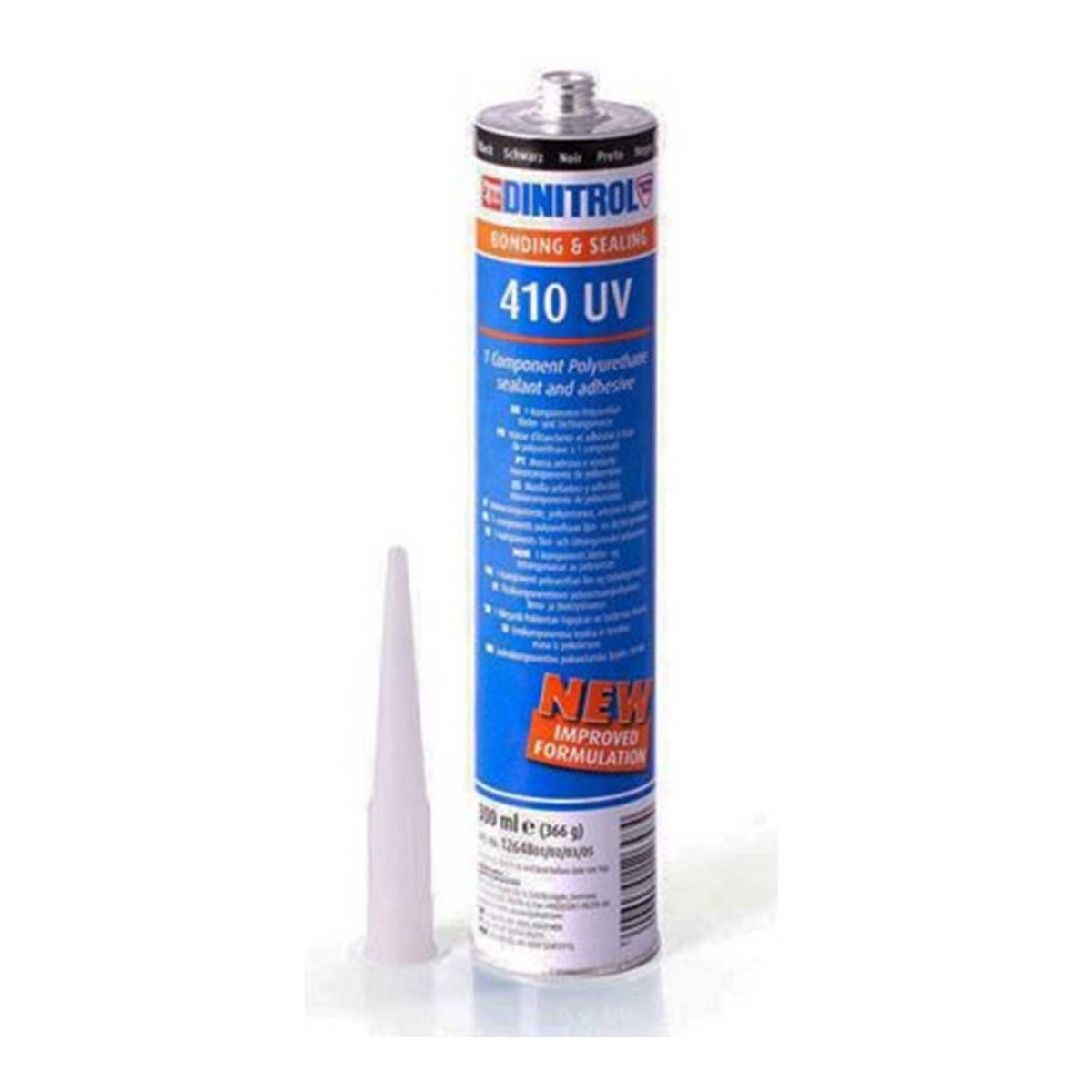
Seam sealer: Dinitrol 410 UV
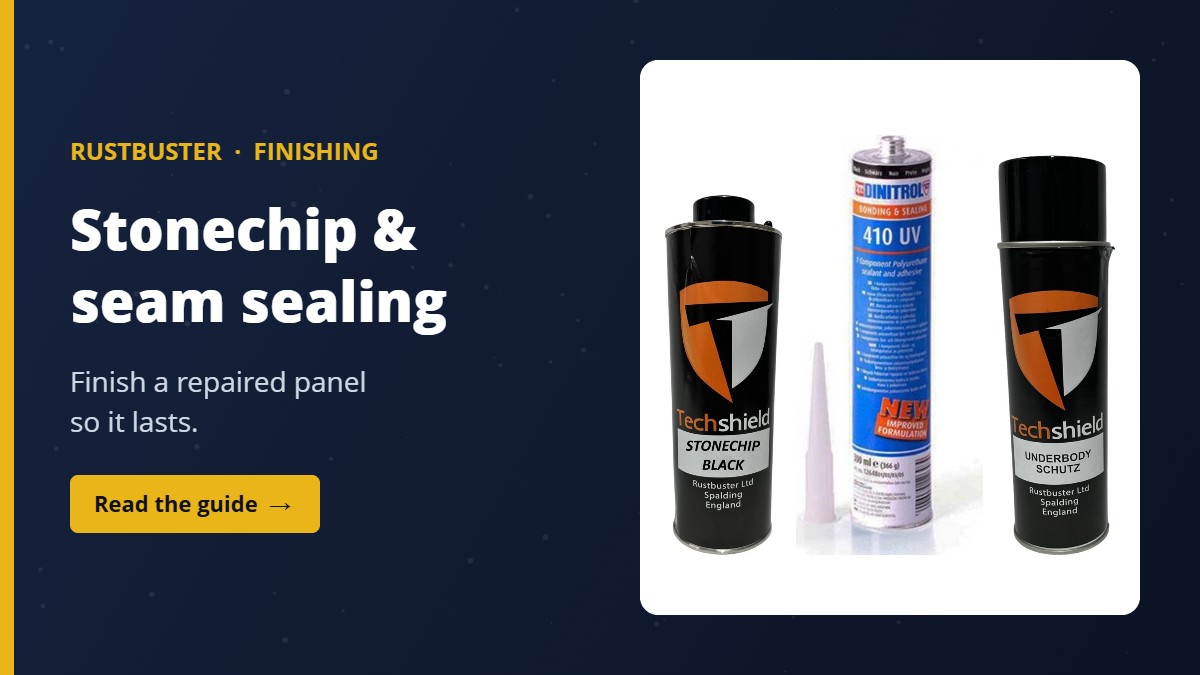
Dinitrol 410 UV is a one-component polyurethane seam sealer and bonding compound in a standard 310ml cartridge. It’s quick-drying, stays elastic so it moves with the body without cracking, and it’s UV-stable. It can be painted over with most lacquers, and 2-pack acrylic lacquers can even be applied wet-on-wet.
How to seal a seam
Clean the seam thoroughly
Remove dirt, old sealer and as much loose rust as you can. Degrease with Safer Degreaser and let it dry.
Treat any rust inside the seam
If there’s rust in the joint, inject FE-123 Rust Converter into the seam. It can cope with damp surfaces and seals the rust in as it cures. Let it dry completely (how to use FE-123).
Run the sealer deep into the seam
Cut the cartridge nozzle fine and push a continuous bead of Dinitrol 410 deep into the joint, not just over the top of it. Smooth it with a gloved finger or a spatula so there are no gaps or pinholes.
Seal it all in with paint
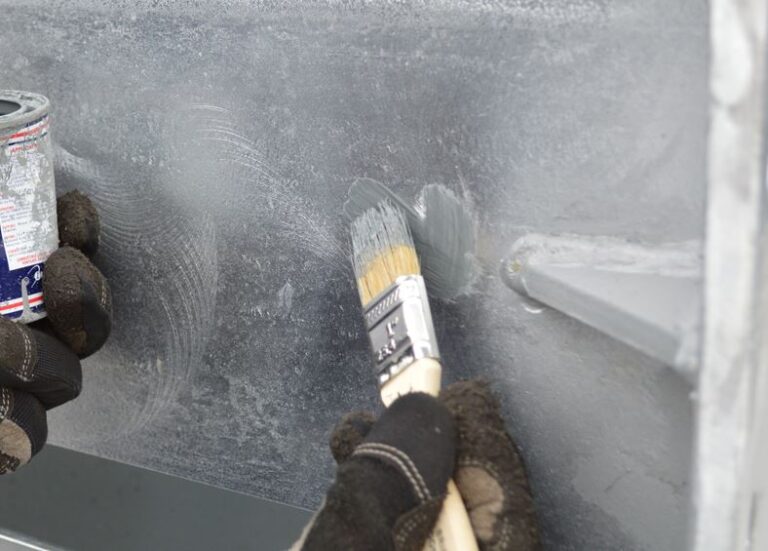
Once the sealer has skinned, overpaint with Rustbuster Epoxy Mastic to create an airtight barrier, then stonechip and topcoat as needed.
Stonechip: Techshield Stonechip
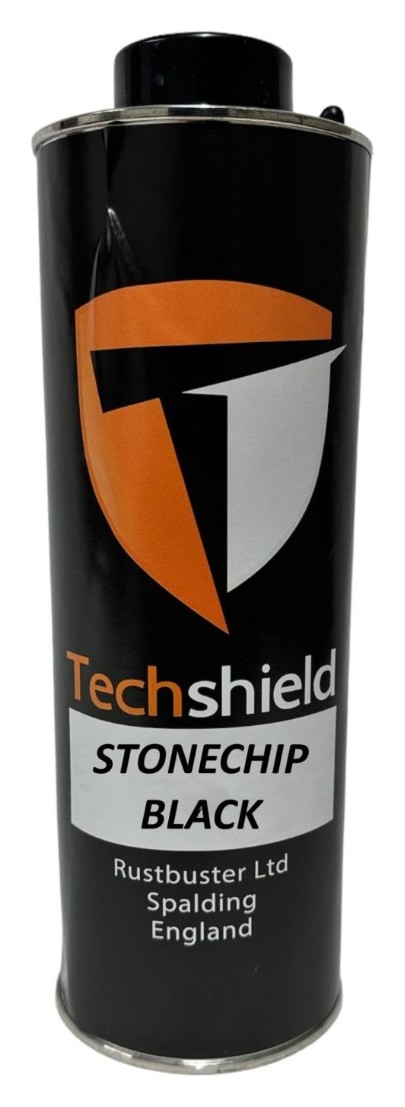
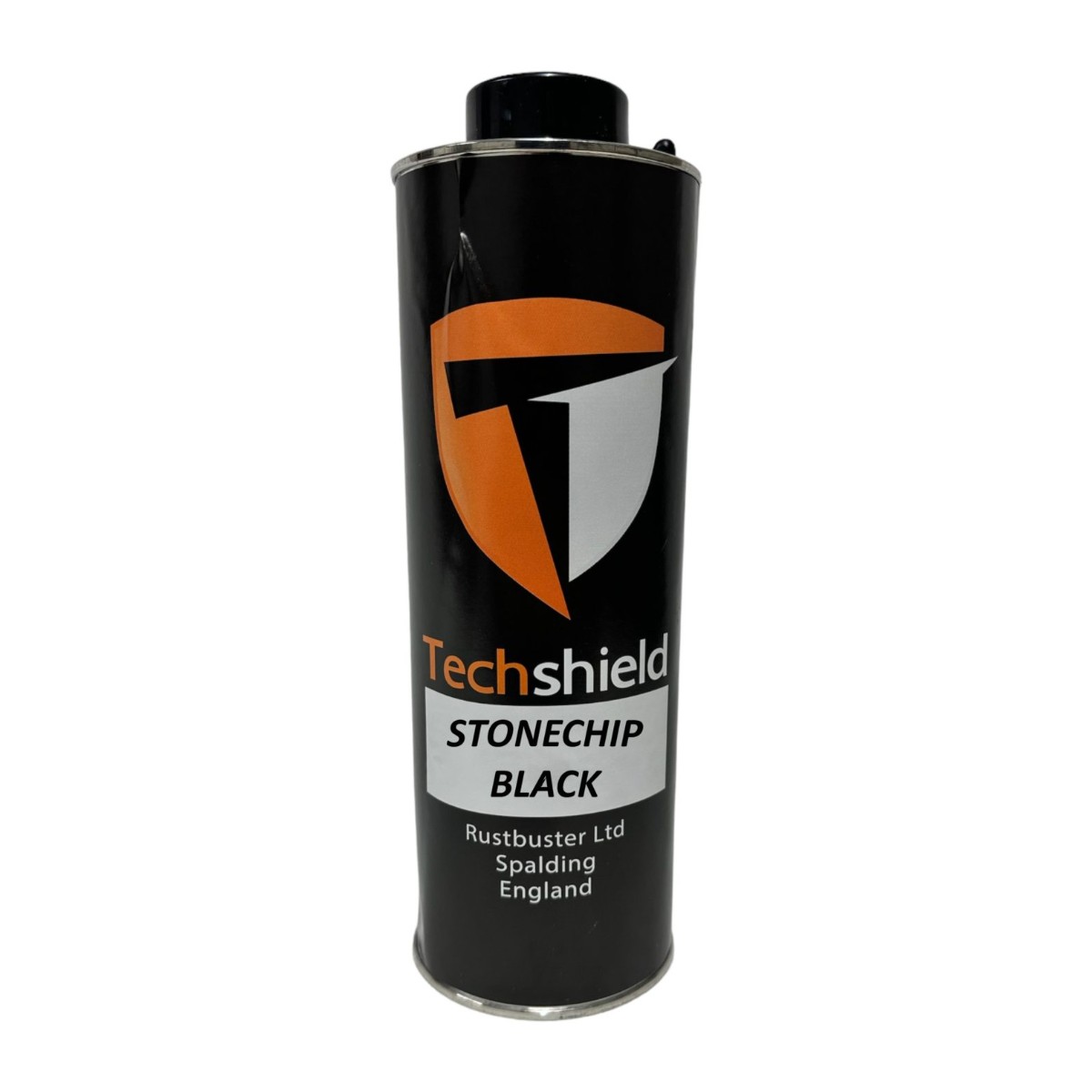
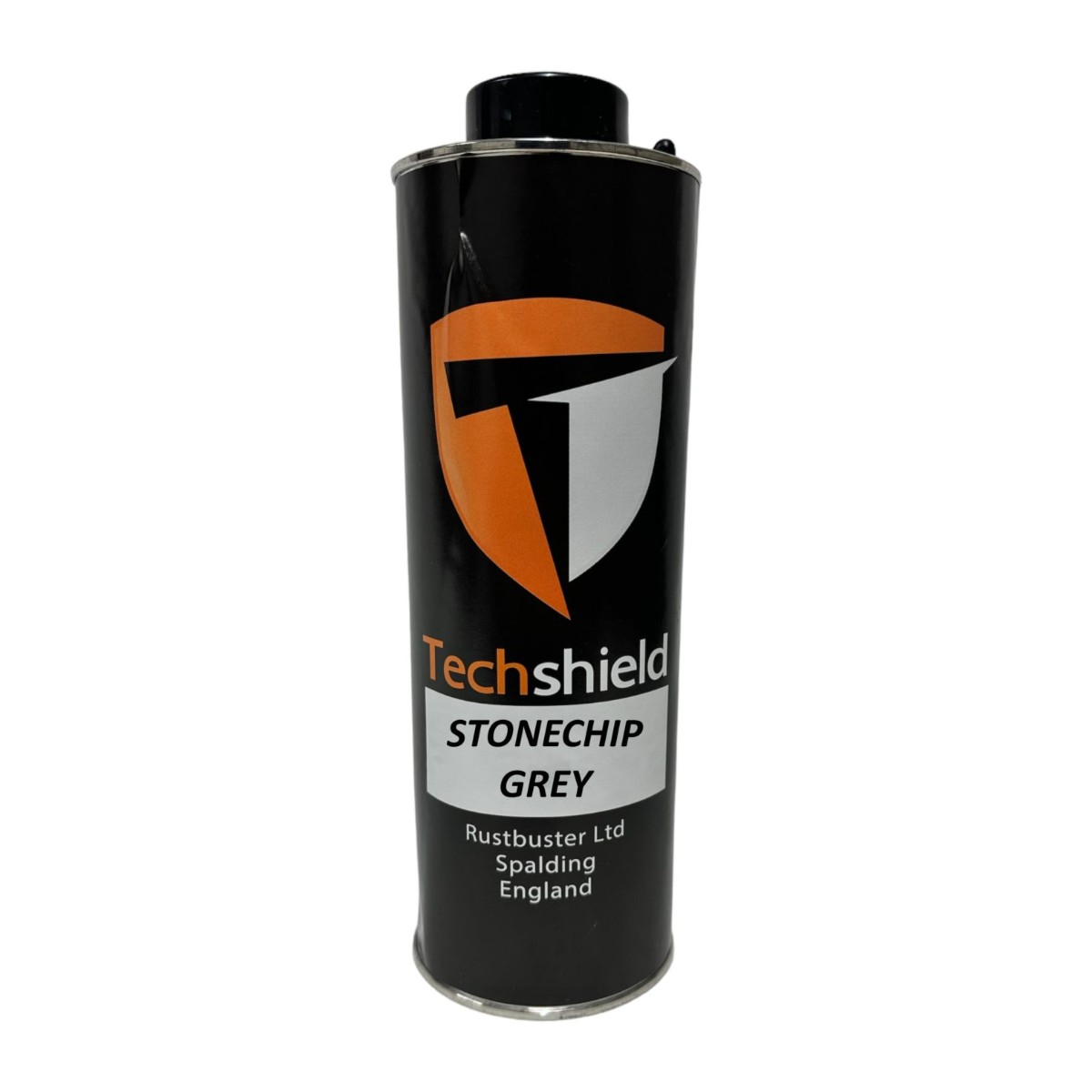
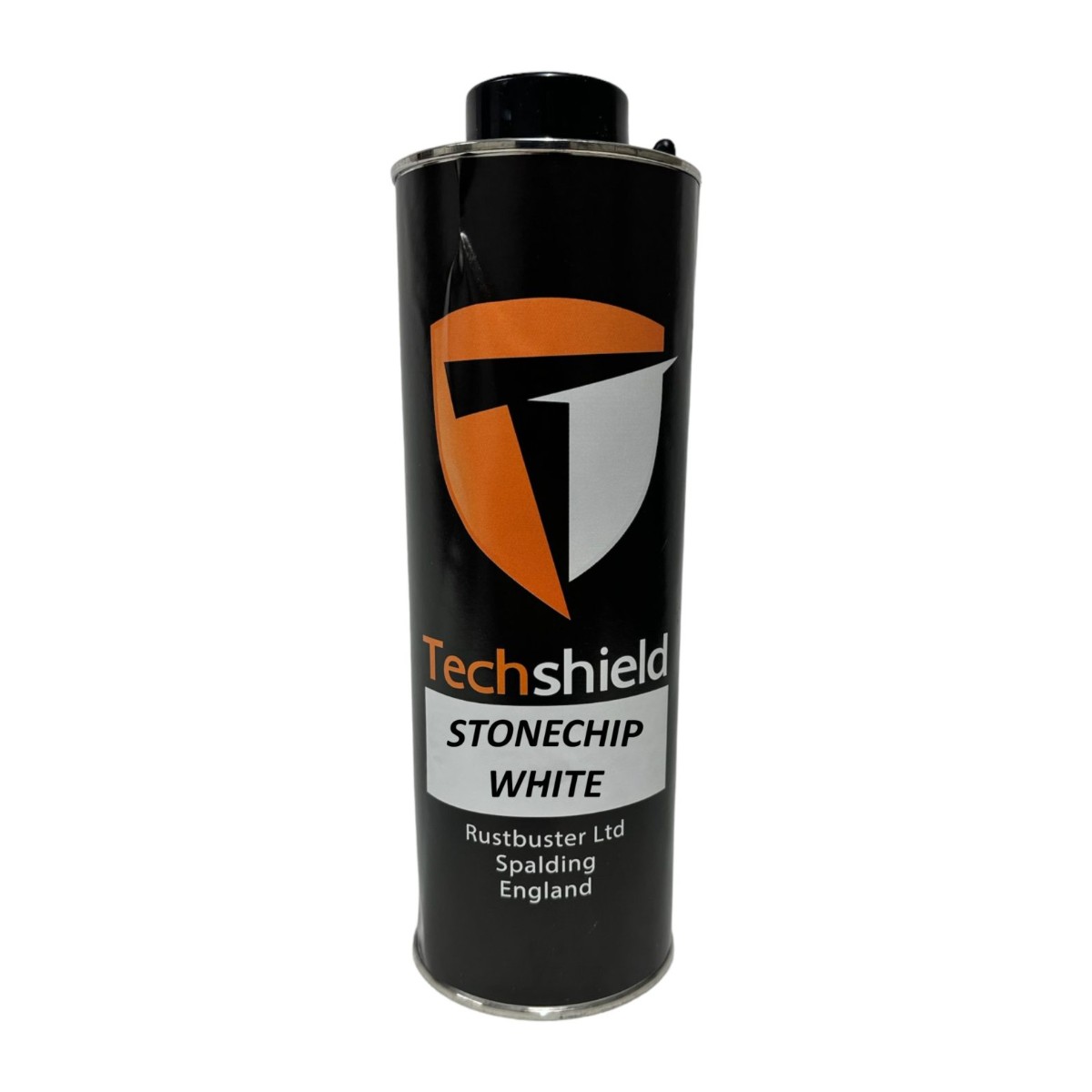
Sills, valances, spoilers, lower door edges and wheel arches take a constant battering from stones and grit. Once the paint is chipped, water gets to the steel and rust starts. Rustbuster Techshield Stonechip is a tough, closed, elastic coating made from synthetic resins and rubber that absorbs those impacts instead of cracking. It leaves a textured finish like a factory stonechip coating, deadens road noise, adheres well to underbodies and most substrates, and can be over-painted with all paint systems.
It comes in 1 litre tins in three colours: black, grey and white. Black suits underbodies and arches; grey or white make a better base on sills and valances that will be painted in a lighter body colour.
How to apply stonechip
Prime bare metal first
The surface must be clean, dry and free from rust and grease. For the best corrosion protection, prime bare steel with an anti-corrosion primer such as Custom 421 Epoxy Primer, Epoxy Mastic or Zinc Rich Epoxy-Anode.
Mask off
Stonechip is textured and gets everywhere. Mask off anything you don’t want coated, and try your spray settings on a test panel first to get the texture you want.
Shake and apply at least two coats
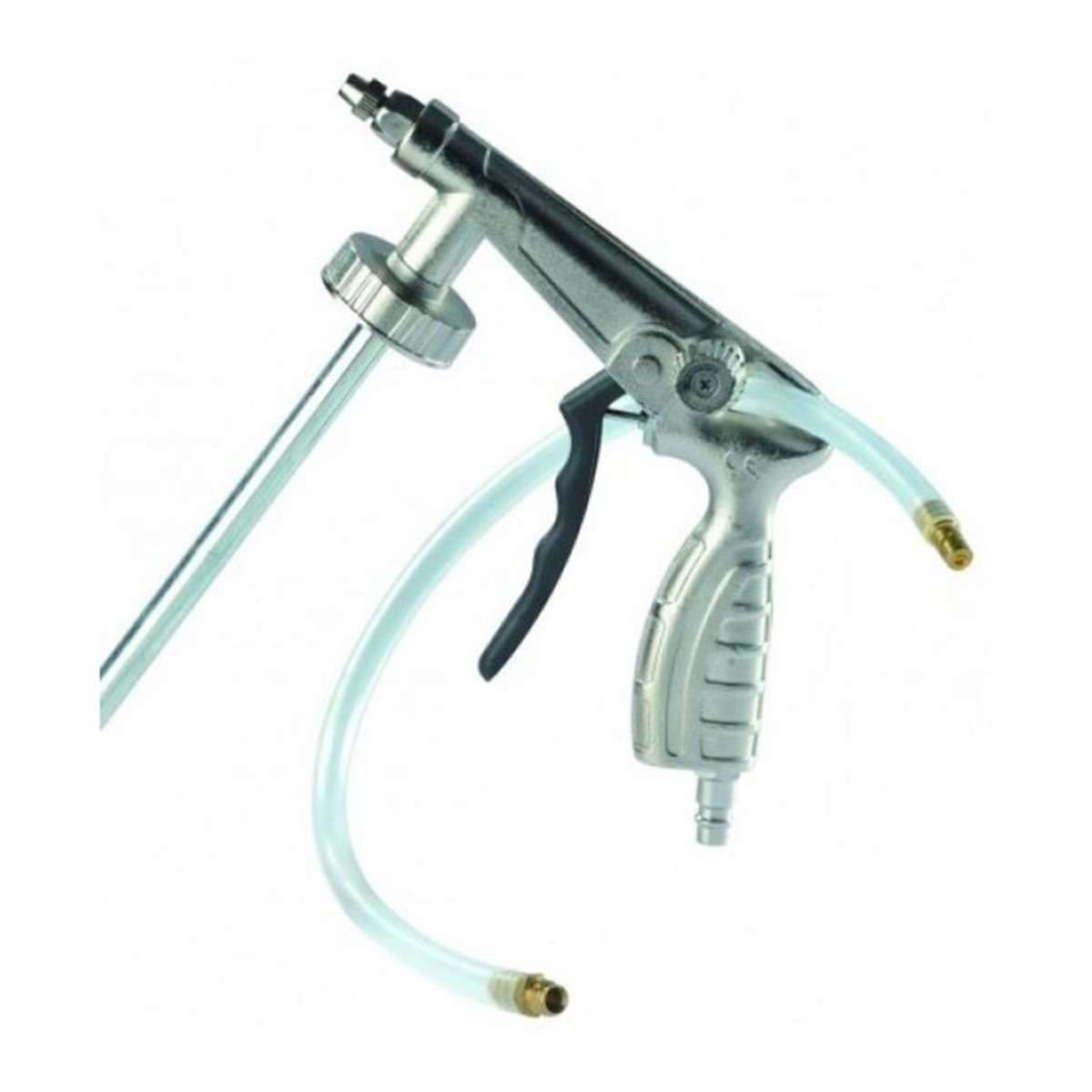
Shake the can well. Spray with an undercoating Schutz gun or brush an even layer about 0.5mm thick. Apply at least two coats; it’s dust-free in around 30 minutes at 20°C.
Let it dry fully, then paint
Allow a full 24 hours at 20°C before over-painting in your body colour.
Stonechip or Underbody Schutz?
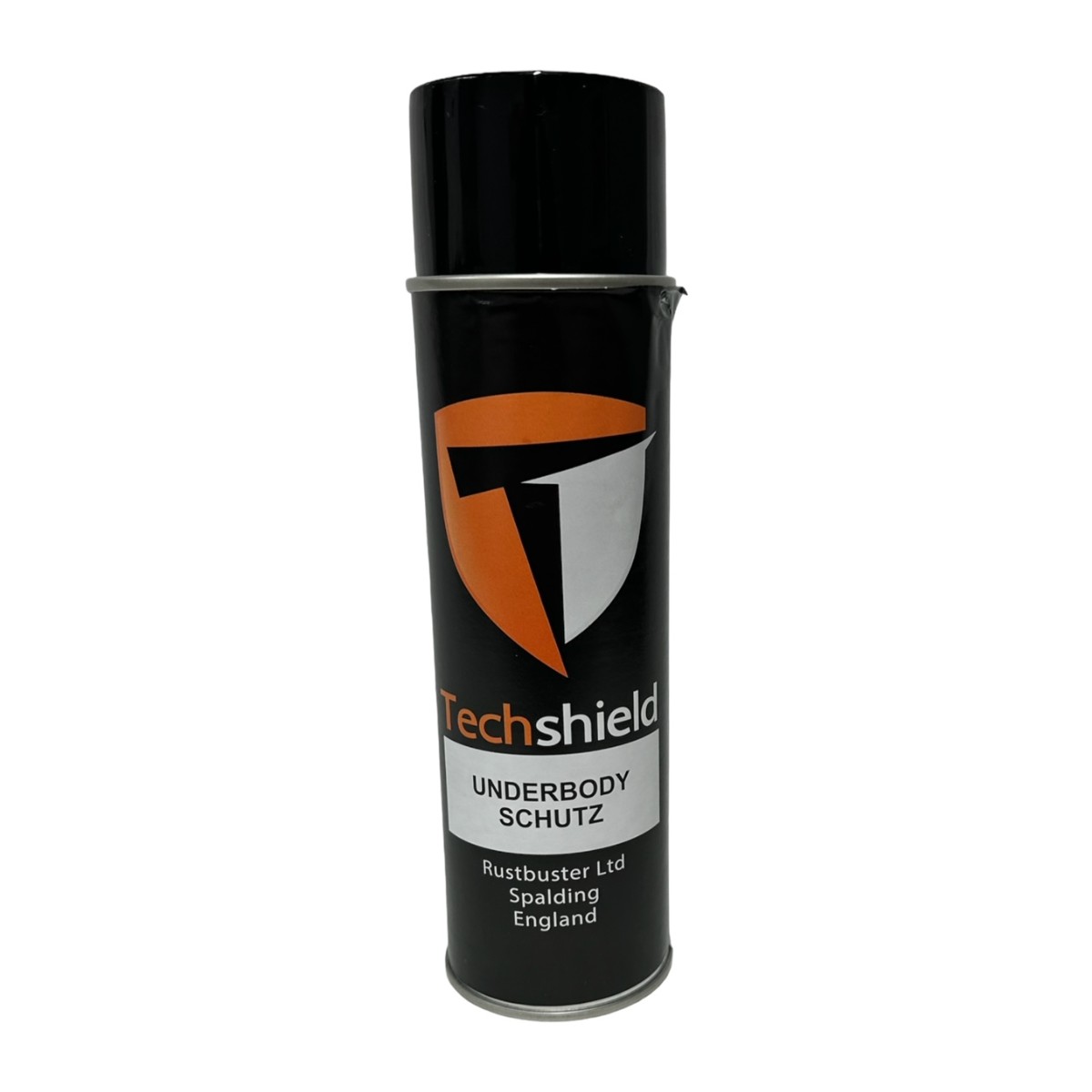
Techshield Underbody Schutz (1L can, or aerosol for quick jobs) gives tough, bitumen-based gravel protection. But there’s one big difference:
| Techshield Stonechip | Techshield Underbody Schutz | |
|---|---|---|
| Base | Synthetic resins and rubber | Bitumen |
| Over-paintable? | Yes, with all paint systems | No, only with bitumen products |
| Colours | Black, grey, white | Black |
| Format | 1L tin, Schutz gun or brush | 1L can (Schutz gun or brush) or 500ml aerosol |
| Best for | Visible sills, valances and panels you’ll paint | Hidden underbody, arches and areas staying black |
| Also | Dust-free 30 min, fully dry 24 hr | Compatible with original PVC underseal; 1000-hour salt-spray tested |
The full order for a repaired panel
- 1. Clean, degrease and remove salt (why salt matters)
- 2. Treat remaining rust with FE-123, or strip to bare metal
- 3. Prime: Zinc Rich Epoxy-Anode, Custom 421 or Epoxy Mastic
- 4. Seal every seam with Dinitrol 410
- 5. Stonechip the lower panels: at least two coats
- 6. Topcoat in your body colour
- 7. Finally, wax the inside of sills and box sections (cavity wax injection guide)
Mistakes to avoid
- Sealing over wet or rusty seams. Treat the rust and let everything dry first, or you seal the problem in.
- Just skimming sealer over the top. Push it deep into the joint so there’s no gap underneath.
- Stonechipping bare metal. Prime first for proper corrosion protection.
- One thick coat. Two coats of about 0.5mm protect better than one heavy one.
- Painting over bitumen Schutz. It can only be over-coated with bitumen products. Use Techshield Stonechip anywhere you want to paint.
Stonechip and seam sealer FAQs
Can you paint over stonechip?
Yes. Techshield Stonechip can be over-painted with all paint systems once it has fully dried, which takes about 24 hours at 20°C. Bitumen-based Underbody Schutz, however, can only be over-coated with bitumen products.
How many coats of stonechip do I need?
At least two coats, each about 0.5mm thick when applied. It’s dust-free in around 30 minutes at 20°C.
Should seam sealer go on before or after primer?
Treat any rust and prime bare metal first, then run the seam sealer deep into the joint and overpaint it. Rustbuster recommends overpainting sealed seams with Epoxy Mastic to create an airtight barrier.
Can Dinitrol 410 be painted?
Yes, with most lacquers, and 2-pack acrylic lacquers can be applied wet-on-wet. Paints containing alcohol or alkyd resins can stop it hardening properly, so check your paint first.
Why do car seams rust?
Water and salt are drawn into the gap between overlapping panels, where the steel can’t get enough oxygen to stay protected. Rust in crevices like this can form up to 400 times faster than on an open surface, which is why sealing seams matters so much.
More rust guides: zinc rich epoxy primer, how to use Epoxy Mastic, 10 steps to complete rust protection and rust-proofing before winter.