Best Rust Converter: How to Choose the Right One (and Why We Use FE-123)
Search “best rust converter” and you’ll find a dozen products all promising to “kill” or “cure” rust. Some are converters, some are removers, and a few are really just paint. This guide explains what a good rust converter should actually do, what to look for before you buy, and why the one we stock and use is Rustbuster FE-123.
The short answer
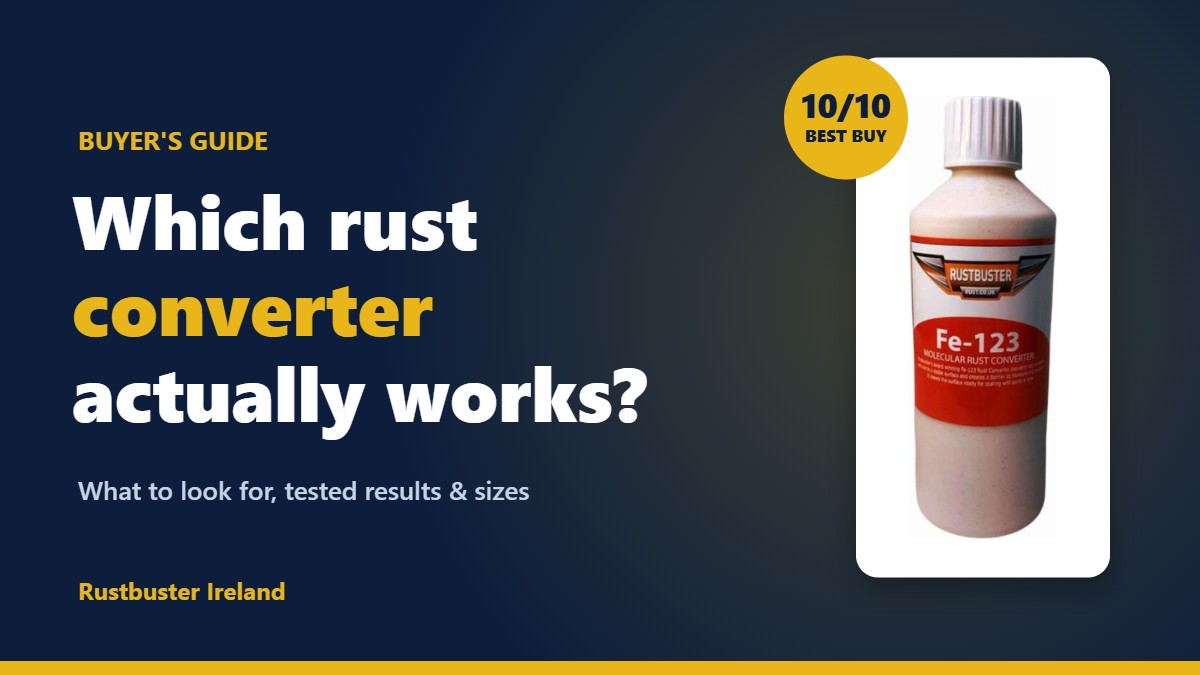
For brush-on rust treatment on cars, classics, trailers and machinery, choose a converter that chemically converts the rust, needs no neutralising or washing off, and can be painted or waxed straight over. Rustbuster FE-123 ticks every box: it scored 10/10 and Best Buy in Practical Classics’ group test of eight rust removers and converters, and it’s water-based, non-flammable and can even go on slightly damp steel.
What does a rust converter actually do?
A rust converter doesn’t dissolve rust like an acid remover does. It reacts with the rust and turns it into a stable, dark layer that seals the steel from moisture and oxygen, ready for paint or wax. That makes it ideal for pitted metal and awkward areas where you can’t grind or blast back to bright steel.
FE-123 does this with tannic acid, which reacts with the iron oxides, plus zinc phosphate anti-corrosive pigments in a water-resistant film. It goes on white and turns a dark purple-grey to black as it converts, so you can see exactly where it has worked.
What to look for in a rust converter
These are the things that separate a converter that lasts from one that lets the rust come back under your paint.
It genuinely converts, and shows you it has
Look for a product that reacts with the rust rather than just coating over it. A visible colour change is a big help. FE-123 turns from white to dark purple-grey or black, and if it stays milky there wasn’t enough rust there to convert.
No neutralising, rinsing or sanding afterwards
Some treatments need washing off or neutralising before you can paint, which adds work and risks flash rust. FE-123 needs no sanding, neutralising or washing. Once it has converted, it’s ready to coat.
Easy to paint or wax over
Check what can go on top and when. FE-123 can be overcoated with paint, wax or filler. The data sheet gives a minimum of 2 to 3 hours before overcoating and no maximum, although we’d get a coat on within a month. The one thing not to put over it is a zinc-rich primer, because the converted layer stops the zinc making electrical contact with the steel.
Forgiving in real-world conditions
Irish garages and sheds are rarely warm and dry. FE-123 can be applied over slightly damp surfaces and converts in 15 to 60 minutes depending on temperature. It will be slower in the cold, and it shouldn’t be used when it’s too cold to react.
Safe to use in a garage
Solvent-heavy or strongly acidic products need good ventilation and careful handling. FE-123 is water-based, non-flammable, low odour and classed as non-hazardous. Wear gloves and eye protection, and brushes wash out in fresh water.
Good coverage for the money
Compare how far a bottle goes, not just the price. FE-123’s theoretical spreading rate is 10 m² per litre, applied sparingly by brush.
How FE-123 did in a head-to-head test
Practical Classics magazine put eight readily available rust removers and converters through the same test on the stripped, rusty roof of a Ford Sierra. Each product was scored on ease of use and effectiveness.
| Product | Type | Overall score | Award |
|---|---|---|---|
| Rustbuster FE-123 | Converter | 10/10 | 🏆 Best Buy |
| Bilt Hamber Hydrate 80 | Converter | 9/10 | Recommended |
| Hammerite Kurust | Converter | 7/10 | – |
Source: Practical Classics rust removers and converters test, Spring 2011 (read the full test, PDF). FE-123 is also a “best in test” winner with Classics Monthly.
The testers found FE-123 easy to brush on without running off vertical panels, and the rust was fully encapsulated under a smooth black layer within about 20 minutes. Their verdict: “With versatility comes great effectiveness as a rust converter.”
Which size do I need?
| Size | Covers (approx.) | Good for | Price |
|---|---|---|---|
| 500ml | about 5 m² | Repairs, sills, arches, brackets and small parts | €29 |
| 1 litre | about 10 m² | Bigger jobs such as floor pans, chassis rails and restoration projects | €49 |
| 5 litres | about 50 m² | Trailers, horseboxes, farm machinery and workshop use | €225 |
Coverage is based on the data sheet’s theoretical rate of 10 m² per litre. Heavily pitted steel will use more. Prices include VAT.
When a rust converter is the wrong choice
- Bright, clean metal. There’s no rust to convert, so it will stay milky. Remove it with a fine Scotch-Brite pad and use a primer such as Custom 421 epoxy primer instead.
- Thick, flaking rust. Wire-brush off all loose rust first. If you want bright steel, use a remover like Phos-Kleen A.
- Holes or rotten structural metal. A converter stops rust spreading, but it can’t put strength back. Cut out and repair badly rotted sections first.
- Salty metal. Road salt left on the steel will push rust back through any coating. Wash it off first with Chlor-X. See how to remove salt before painting.
- Under a zinc-rich primer. Don’t use a zinc-rich coating over FE-123. Use epoxy primer or paint instead.
- Inside a fuel tank. Use the dedicated Slosh tank-sealing system instead.
How to use FE-123 in four steps
Prepare
Degrease the surface and remove all loose rust with a wire brush.
Apply
Shake the bottle well, pour a little into a separate container so you don’t contaminate the rest, and brush it sparingly onto the rust, working it into the pits.
Let it convert
Leave it 15 to 60 minutes (longer in the cold) until it turns dark purple-grey to black. Wipe any splashes off paintwork or bright metal once dry with a Scotch-Brite pad.
Protect it
After a minimum of 2 to 3 hours, paint or wax straight over. Don’t leave it uncoated for more than about a month.
For the full method, tips and common mistakes, see our step-by-step FE-123 guide.
What to put on top
A converter is the first layer of protection, not the last. Finish with:
- A tough barrier paint: Rustbuster Epoxy Mastic for chassis, underbodies and machinery.
- A primer before topcoat: Custom 421 epoxy primer for bodywork.
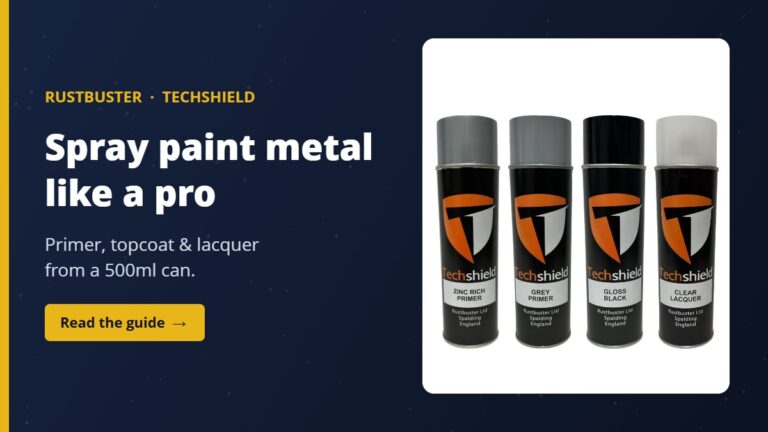
- A rust-proofing wax: Corrolan or Techshield underbody wax for cavities and underbodies.
For the whole process from start to finish, see 10 Steps to Complete Rust Protection, our chassis restoration guide or the trailer and farm machinery guide.
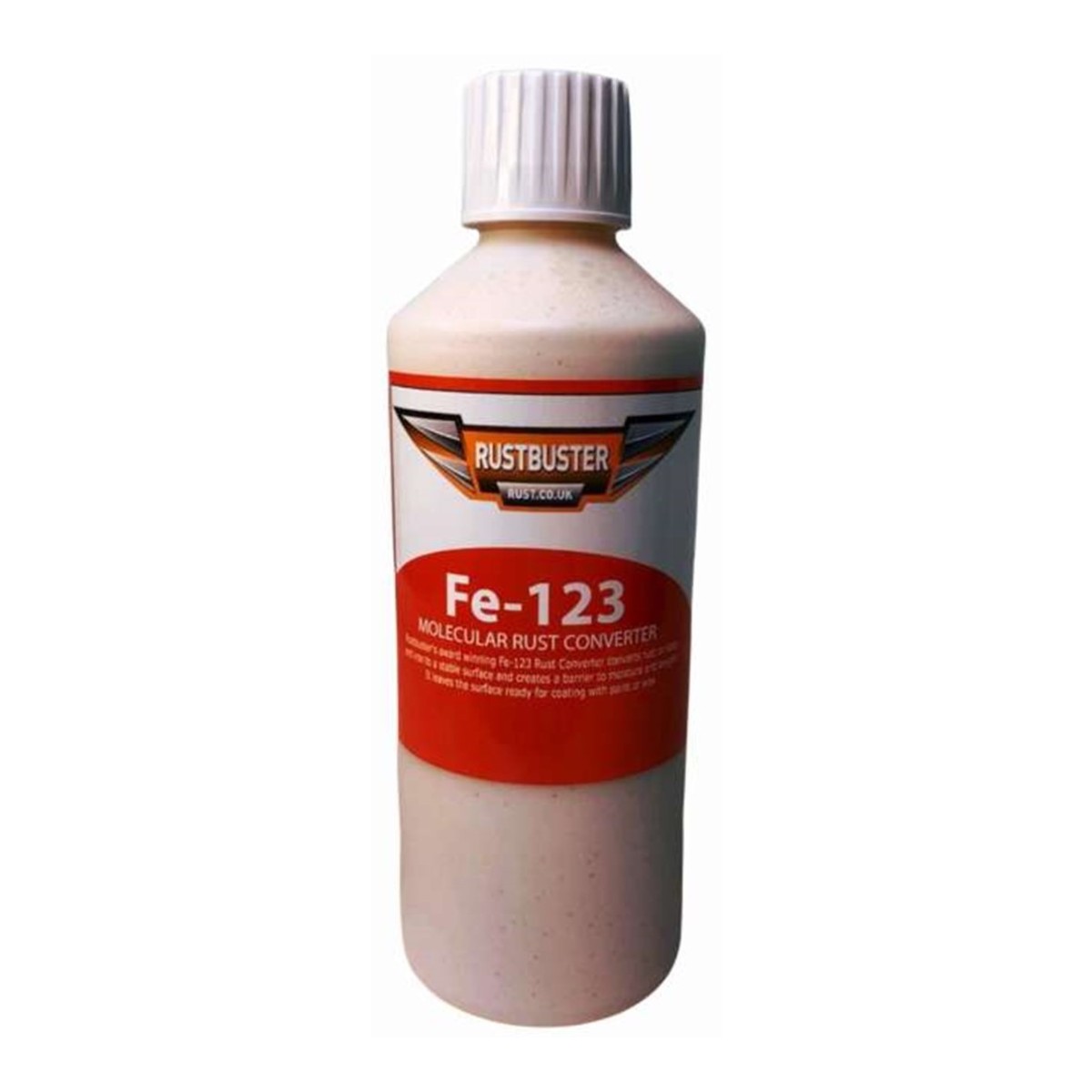 FE-123 Rust Converter
 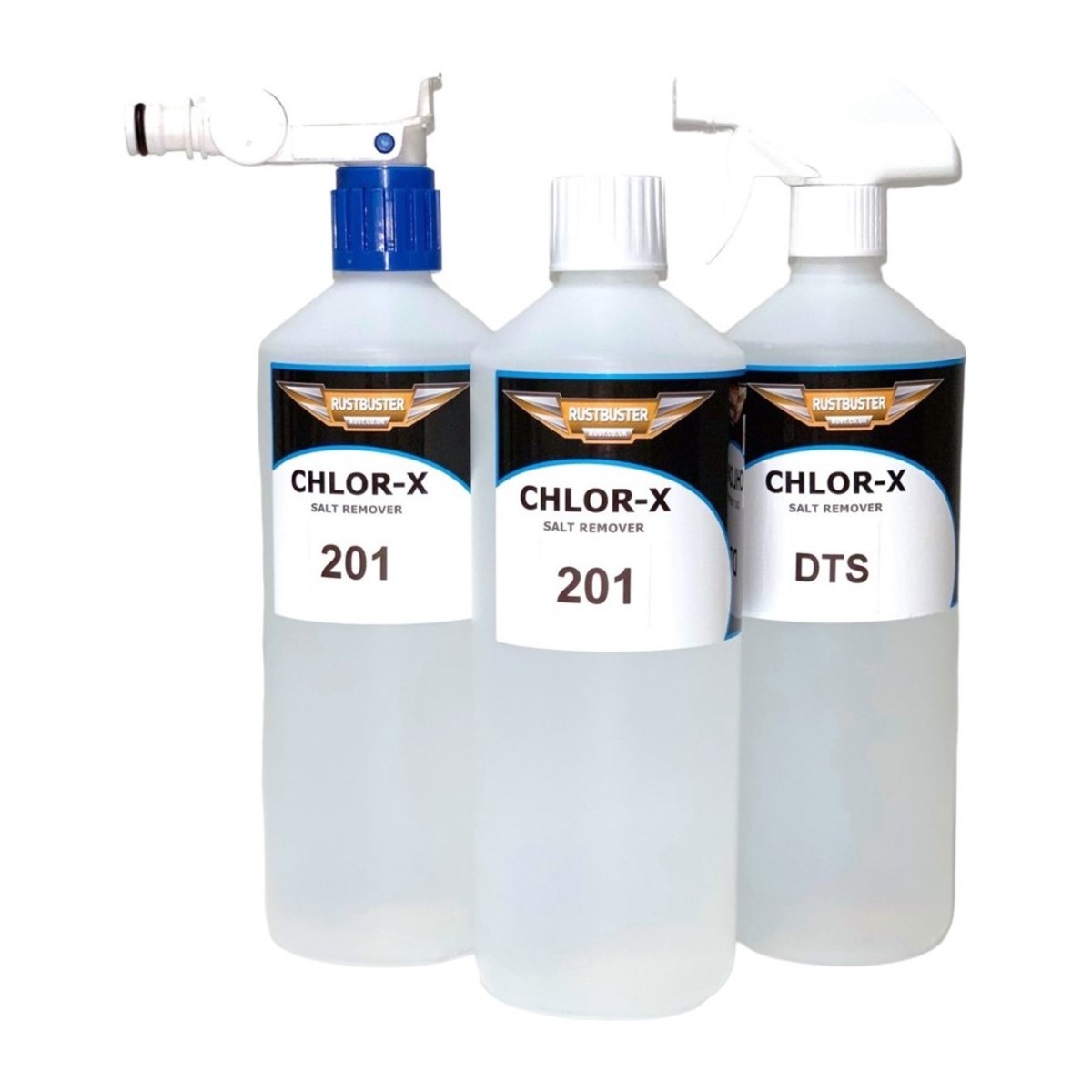 Chlor-X Salt Remover
 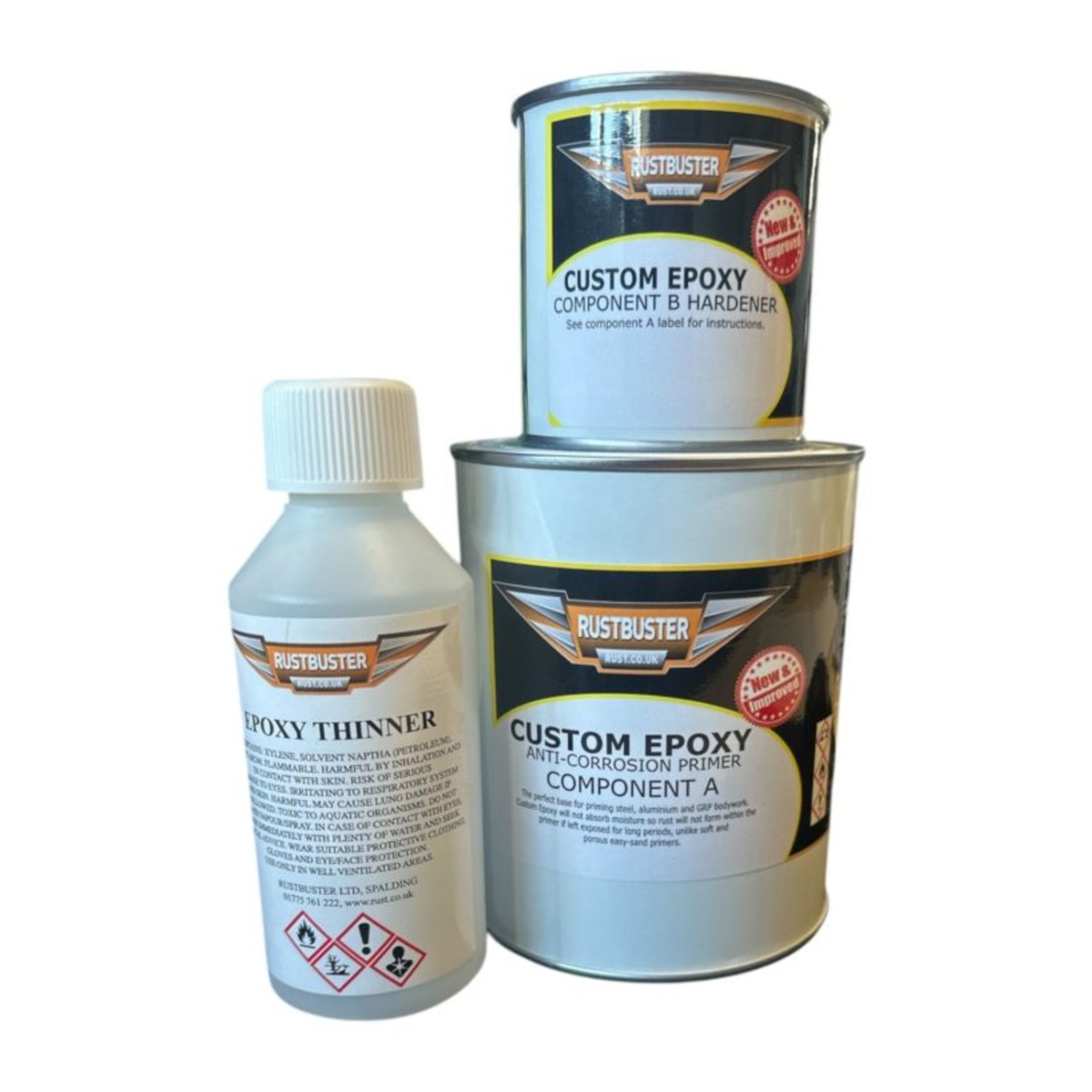 Custom 421 Epoxy Primer
 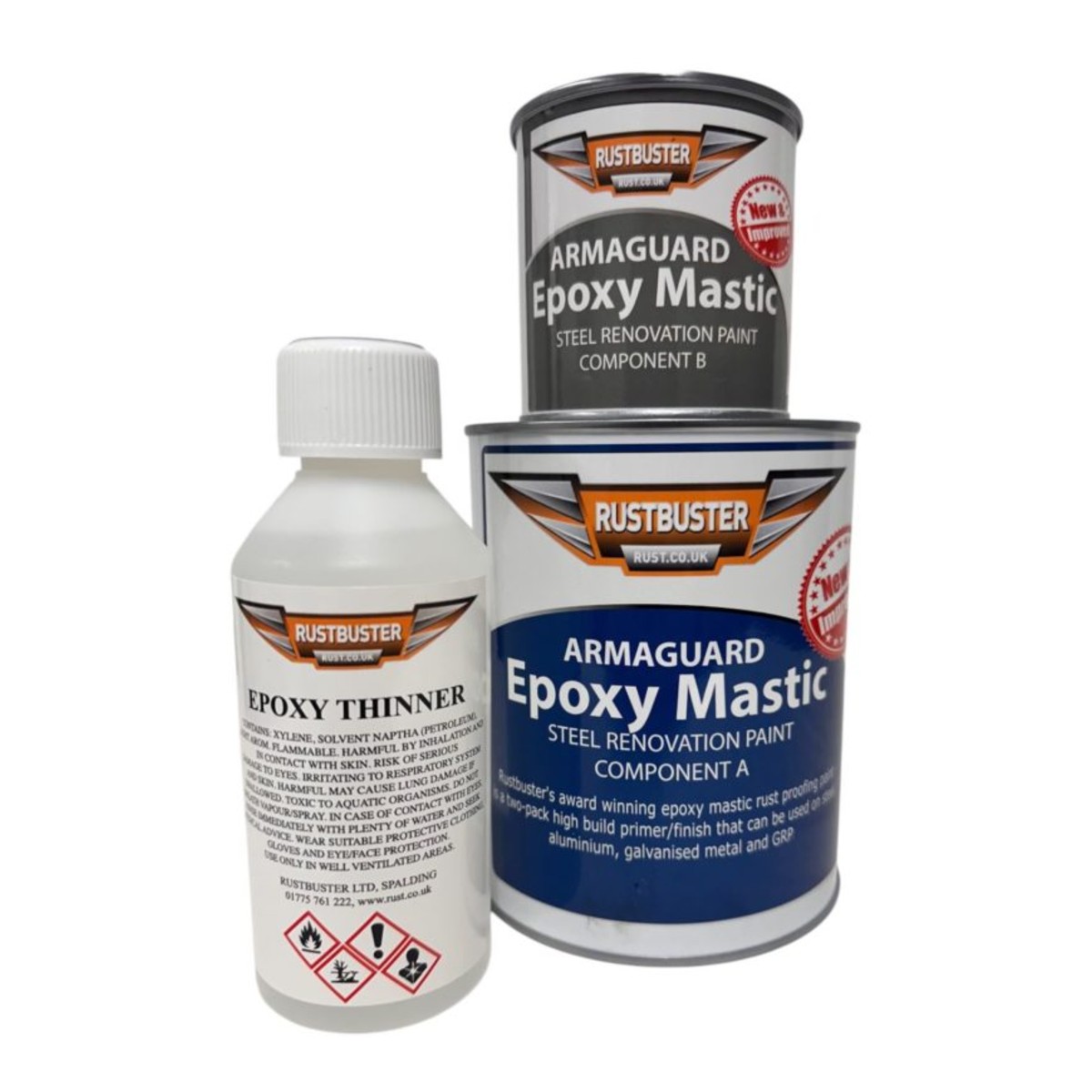 Epoxy Mastic Paint
 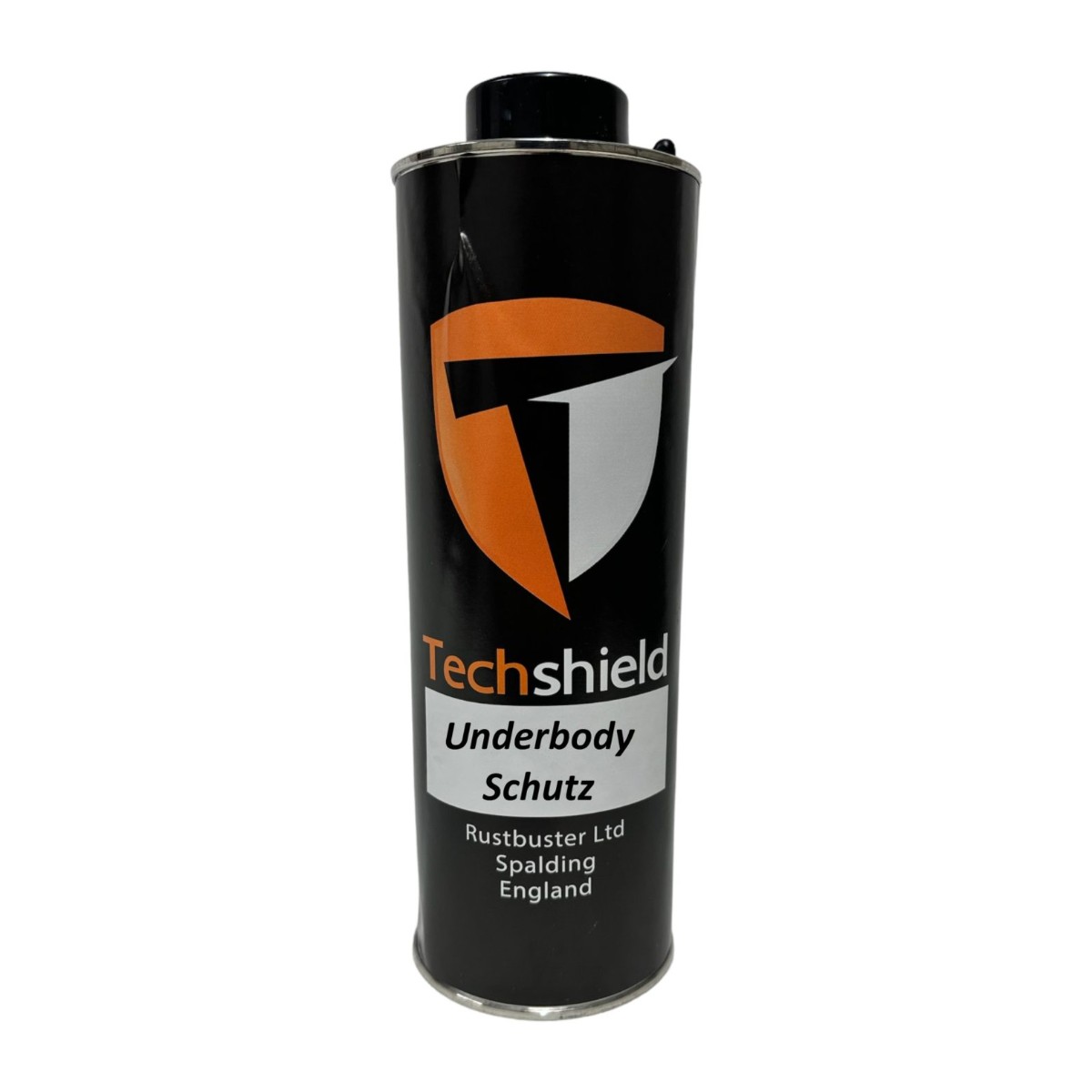 Techshield Underbody Wax
Frequently asked questions
What is the best rust converter?
For brush-on use on cars, classics, trailers and machinery, we recommend Rustbuster FE-123. It scored 10/10 and Best Buy in Practical Classics’ test of eight rust removers and converters. It converts rust with tannic acid and zinc phosphate pigments, needs no neutralising, and can be painted or waxed straight over.
Should I use a rust converter or a rust remover?
Use a converter to treat rust in place on pitted or hard-to-reach steel you’ll paint or wax over. Use a remover such as Phos-Kleen A when you want to strip back to bright metal. You’ll need to prime that metal the same day.
Can I use a rust converter on bare metal?
No. A converter needs rust to react with. On clean, bright metal FE-123 stays milky and won’t convert. Remove it with a fine Scotch-Brite pad and prime the bare metal instead.
How long before I can paint over FE-123?
Wait at least 2 to 3 hours after it has converted. There’s no maximum overcoat time on the data sheet, but we’d paint or wax within about a month, because the risk of re-rusting rises the longer it’s left uncoated.
How much FE-123 do I need?
The theoretical coverage is 10 m² per litre, so a 500ml bottle covers about 5 m² and 1 litre about 10 m². Heavily pitted steel will use more.
Can I apply FE-123 in damp or cold weather?
It can go on slightly damp surfaces. It converts more slowly in the cold, and if it’s too cold it may not convert at all. Store it at around 20°C and never let it freeze. Shelf life is 12 months.
Can I put body filler over FE-123?
Yes. You can apply filler over converted FE-123 before painting.