Galvanised Gates and Railings: How to Fix Rust, White Rust and Peeling Paint
Galvanised gates and railings are built to last, and for years they need nothing at all. But the zinc coating doesn’t last forever. Field gates get scraped by tractors and rubbed by cattle, garden gates get drilled for new latches, and the bottom rail sits in wet grass year after year. Sooner or later you’ll see white powder, dull patches or red rust breaking through. This guide explains what each of those means and how to fix it, and how to paint galvanised steel so the paint doesn’t peel off in sheets.
How galvanising protects a gate
Hot-dip galvanising coats the steel in zinc. The zinc protects in two ways: it’s a barrier between the steel and the weather, and it’s more reactive than steel, so where the coating is scratched, the zinc around the scratch corrodes first and protects the exposed steel. That’s why a galvanised gate can shrug off small knocks. Once the zinc in an area is used up, though, the steel underneath starts to rust like any other steel.
What state is your gate in?
| What you see | What it means | What to do |
|---|---|---|
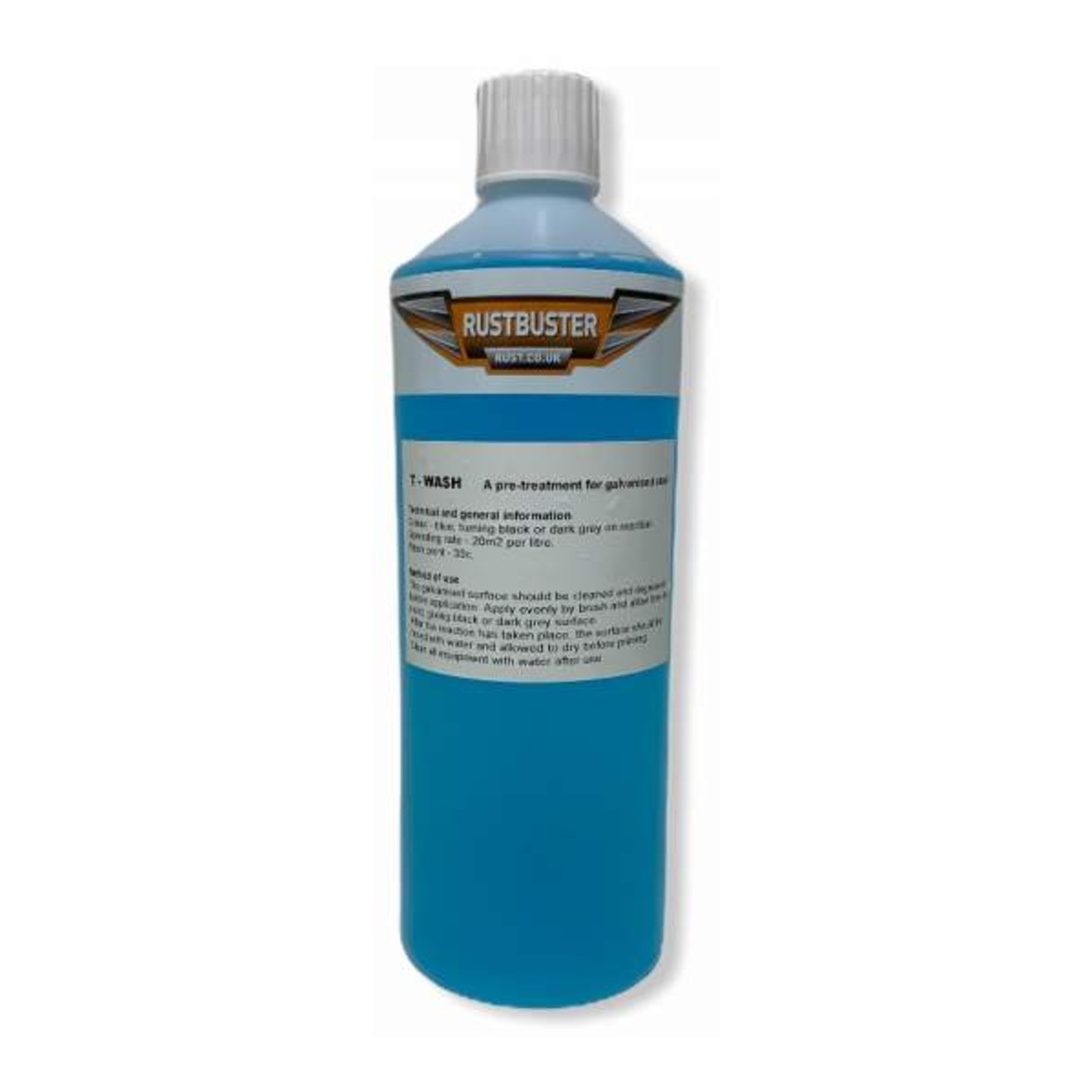
| Bright, shiny galvanising | New zinc, doing its job | Leave it bare, or if you want it painted, prepare it with T-Wash first |
| Dull, even grey | Weathered zinc, still protecting | Leave it, or clean thoroughly and paint |
| White powdery deposits | White rust: the zinc itself corroding | Brush off, clean, and let the zinc dry out (see below) |
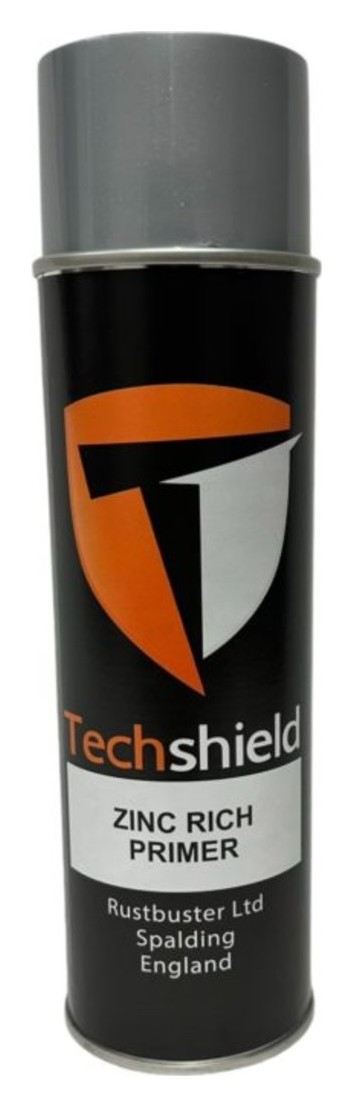
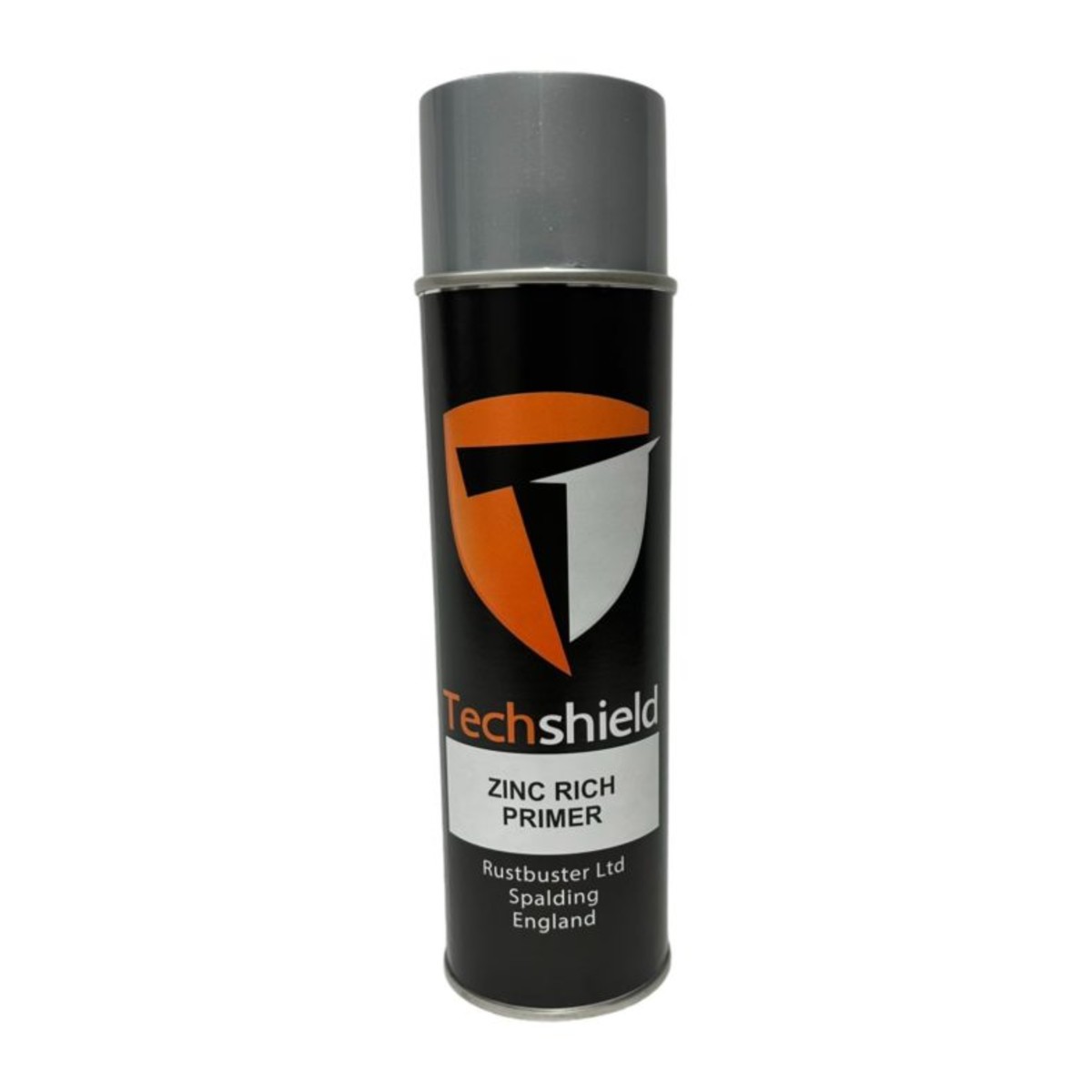
| Cut ends, drilled holes, welds or deep scratches | Bare steel where the zinc has been removed | Seal with Techshield Zinc Rich Primer |
| Red or brown rust spots | The zinc is used up in that area and the steel is rusting | Remove the rust, prime and paint (see the step-by-step below) |
| Painted, non-galvanised steel or iron gate | No zinc; the paint is the only protection | Treat rust with FE-123, then paint with Epoxy Mastic |
White rust: what it is and what to do
White rust is a white, powdery deposit of zinc corrosion. It’s most common on newer galvanising that stays wet without air getting to it, for example gates stacked tightly together, left wrapped in plastic, or lying flat in wet grass. A light dusting is mostly cosmetic. Brush it off with a stiff nylon brush, wash and dry the gate, and store or hang it so air can circulate. Once the zinc can dry out, it builds up its normal dull grey protective layer. If the white rust is heavy and you plan to paint, clean it off completely first, as paint won’t stick to loose deposits.
Painting galvanised gates
You don’t have to paint galvanising, but painting it gives two layers of protection: the paint shields the zinc, and the zinc still protects the steel under any scratches in the paint. The catch is that paint doesn’t grip new galvanising. It carries a greasy film and a smooth passive layer from the galvanising process, which is why paint on a new gate often looks great for a few months and then flakes off.
- New galvanising: degrease with SP10 Tank-Kleen, rinse, then brush on T-Wash. It turns black or dark grey when it has worked. Rinse, dry and paint with Epoxy Mastic. Our T-Wash guide has the full method.
- Weathered galvanising (around two years or more outdoors) has lost most of its greasy film naturally, so it doesn’t need T-Wash, but it still needs a thorough clean before painting.
Fixing rust on an old galvanised gate
Rust usually breaks through first on the bottom rail, around the hinge eyes and latch, at welds and drilled holes, and wherever animals rub. If you can, lift the gate off its hinges and lay it on trestles: it’s far easier to reach the bottom rail and the hinge areas. Pick a dry day, as Rustbuster coatings should go on steel at least 3°C above the dew point.
Clean the whole gate
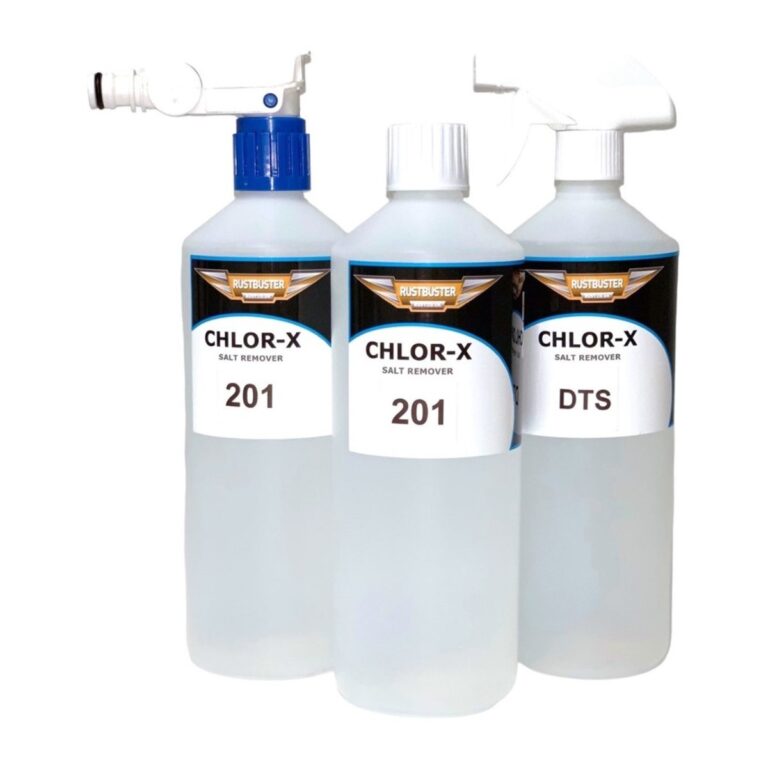
Scrub off dirt, algae and grease with SP10 Tank-Kleen diluted 1:4, or Safer Degreaser, and rinse. For gates beside salted roads or near the coast, follow with Chlor-X Salt Remover, as painting over salt lets rust come straight back.
Remove the rust, not the zinc
Wire brush the rusty spots back to firm metal, but stay off the sound galvanising around them. Don’t grind the zinc off to make paint stick: you’d be removing the protection. Drop rusty bolts, latches and small fittings into Safer Rust Remover.
Prime the bare spots
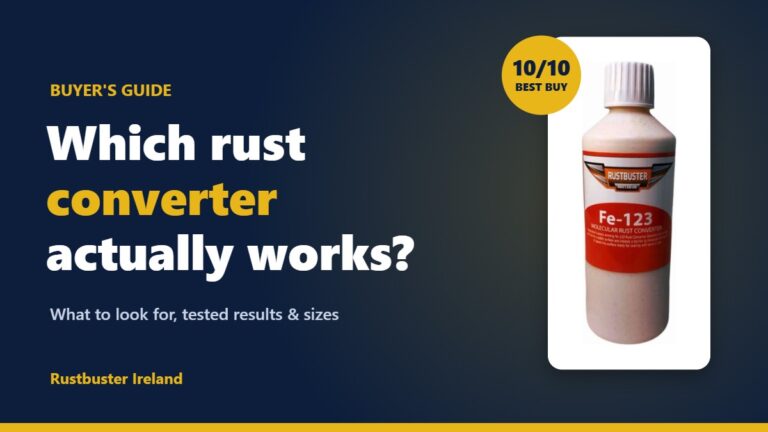
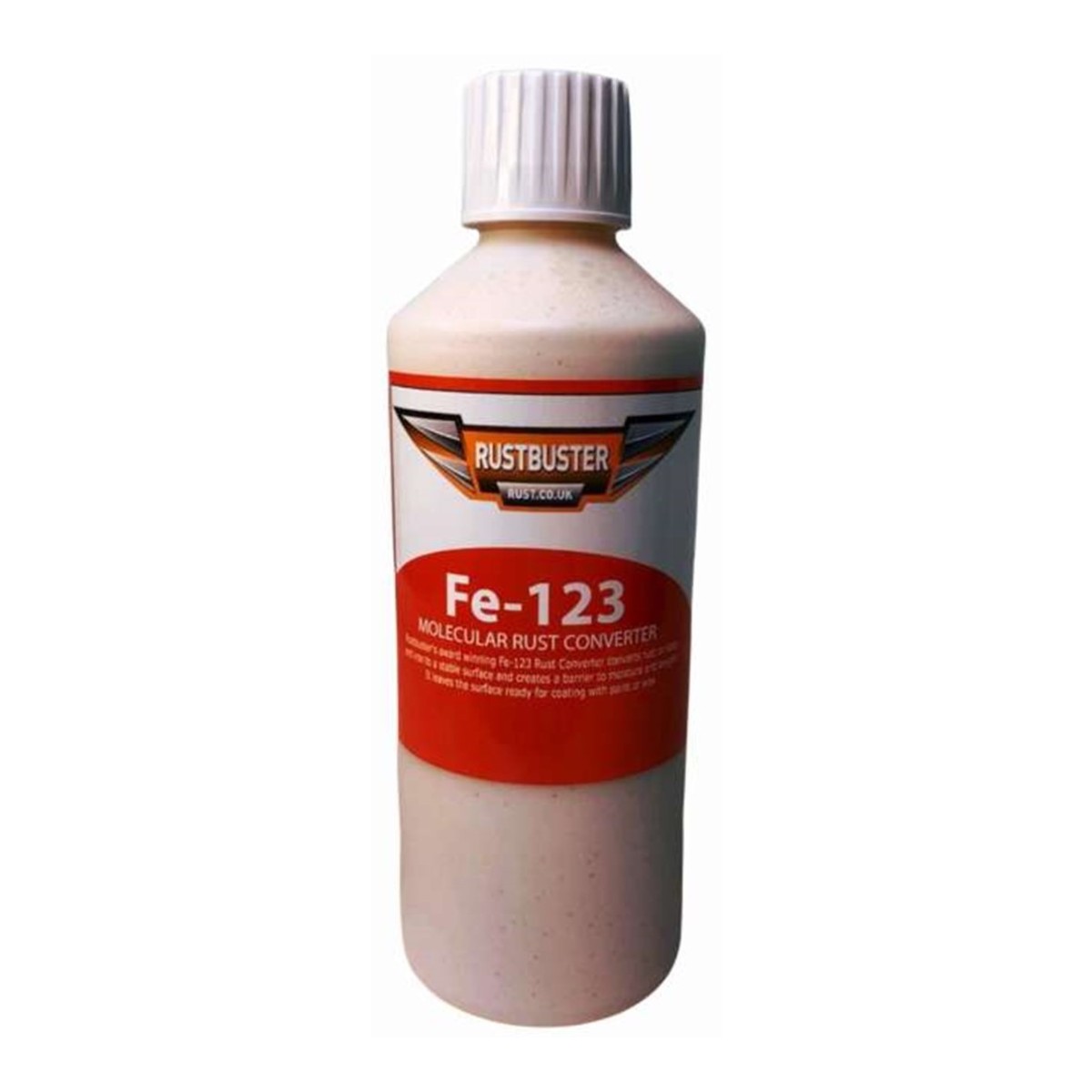
Where you’ve got back to bright, clean steel, restore the zinc: Techshield Zinc Rich Weldable Primer has 90% zinc in the dry film and matches old galvanising, which is ideal for spots and welds. For larger areas, brush Zinc Rich Epoxy-Anode. Where rust is left deep in pits you can’t clean out, use FE-123 Rust Converter instead, and let it turn black.
Paint with Epoxy Mastic
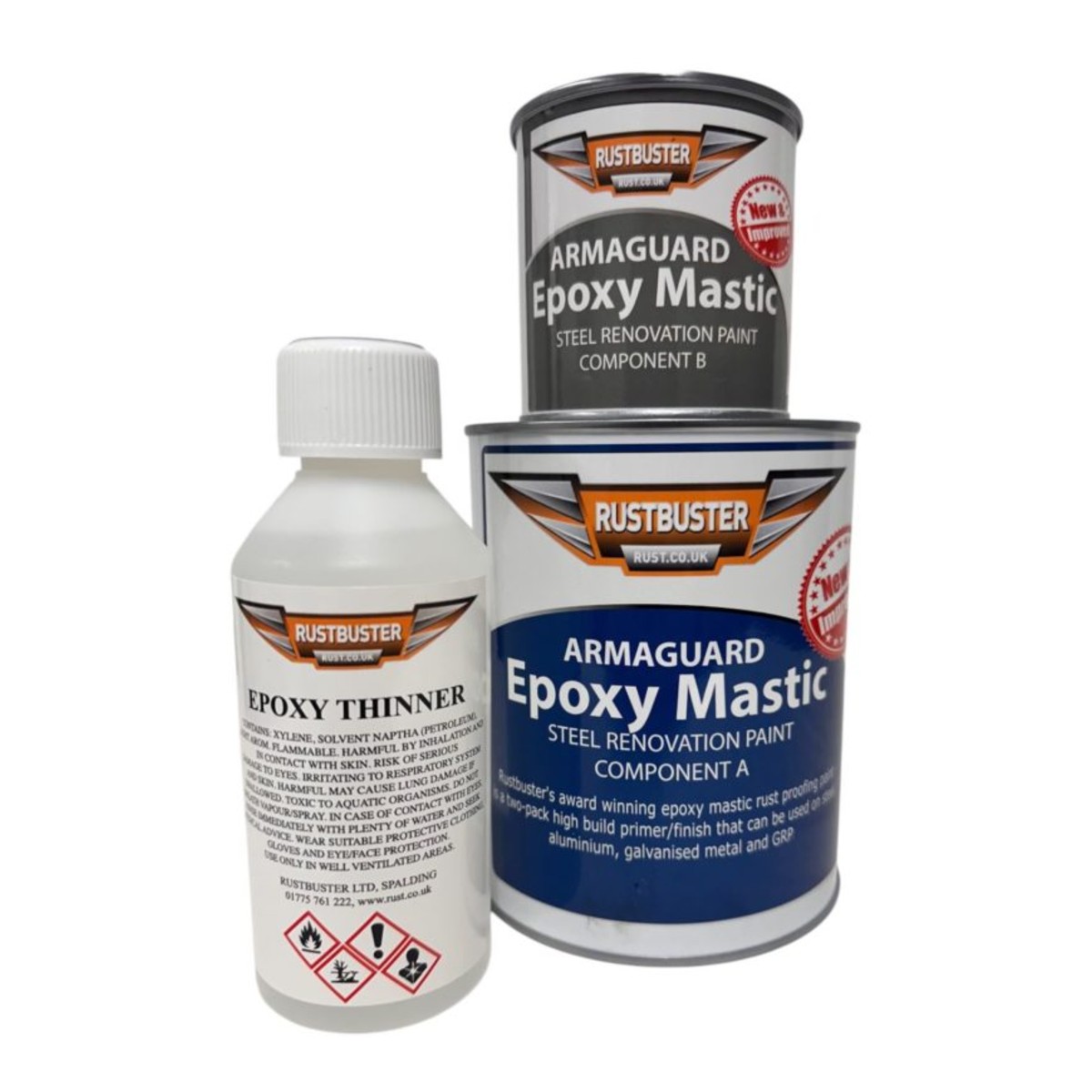
Rustbuster’s Armaguard Epoxy Mastic grips wire-brushed steel with the performance of a coating over blast-cleaned metal. Mix 3:1, and brush a high-build coat over the whole gate, working it into the pits. Apply a second coat any time after about 5 hours at 20°C. It works as a primer and finish in one, in black and a range of greys.
Add a topcoat if you want one
Epoxy Mastic can be over-painted with single- or two-pack paints. For railings and garden gates, Techshield Gloss Black or Satin Black aerosols give a classic finish that’s weather- and UV-resistant. See our Techshield aerosol guide.
Look after the hinges and latch
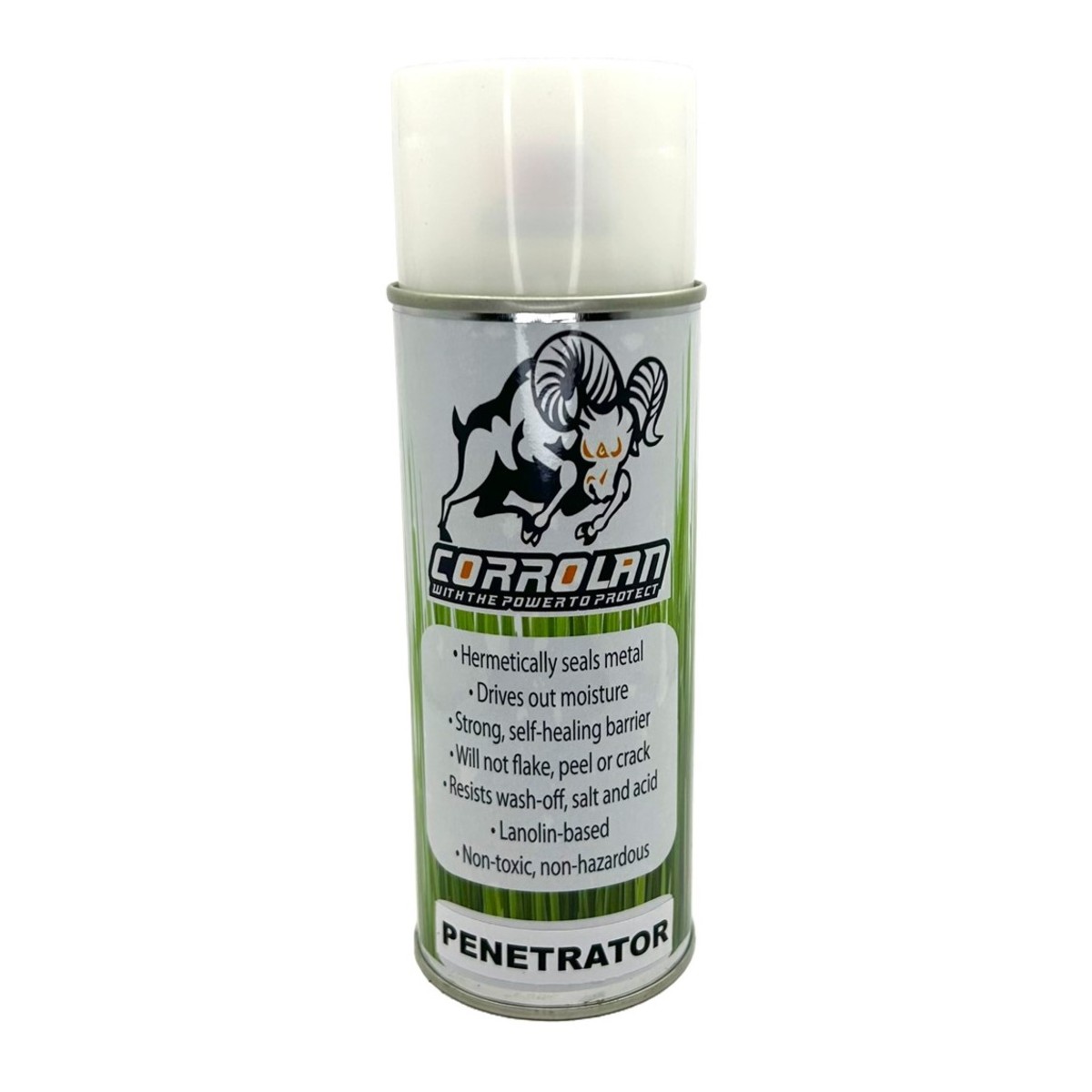
Spray hinge pins, eyes, latches and bolts with Corrolan Penetrator. The lanolin creeps into threads and fine gaps, drives out moisture and keeps moving parts lubricated and free from corrosion.
- Zinc primer or FE-123, not both. The converter’s barrier stops zinc making electrical contact with the steel, so use one or the other on any given spot.
- Don’t forget the hidden faces. The underside of the bottom rail and the inside of the hinge eyes rust first. Paint them before anything else.
- Keep the bottom rail out of the wet. Trim grass and clear mud away from the bottom of the gate, and make sure it doesn’t sit in a puddle when closed.
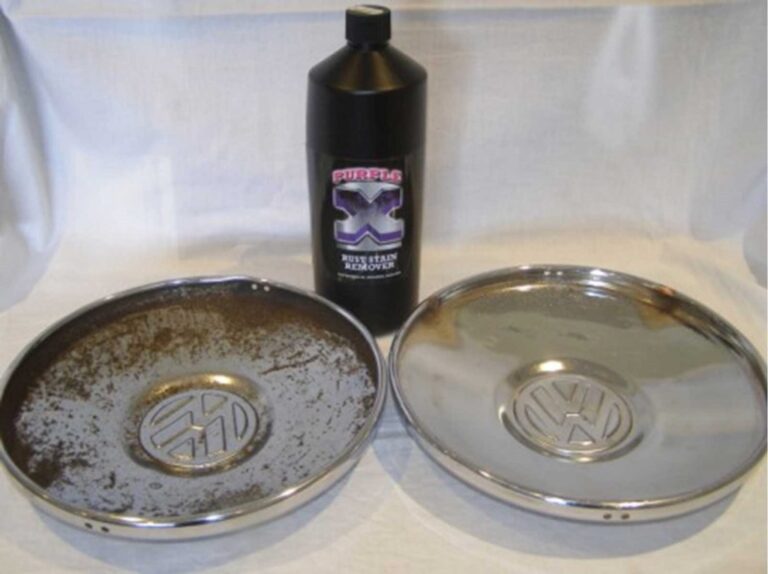
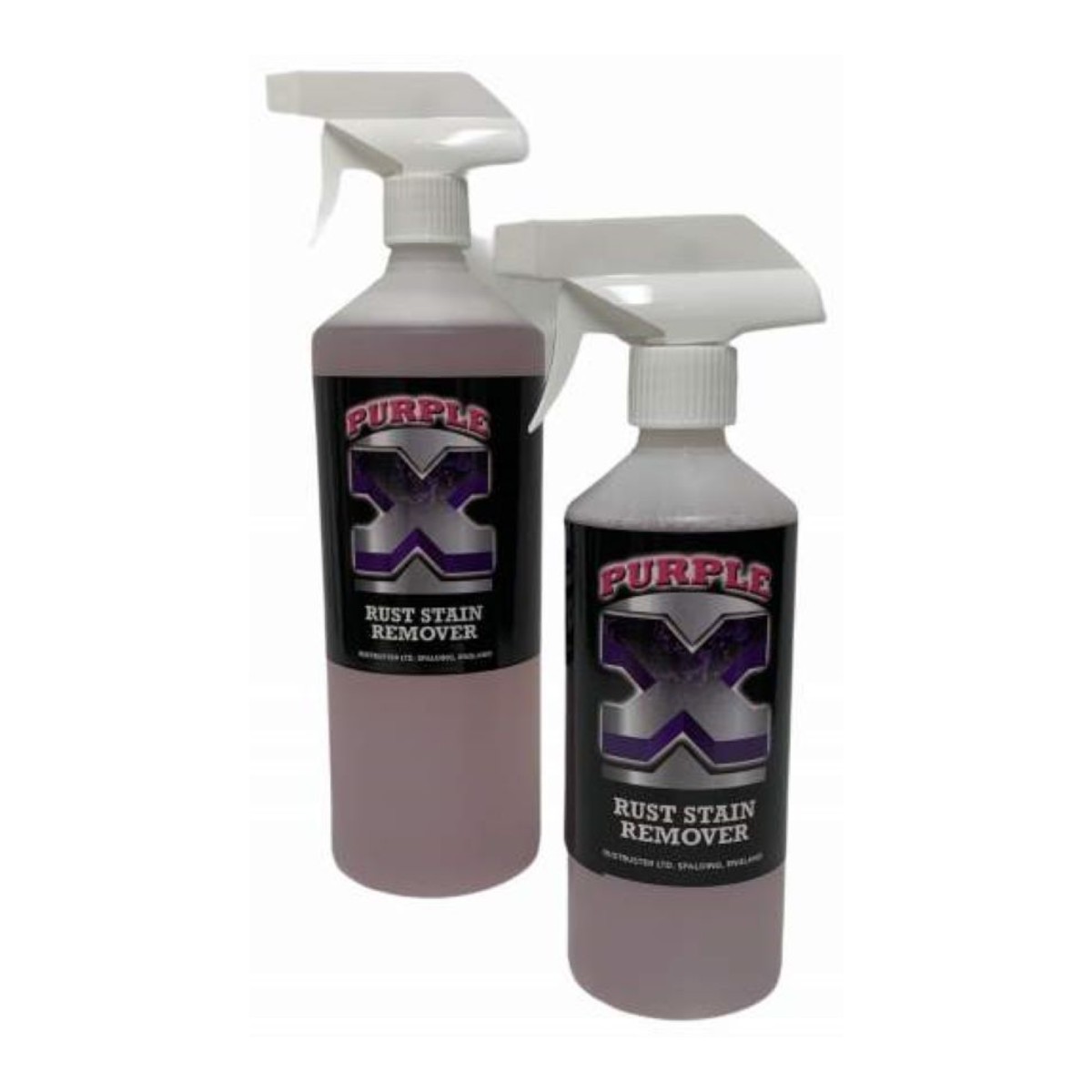
- Rust stains on pillars or paving? Purple-X is a pH-neutral rust stain remover that also works on concrete and stone. See our Purple-X guide.
Painted steel and wrought iron gates
Older garden gates and railings are often plain steel or iron with no zinc, so the paint is the only thing between the metal and the weather. The fix is the same system without the zinc: clean and degrease, remove loose rust and flaking paint back to a firm edge, convert remaining rust with FE-123 (it turns purple, then black, in 15–60 minutes, and needs no washing off), then brush on two coats of Epoxy Mastic and finish with a topcoat if you like. For ornate scrollwork, a small brush and patience beat a spray gun. See our guide to rust removers vs rust converters.
Galvanised gate FAQs
Can you paint a galvanised gate?
Yes, with the right preparation. Degrease new galvanising and treat it with Rustbuster T-Wash until it turns black or dark grey, then rinse, dry and paint with Epoxy Mastic. Weathered galvanising doesn’t need T-Wash, but it does need a thorough clean.
Why is the paint peeling off my galvanised gate?
New galvanising has a greasy film and a smooth passive layer that stop paint gripping. If it was painted without degreasing and a mordant treatment like T-Wash, the paint will flake. Strip the loose paint, then prepare and repaint properly.
What is white rust on galvanised steel?
White rust is a white, powdery zinc corrosion product that forms when galvanising stays wet without air, such as gates stacked tightly or wrapped in plastic. Light white rust is mostly cosmetic: brush it off, clean the gate and let the zinc dry out.
How do I fix rust on a galvanised gate?
Clean the gate, wire brush the rust spots back to firm metal without grinding off the sound zinc, and prime bright bare steel with Techshield Zinc Rich Weldable Primer or Zinc Rich Epoxy-Anode. Use FE-123 on pitted rust you can’t clean out. Then paint with Epoxy Mastic.
What paint should I use on a rusty wrought iron gate?
Remove loose rust and flaking paint, convert remaining rust with FE-123, then brush on two coats of Rustbuster Epoxy Mastic. It grips wire-brushed steel and works as a primer and finish in one. Add a Techshield gloss or satin black topcoat if you want a traditional finish.
How do I stop gate hinges rusting?
Paint the hinge eyes and brackets, then spray the pins and moving parts with Corrolan Penetrator. The lanolin creeps into fine gaps, drives out moisture and keeps the hinges lubricated and free from corrosion. Top it up once a year.
More guides: how to paint galvanised steel with T-Wash, zinc-rich epoxy primer, how to use Epoxy Mastic and rustproofing trailers and farm machinery.