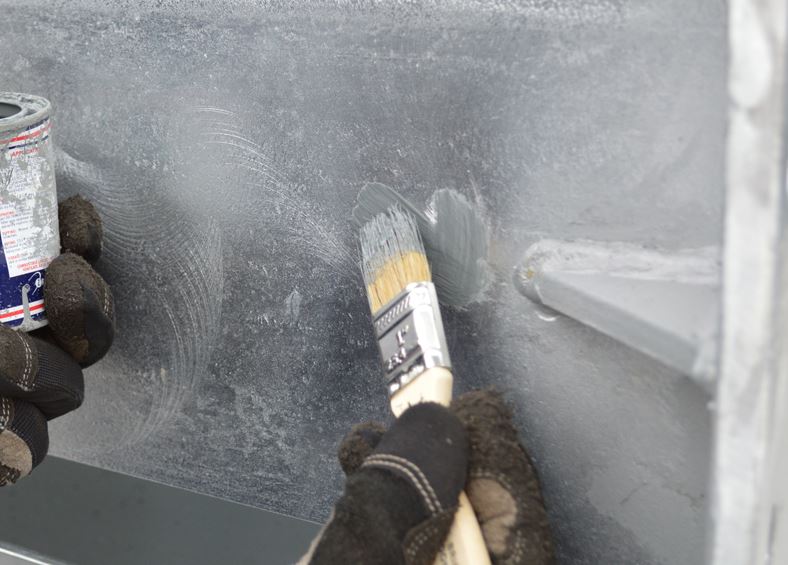
Zinc Rich Epoxy Primer: How Rustbuster Zinc Rich Epoxy-Anode Works and How to Use It
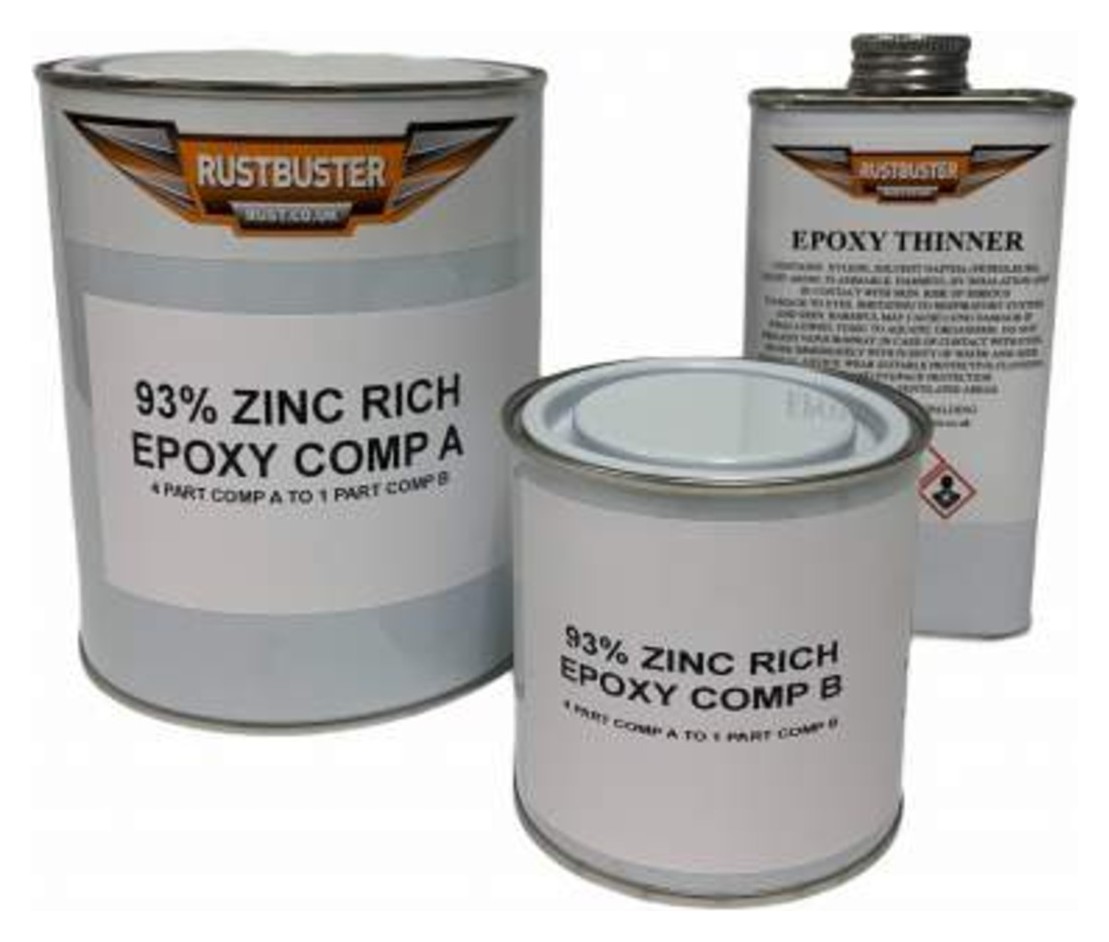
Most primers protect steel by covering it. A zinc-rich primer goes a step further: it actively sacrifices itself to protect the steel underneath, the same principle that keeps galvanised steel rust-free for decades. Rustbuster Zinc Rich Epoxy-Anode packs 93% zinc solids into a tough epoxy resin, giving you both a barrier and that sacrificial protection in one coat. Here’s how it works and how to get the best from it.
How zinc protects steel
When two different metals are in contact with moisture, the less “noble” one corrodes first. Zinc is less noble than steel, so when the two are in direct metal-to-metal contact, the zinc becomes a sacrificial anode: it slowly corrodes instead of the steel. This is called cathodic protection. It’s why galvanised gates last so long, and why boats carry zinc anodes. (We explain the science in Understanding Rust.)
The clever part is what happens when the coating gets damaged. If a stone chip or scratch cuts through the topcoat and primer to bare steel, the zinc around it reacts to form zinc salts that effectively self-heal the damaged area, sealing it and stopping rust getting a foothold. An ordinary primer can’t do that: once it’s breached, rust starts creeping underneath.
Zinc-rich vs zinc phosphate: not the same thing
Plenty of primers mention zinc, but the amount matters. Zinc phosphate primers contain around 27% zinc and act as corrosion inhibitors only. To give true cathodic protection, a coating needs at least 77% zinc dust so the particles touch each other and the steel. Rustbuster’s zinc-rich primers contain 90–93%, and Zinc Rich Epoxy-Anode contains 93%.
When to use Zinc Rich Epoxy-Anode
- Freshly blasted chassis, subframes, suspension parts and body shells
- Bare-metal repairs and new steel panels during a restoration
- Damaged galvanising, such as weld repairs and cut edges on gates and trailers
- Machinery, agricultural and structural steel that takes knocks
- Anywhere you want the toughest possible base under an epoxy paint system
For small spot repairs and weld seams, Techshield Zinc Rich Weldable Primer gives you zinc protection from an aerosol.
In the kit and key figures
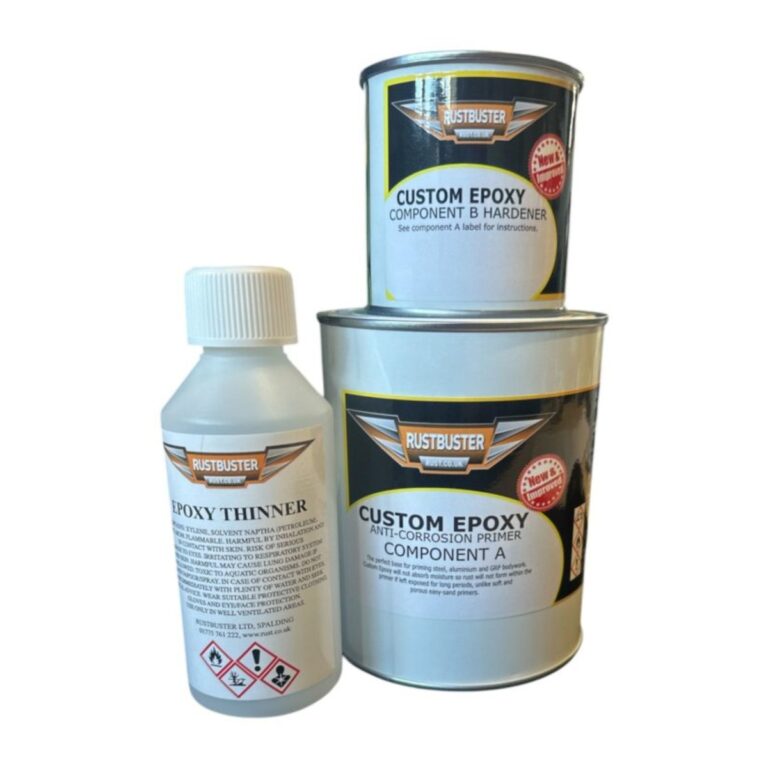
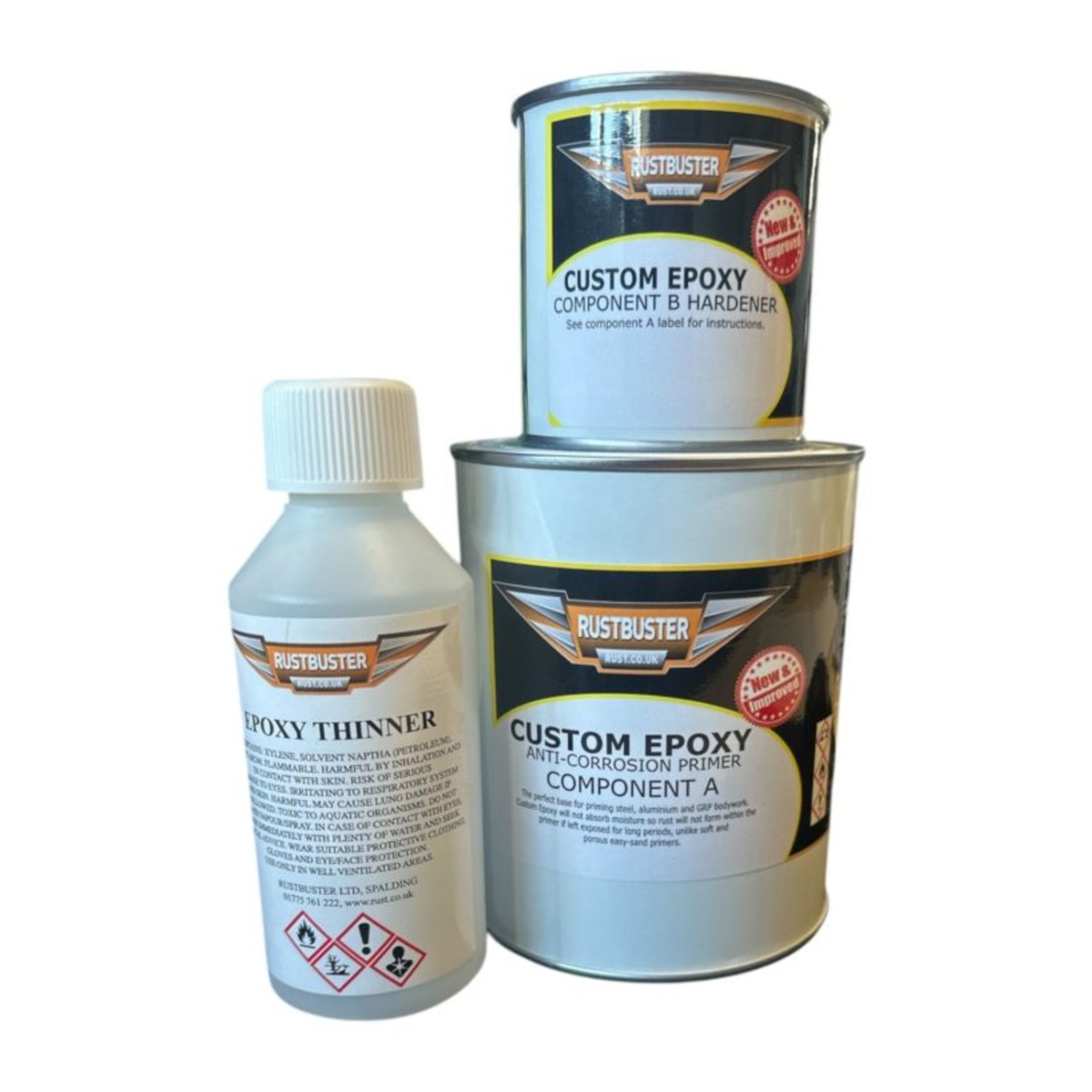
- 1.25L kit: 850ml base (zinc), 150ml hardener, 250ml epoxy thinner
- Mix ratio: 8.5 parts base to 1.5 parts hardener, by volume
- Thinning: 5–20% maximum, using only the epoxy thinner supplied
- Pot life: 2.5 hours at 20°C (longer when colder)
- Application temperature: steel at 5°C or above, and at least 3°C above the dew point
- Spraying: minimum 1.8mm nozzle or high-build primer set-up
- Storage: upside down, dry, around 20°C; 12-month shelf life
How to use Zinc Rich Epoxy-Anode
Prepare the steel to St3 or blast clean
Remove all rust, old paint and mill scale back to bright, bare metal by blasting or power-tool cleaning. The zinc needs direct contact with the steel to work.
Remove salts, grease and moisture
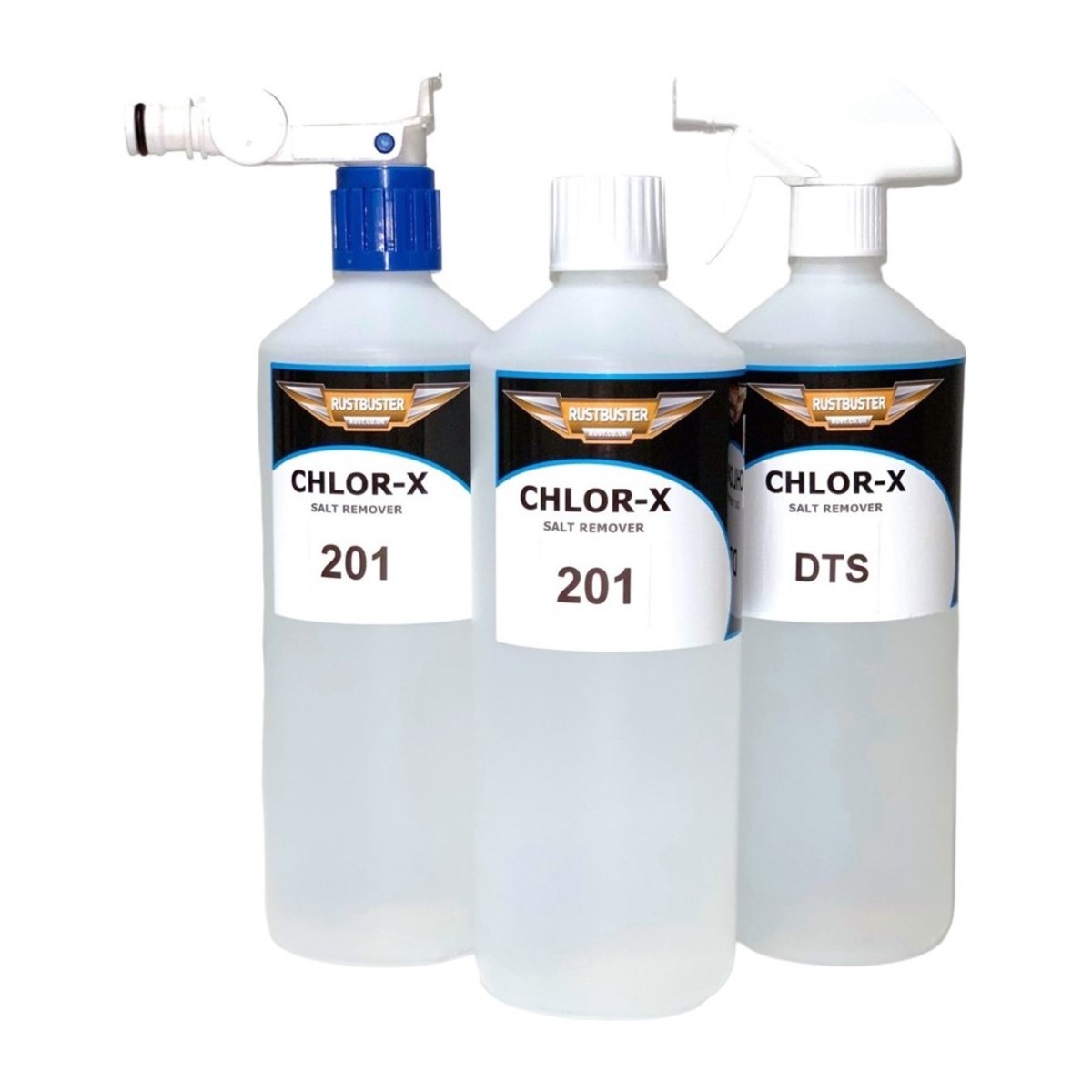
Wash away invisible salts with Rustbuster Chlor-X, then wipe down with Pre-Paint Panel Wipe to remove grease, fingerprints and moisture just before painting.
Check the conditions
The steel must be at least 5°C and at least 3°C above the dew point, otherwise condensation can form under the coating. Rustbuster’s dew point calculator helps here.
Mix and thin
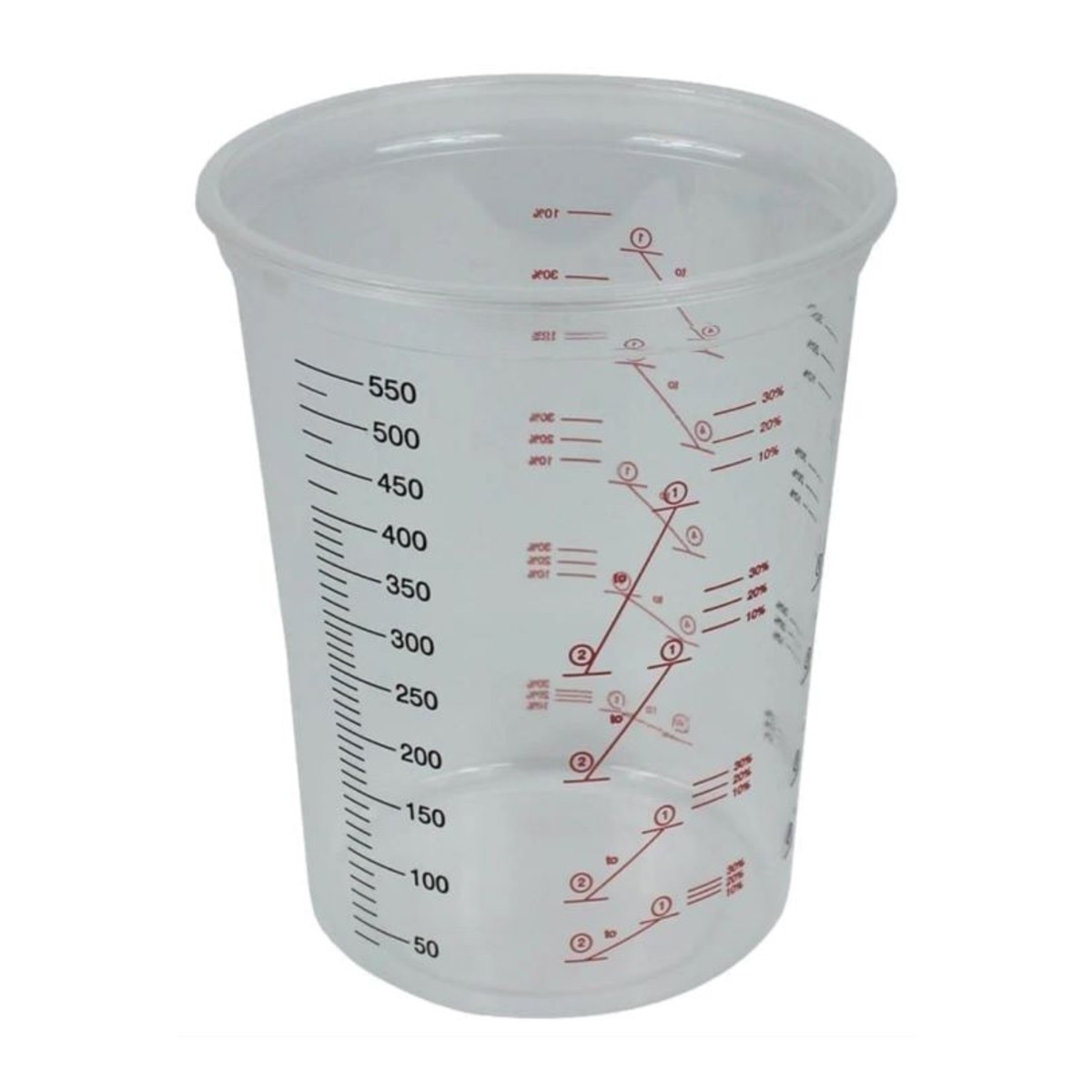
Stir the zinc base thoroughly, as zinc settles. Mix 8.5 parts base to 1.5 parts hardener by volume using graduated mixing cups, then thin by 5–20% with the supplied epoxy thinner only. Never thin with standard thinner, as it affects the cure.
Brush or spray
Apply an even coat by brush or spray (1.8mm nozzle or larger). Use the mix within its 2.5-hour pot life, and let any leftover cure in the cup before disposing of it as dry waste.
Build the system
Zinc Rich Epoxy-Anode is designed as the base of a complete system. It’s fully compatible with Rustbuster Epoxy Mastic and Custom 421 Epoxy Primer. Follow the technical data sheet for overcoating times.
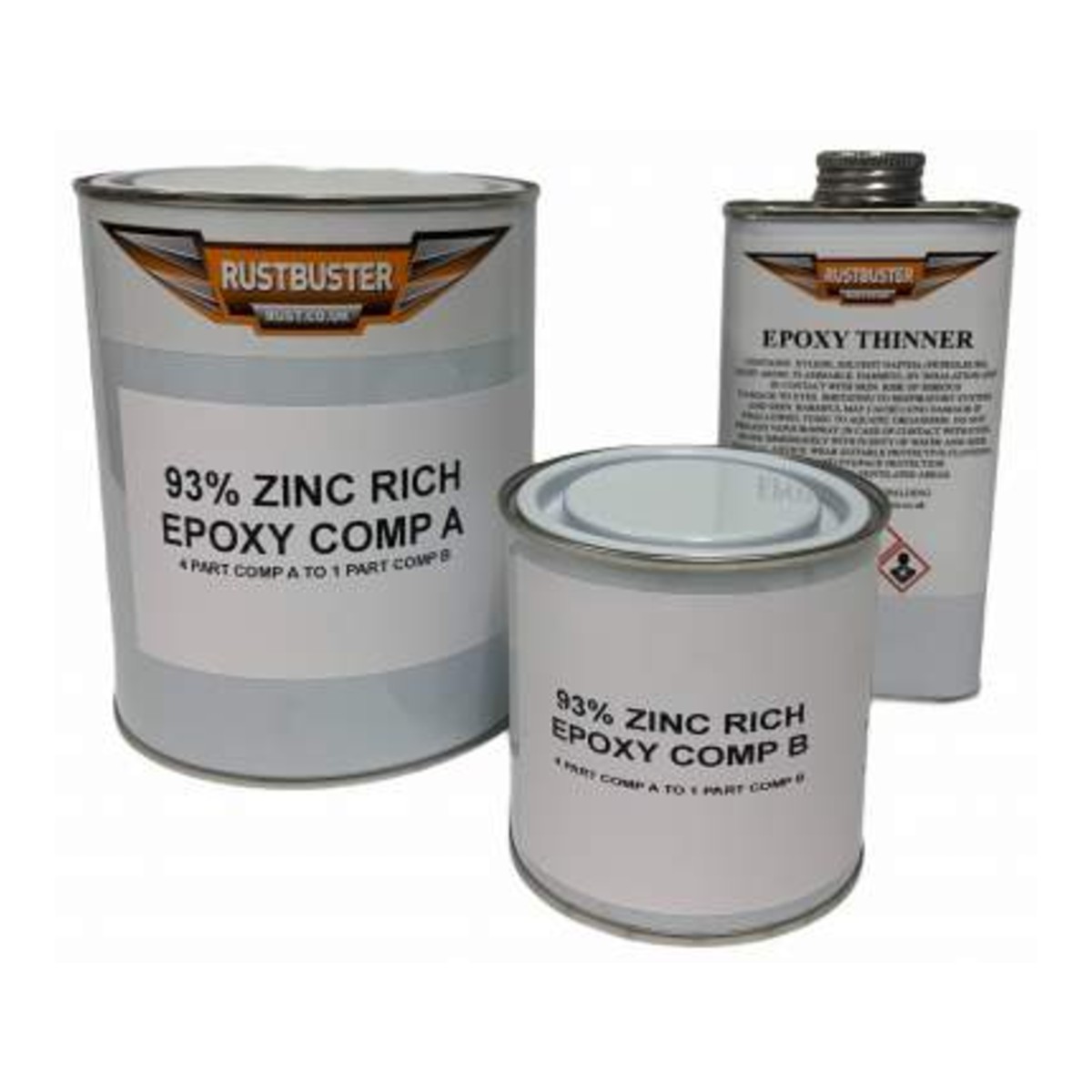
Zinc rich primer FAQs
What is a zinc rich primer?
A primer loaded with enough zinc (at least 77% zinc dust) to give cathodic protection: the zinc corrodes sacrificially instead of the steel. Rustbuster Zinc Rich Epoxy-Anode contains 93% zinc solids in an epoxy resin, so it protects as both a barrier and a sacrificial anode.
What is the difference between zinc rich and zinc phosphate primer?
Zinc phosphate primers contain around 27% zinc and only inhibit corrosion. Zinc-rich primers contain at least 77% zinc dust, enough for the particles to touch each other and the steel and give true sacrificial (cathodic) protection.
Can I put zinc rich primer over rust?
No. Zinc needs direct metal-to-metal contact with the steel to protect it, so the surface should be blast cleaned or power-tool cleaned to St3 standard. For rusty areas you can’t take back to bare metal, use a rust converter such as FE-123 and an epoxy paint instead.
What can I paint over Zinc Rich Epoxy-Anode?
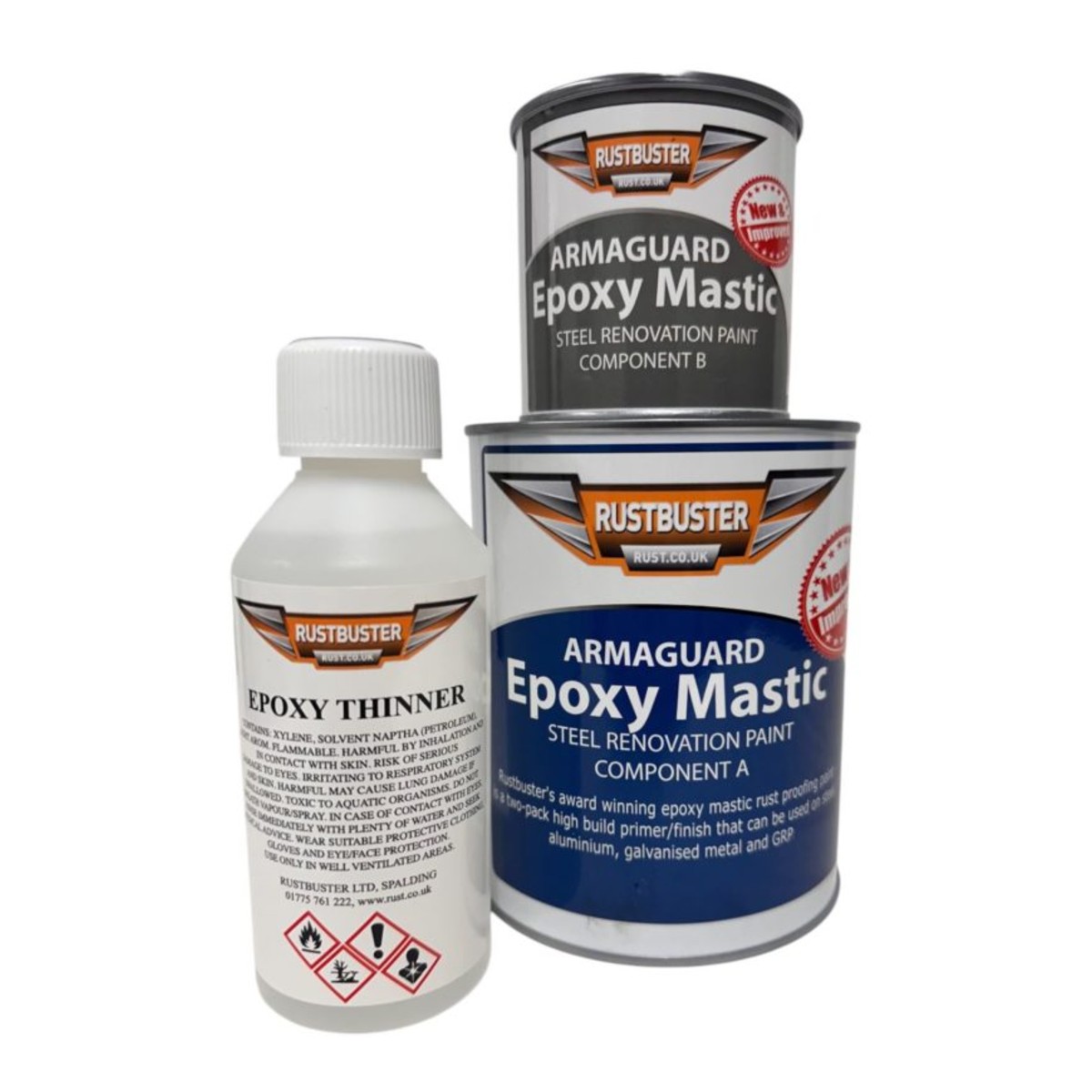
It’s fully compatible with Rustbuster Epoxy Mastic and Custom 421 Epoxy Primer, which is how it’s designed to be used: as the base of a complete rust-proofing system.
What is the mix ratio for Zinc Rich Epoxy-Anode?
8.5 parts base (zinc) to 1.5 parts hardener by volume, thinned 5–20% with the supplied epoxy thinner. Pot life is 2.5 hours at 20°C.
Is zinc rich primer the same as galvanising?
It works on the same sacrificial principle as galvanising, where zinc protects steel by corroding first, but it’s applied as a paint rather than by dipping in molten zinc. That makes it ideal for restoring protection on repairs, welds and parts that can’t be galvanised.
More on building a rust-proof paint system: how to use Epoxy Mastic, Custom 421 Epoxy Primer, how to paint galvanised steel and surface preparation.