Engine Flush, Stop Leak and Driveline Flush: Oil System Treatments Explained
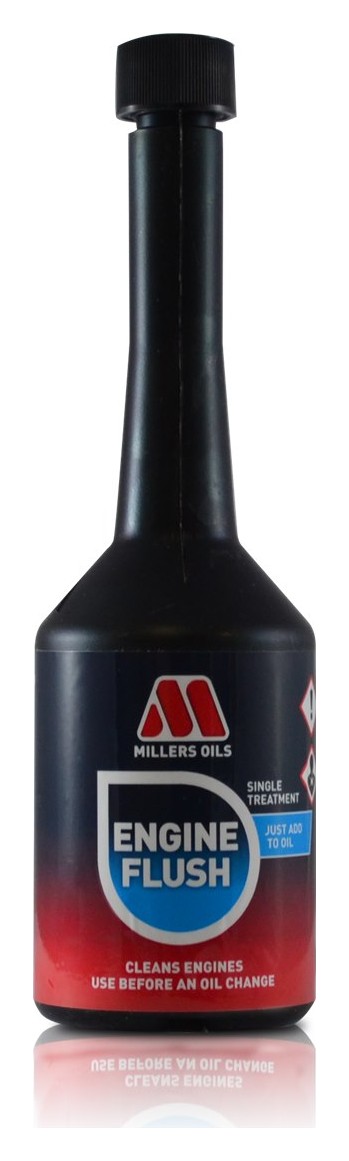
Fresh oil works best in a clean engine and gearbox. Pour new oil into a system full of sludge, and some of it mixes straight in, shortening the life of the oil you’ve just paid for. Old, hardened seals start to weep, and sometimes a freshly rebuilt engine just won’t bed in. Millers’ oil-system treatments deal with each of these. This guide explains what each one does, when to use it, and when a treatment isn’t the answer.
Which oil treatment do you need?
| Your situation | Use this | When |
|---|---|---|
| Oil change due, and you want to clean out sludge and deposits first | Engine Flush | Just before an engine oil change |
| Engine, gearbox or axle weeping oil from old, hardened seals | Stop Leak | Added to the oil, and left in |
| Gearbox, diff, transfer box or power steering fluid change due | Driveline Flushing Oil | Just before a driveline fluid change |
| Rebuilt engine that hasn’t bedded in properly | Liquid Glaze Bust | For a maximum of 200 miles, to restart running in |
Millers Engine Flush
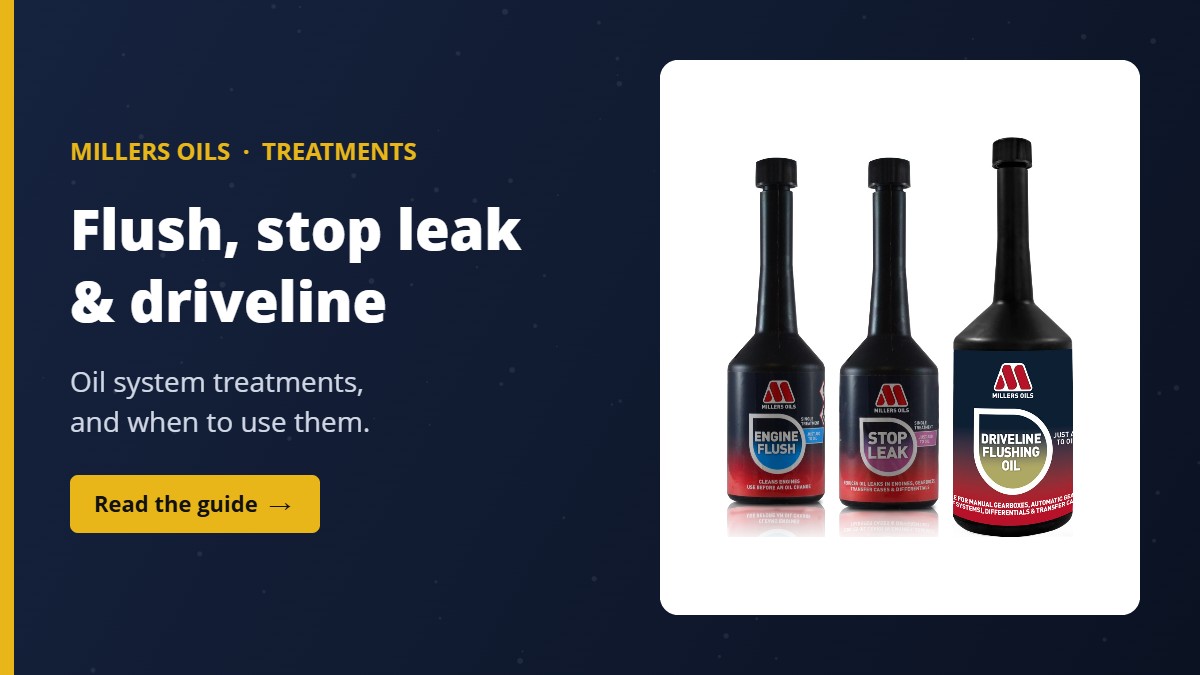
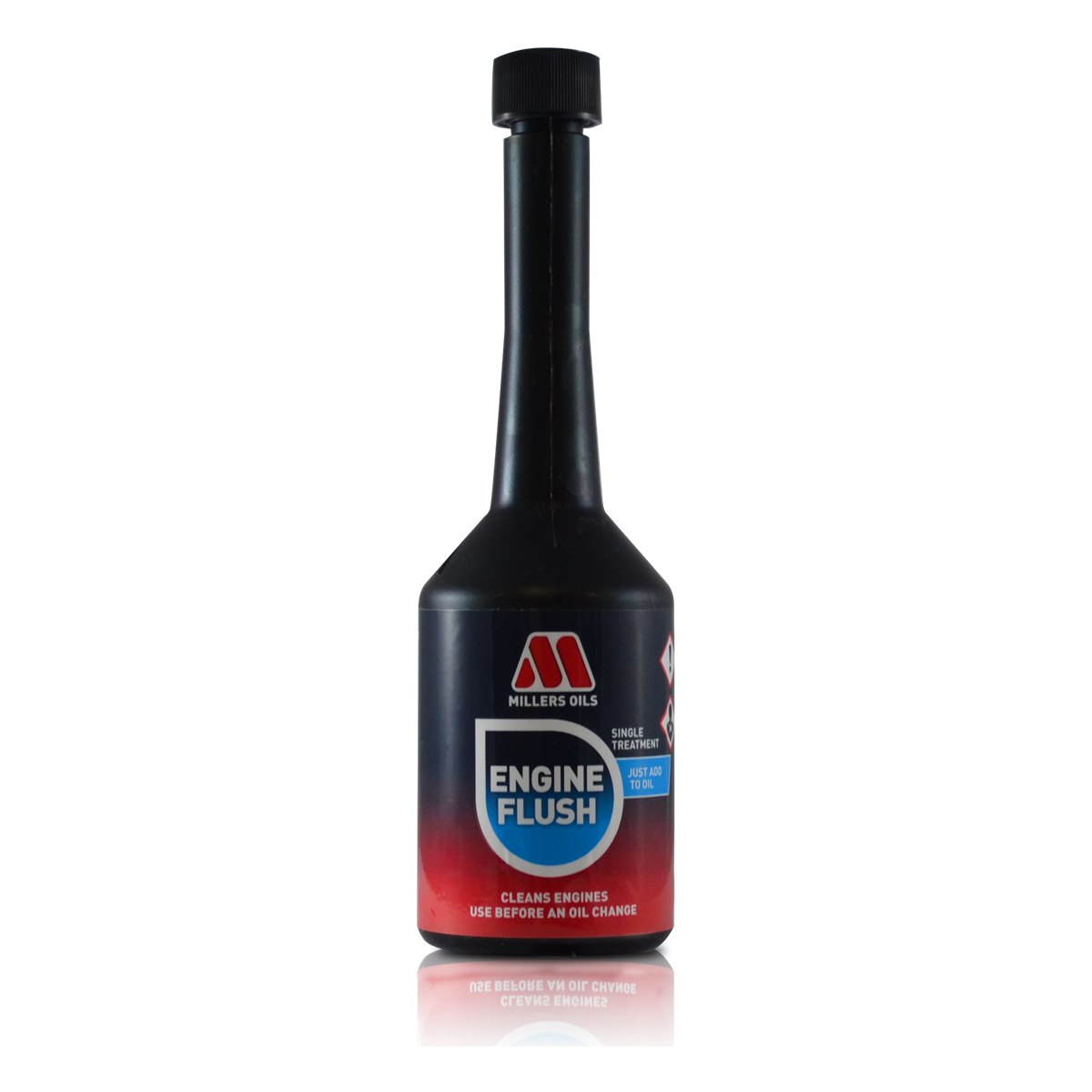
Millers Engine Flush is a fully synthetic, oil-based flush with advanced additives. It’s added to the old oil just before an oil change, and it cleans the oilways by dissolving sludge, lacquer, varnish and insoluble deposits. It also:
- frees sticking variable valve timing (VVT) units, hydraulic lifters and piston rings
- makes sure oil can flow freely to critical moving parts
- provides anti-wear protection while it works, and neutralises crankcase acids
- is compatible with all engine oils, in all petrol and diesel cars and light commercials
Add it to the old oil
Add one 250ml bottle to the oil in the engine. One bottle treats up to 6 litres of engine oil.
Idle for 15–20 minutes
Let the engine idle so the flush circulates through the oilways. Don’t drive the car.
Drain, change the filter and refill
Drain the oil, fit a new oil filter, and refill with the recommended grade of Millers engine oil. Use our Find Your Oil tool to check the grade.
On a very neglected engine that’s been flushed for the first time, it’s worth doing the next oil and filter change a little early to catch any loosened deposits.
Millers Stop Leak
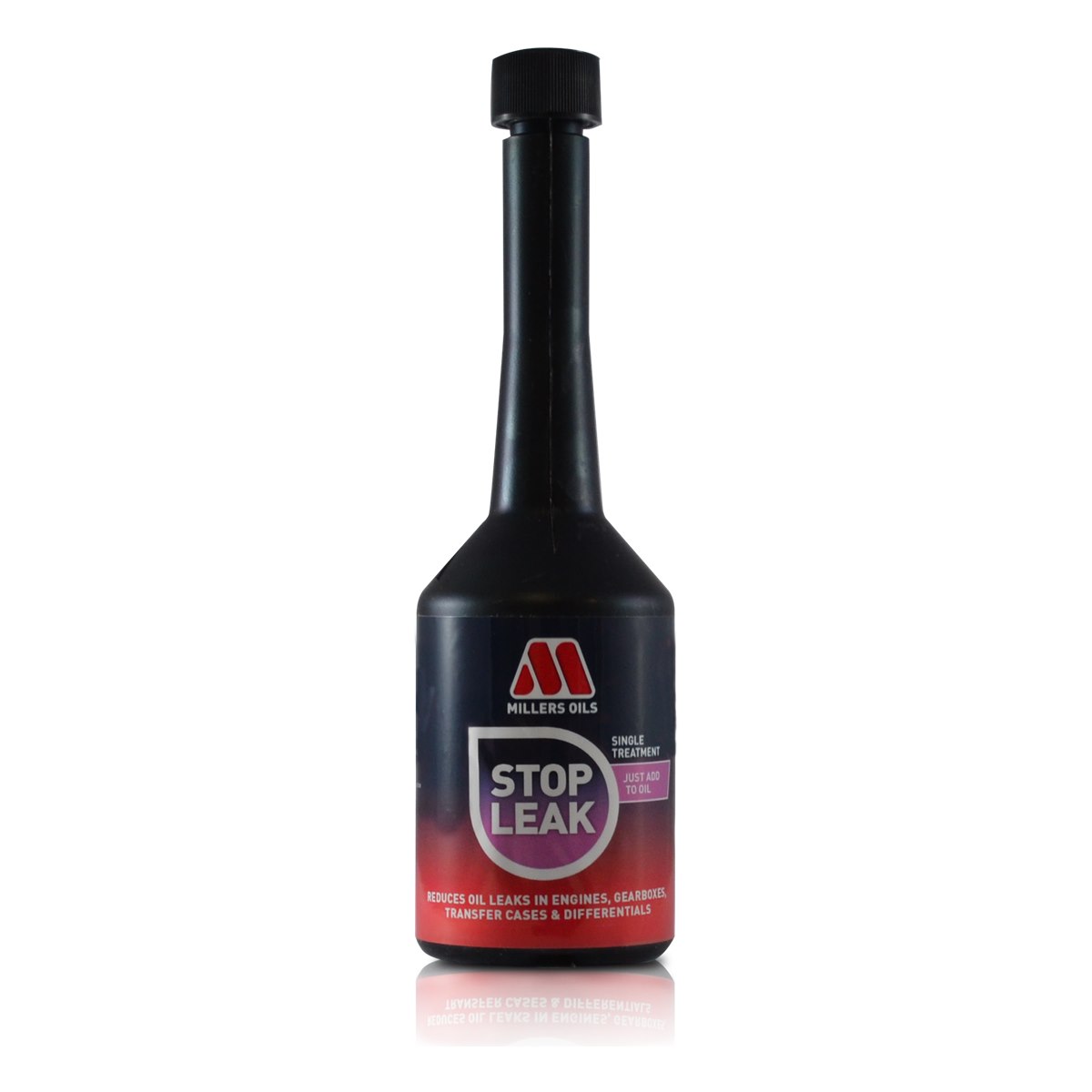
As engines age, rubber seals harden and shrink, and oil starts to weep past them. Millers Stop Leak is added to the oil in the engine, gearbox or axle, where it reconditions old, hardened or leaking seals to help restore oil-tightness. It’s for all petrol and diesel cars and light vans: add the contents of the 250ml bottle to the oil, and leave it in. One bottle treats up to 5 litres of engine, gearbox or differential oil.
Millers Driveline Flushing Oil
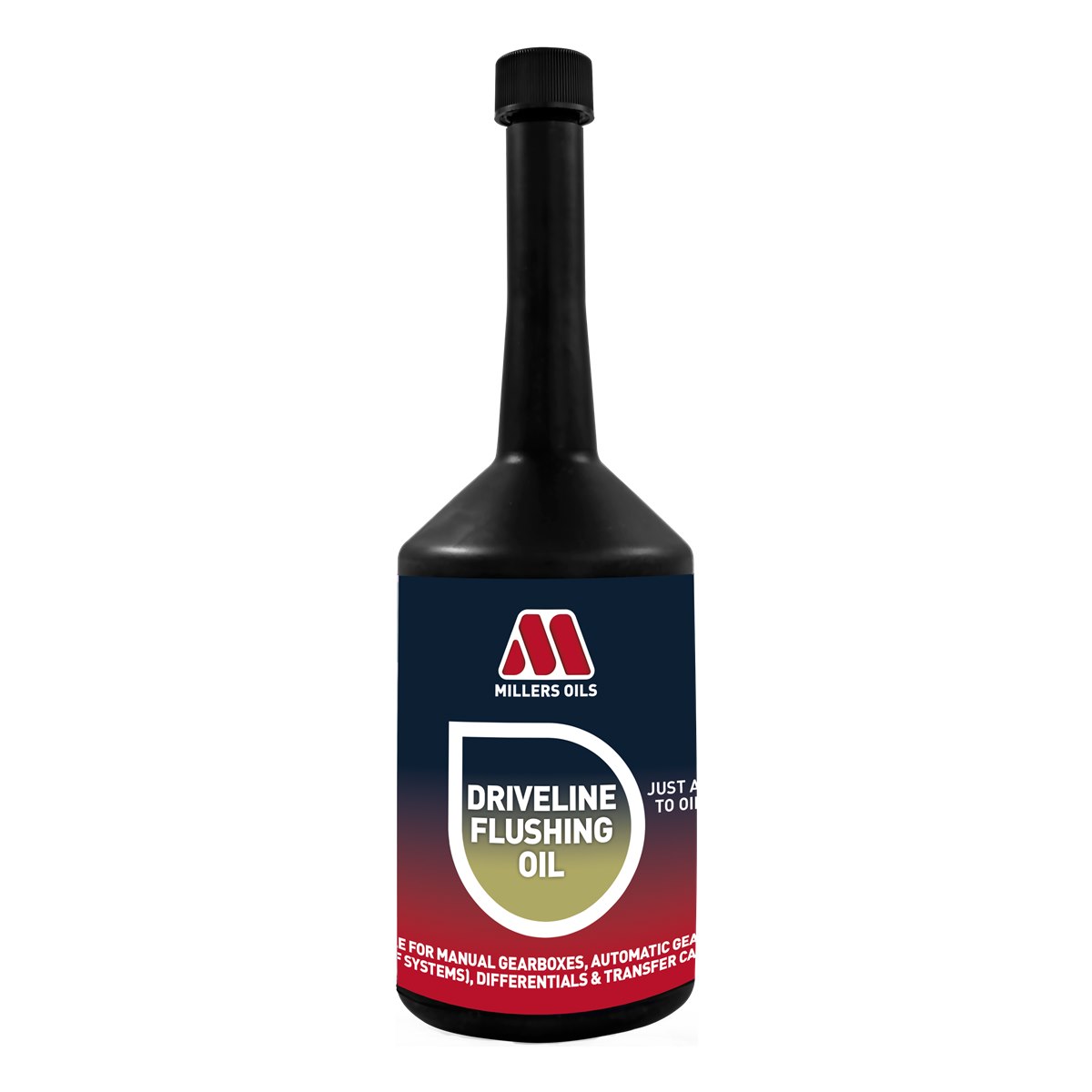
Gearboxes and diffs collect sludge and wear debris too, and draining the old fluid never gets it all out. Millers Driveline Flushing Oil is added to the old fluid before a drain and refill, lifting debris and contaminants so less of the old fluid’s dirt carries over into the new. Unlike solvent-based flushes, it’s oil-based and gentle on different materials and seal types.
- Suitable for manual gearboxes, automatic gearboxes (ATF systems), differentials, transfer cases and power steering systems
- For petrol and diesel cars and light commercials, including hybrids
- One 500ml bottle treats up to 12 litres of driveline oil
Shake and add
Shake the bottle well and add the full contents to the oil in the gearbox, differential, transfer case or power steering system.
Drive for at least 15 minutes
Drive the vehicle so the flush circulates through the whole system.
Drain and refill with fresh fluid
Drain the old fluid and refill with the correct new fluid. See our gearbox oil guide and power steering fluid guide.
Millers Liquid Glaze Bust: when running in fails
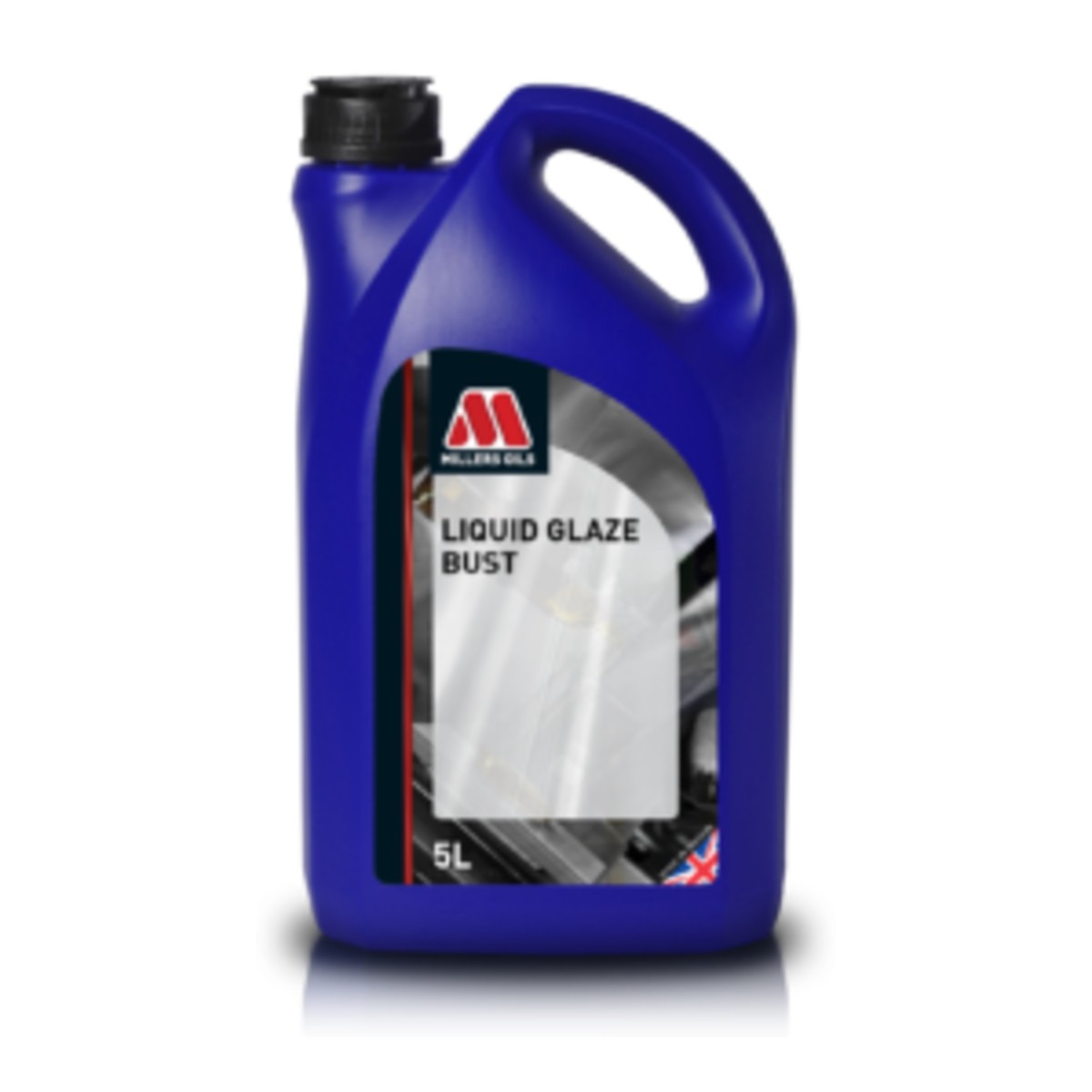
Occasionally, a freshly rebuilt engine never beds in. The bores glaze over, the rings don’t seal, and the engine burns oil and lacks compression. Stripping it again is expensive. Millers Liquid Glaze Bust is designed to restart the arrested bedding-in of a rebuilt engine. It lets the piston rings and bores begin to run in properly again, while protecting the valve train and bearings.
- Use it in engines showing signs of arrested running in
- Don’t use it for more than 200 miles, then change to the correct oil
- Millers advise varying the engine speed around peak torque, with the engine under load but not labouring
- Supplied in a 5 litre container
To avoid needing it, run your rebuild in properly from the start. See our guides to running in a rebuilt classic engine and running in a race engine.
Mistakes to avoid
- Driving with Engine Flush in the oil. It’s a pre-drain treatment: idle, then drain.
- Flushing without changing the filter. Always fit a new filter so the loosened dirt doesn’t go straight back into the fresh oil.
- Expecting Stop Leak to fix a damaged seal. It helps hardened seals, not torn ones or failed gaskets.
- Using Driveline Flush in a DSG or CVT. It isn’t suitable for those transmissions.
- Leaving Glaze Bust in too long. A maximum of 200 miles.
- Using solvent flushes. Aggressive solvents can harm seals; Millers’ flushes are oil-based.
Oil treatment FAQs
Is an engine flush safe?
Millers Engine Flush is a fully synthetic, oil-based flush that’s compatible with all engine oils and suitable for all petrol and diesel cars and light commercials. It provides anti-wear protection while it works. Follow the directions: idle for 15–20 minutes, then drain, change the filter and refill.
How long do I run the engine with flush in it?
Idle the engine for 15–20 minutes with Engine Flush in the oil, then drain it straight away. Don’t drive the car with flush in the engine.
Does Stop Leak really work?
On seals that have hardened or shrunk with age, yes: it reconditions them to help restore oil-tightness. It won’t fix a torn seal, a failed gasket or a cracked casing, so bigger leaks need a proper repair.
Can I use Stop Leak in a gearbox?
Yes. Millers Stop Leak can be added to the oil in engines, gearboxes and axles in petrol and diesel cars and light vans.
Can I flush an automatic gearbox?
Millers Driveline Flushing Oil is suitable for conventional automatic gearboxes (ATF systems), manual gearboxes, differentials, transfer cases and power steering. It is not suitable for dual-clutch (DSG/DCT) or CVT transmissions.
What is glaze busting?
When a rebuilt engine’s cylinder bores glaze over before the piston rings have bedded in, the rings can’t seal. Millers Liquid Glaze Bust is designed to restart that arrested bedding-in without stripping the engine. Use it for no more than 200 miles, under load around peak torque.
More guides: which fuel additive do I need?, engine oil grades explained, gearbox oil explained and running in a rebuilt engine.