Classic Gear and Differential Oil Explained: GL-1, GL-4 or GL-5?
Classic gearboxes and back axles are just as particular about their oil as the engine. Put a modern gear oil into a 1950s gearbox and you can end up with a notchy gear change, weeping seals or, worse, corroded bronze parts. Put a plain vintage oil into a hypoid differential and it won’t be protected at all. The key is understanding the API GL rating your gearbox or axle was designed for. This guide explains GL-1, GL-4 and GL-5 in plain English, and which oil to use in your classic’s gearbox, differential and steering box.
GL-1, GL-4 and GL-5: what the ratings mean
The API GL (gear lubricant) rating describes how much extreme-pressure (EP) additive a gear oil contains, which decides how heavy a load it can take between the gear teeth.
| Rating | EP additives | Typically used in |
|---|---|---|
| GL-1 | None: a plain (“straight”) mineral oil | Veteran and vintage gearboxes and axles, straight-cut and spiral-bevel gears, worm drives, and any unit that must not use EP oil |
| GL-4 | Moderate EP | Most classic manual gearboxes, and rear axles that don’t need hypoid oil |
| GL-5 | High EP | Hypoid differentials, where the gears slide under very high pressure |
The yellow metal problem
Many classic gearboxes contain “yellow metals”: brass and bronze synchro rings, bushes and thrust washers. The sulphur-based EP additives in some gear oils can attack these metals, especially when the oil is hot. The strong EP package in a GL-5 oil can also reduce the friction that synchro rings need to grip, which gives a notchy, baulky gear change. That’s why you shouldn’t “upgrade” a gearbox designed for GL-4 to a GL-5 oil, and why a vintage gearbox designed for plain oil should stay on a non-EP GL-1.
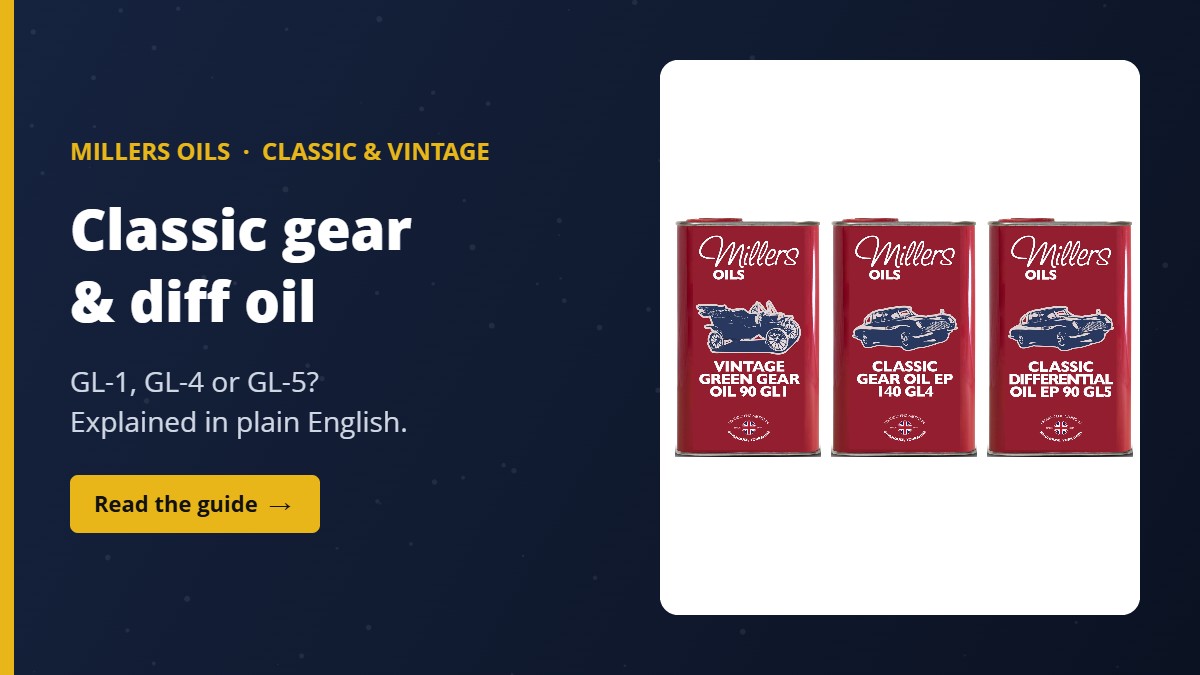
Millers classic gear oils are formulated for this. Classic Gear Oil EP 140 is suitable for brass and bronze components (non-staining), and even Millers’ GL-5 Classic Differential Oil EP 90 is suitable in transmissions with brass and bronze parts. Always use the rating your gearbox or axle specifies.
Classic gearbox oil: which one?
| Your gearbox | Millers | Penrite |
|---|---|---|
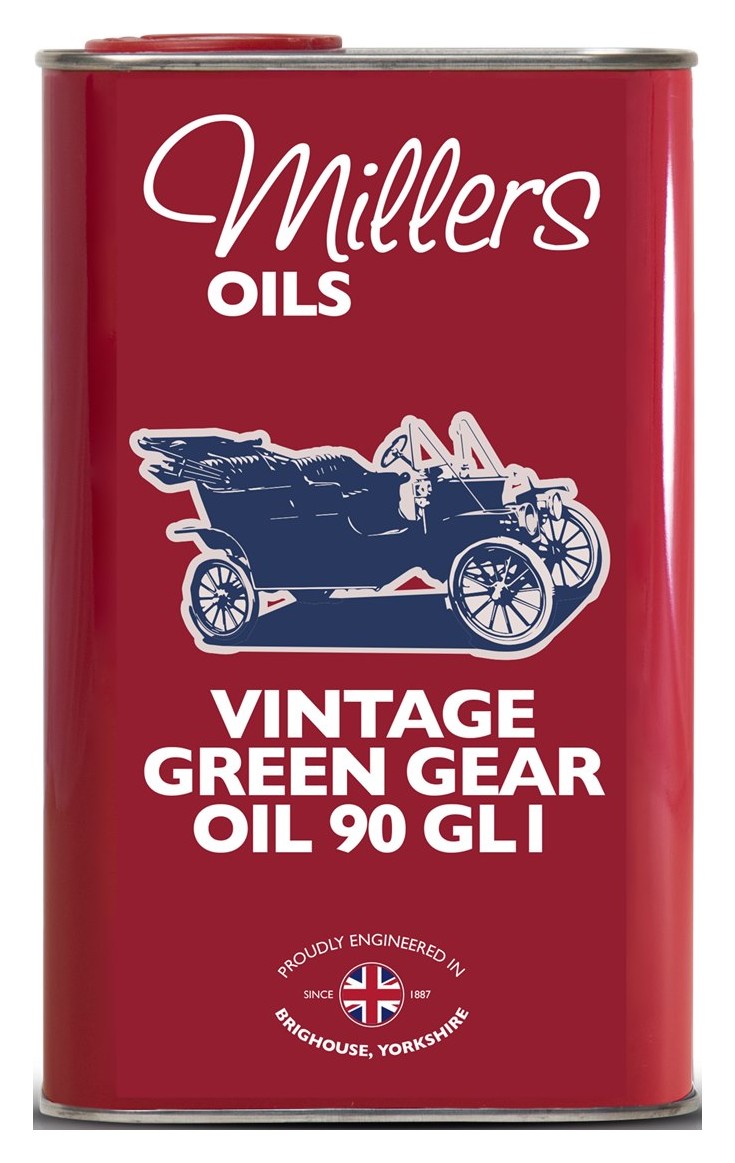
| Veteran and vintage gearboxes that must not use EP oil | Vintage Green Gear Oil 90 or 140 (GL-1) | Transoil 90, Transoil 140, or Transoil 250 for the heaviest applications |
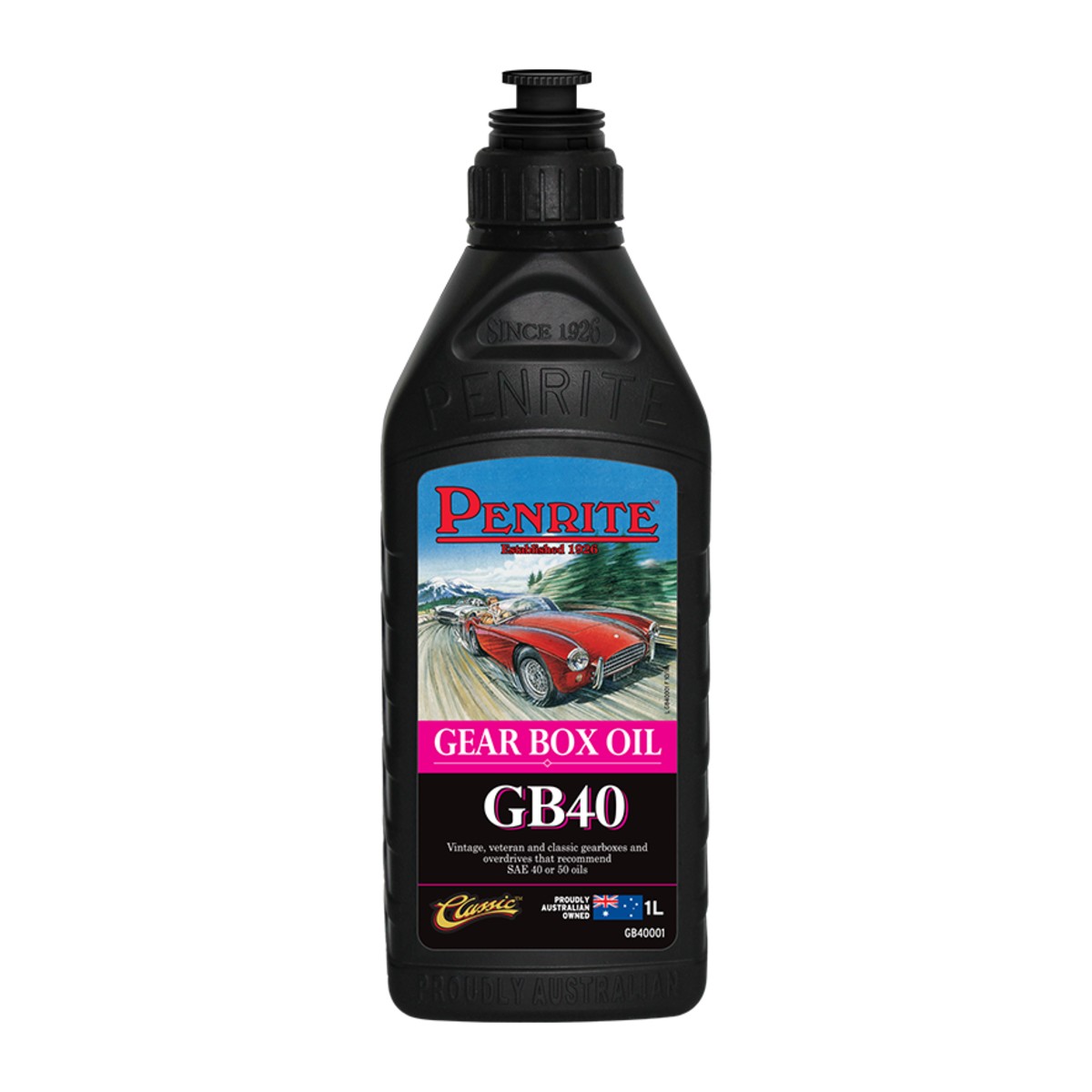
| Gearboxes originally specified for SAE 40 or engine oil, including many with overdrive | Vintage Millerol (where GL-1 is specified) | Gearbox 40: no EP additives, suits Laycock-type overdrives |
| Classic manual gearboxes that need EP (GL-4) | Classic Gear Oil EP 80W-90 or EP 140 (GL-4) | Mild EP SAE 110 (GL-4) |
| Classic Mini (gearbox in the sump) | Uses engine oil. See our classic Mini oil guide. | |
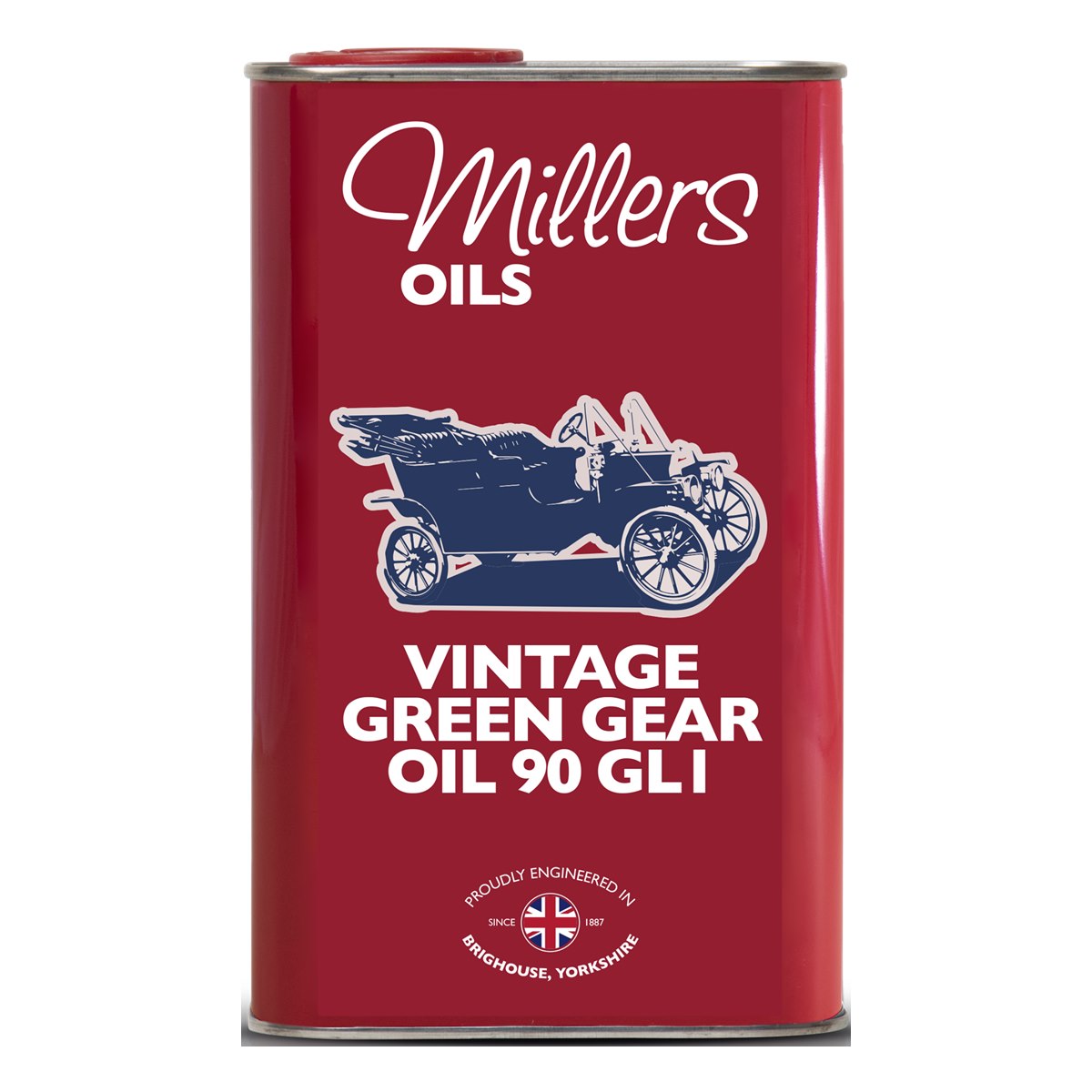
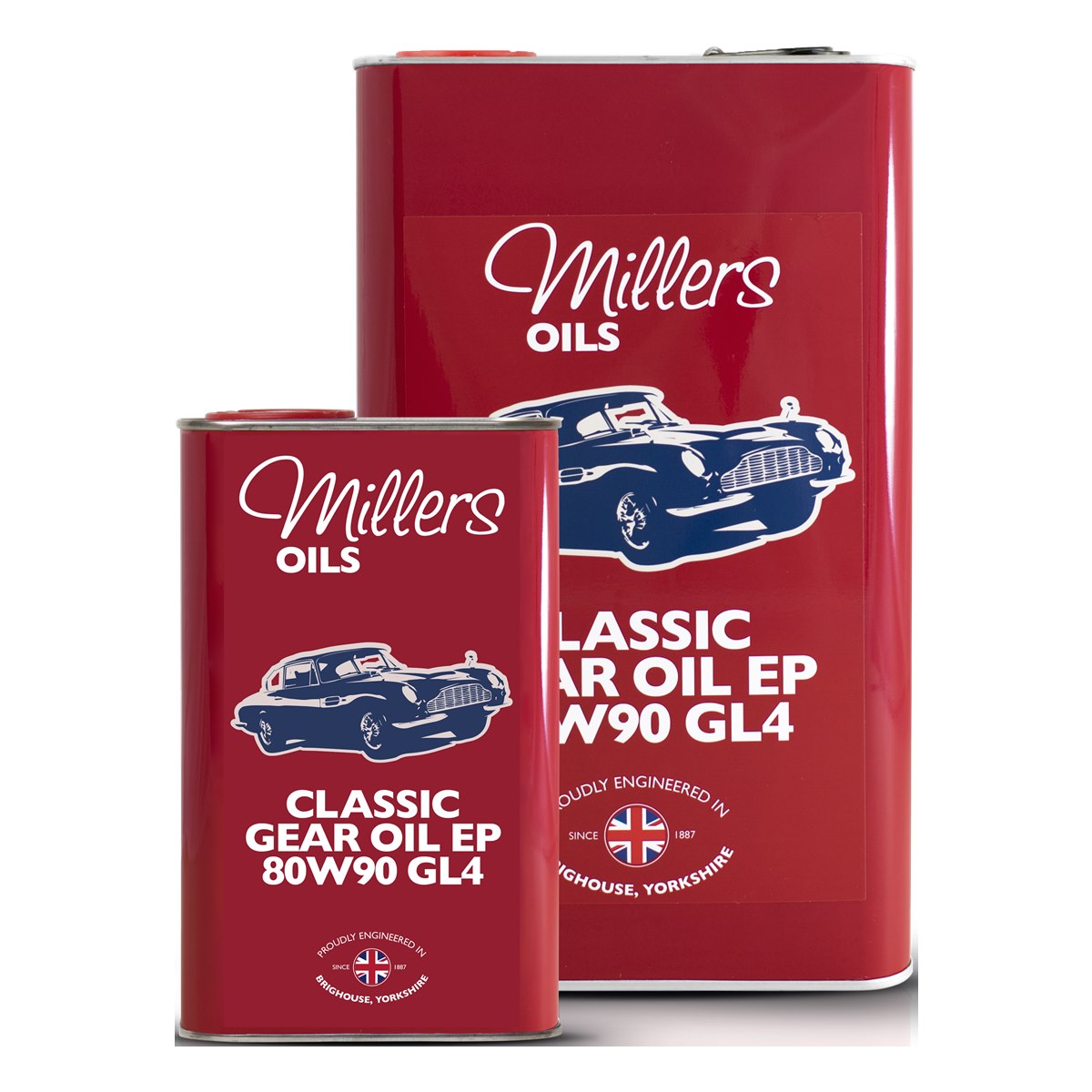
Millers Vintage Green Gear Oil is a non-EP mineral gear oil made for transmissions that rule out extreme-pressure types, with inhibitors against rust and oxidation. Classic Gear Oil EP 80W-90 is an EP mineral GL-4 oil for classic gearboxes and differentials, and it’s also suitable for rear axles that don’t need a hypoid oil. Penrite’s Transoil 250 is the heaviest classic gear oil, equivalent to the old “600W” or steam-cylinder oil used in some veteran and vintage gearboxes and back axles.
Classic differential and axle oil
Most rear-wheel-drive cars from the 1950s onwards have a hypoid differential. The pinion sits below the centre of the crown wheel, so the gear teeth slide against each other under very high pressure. That needs a GL-5 hypoid oil. Older cars may have spiral-bevel, straight-bevel or worm-drive axles, which were designed for plain or mildly EP oils.
| Your axle | Oil |
|---|---|
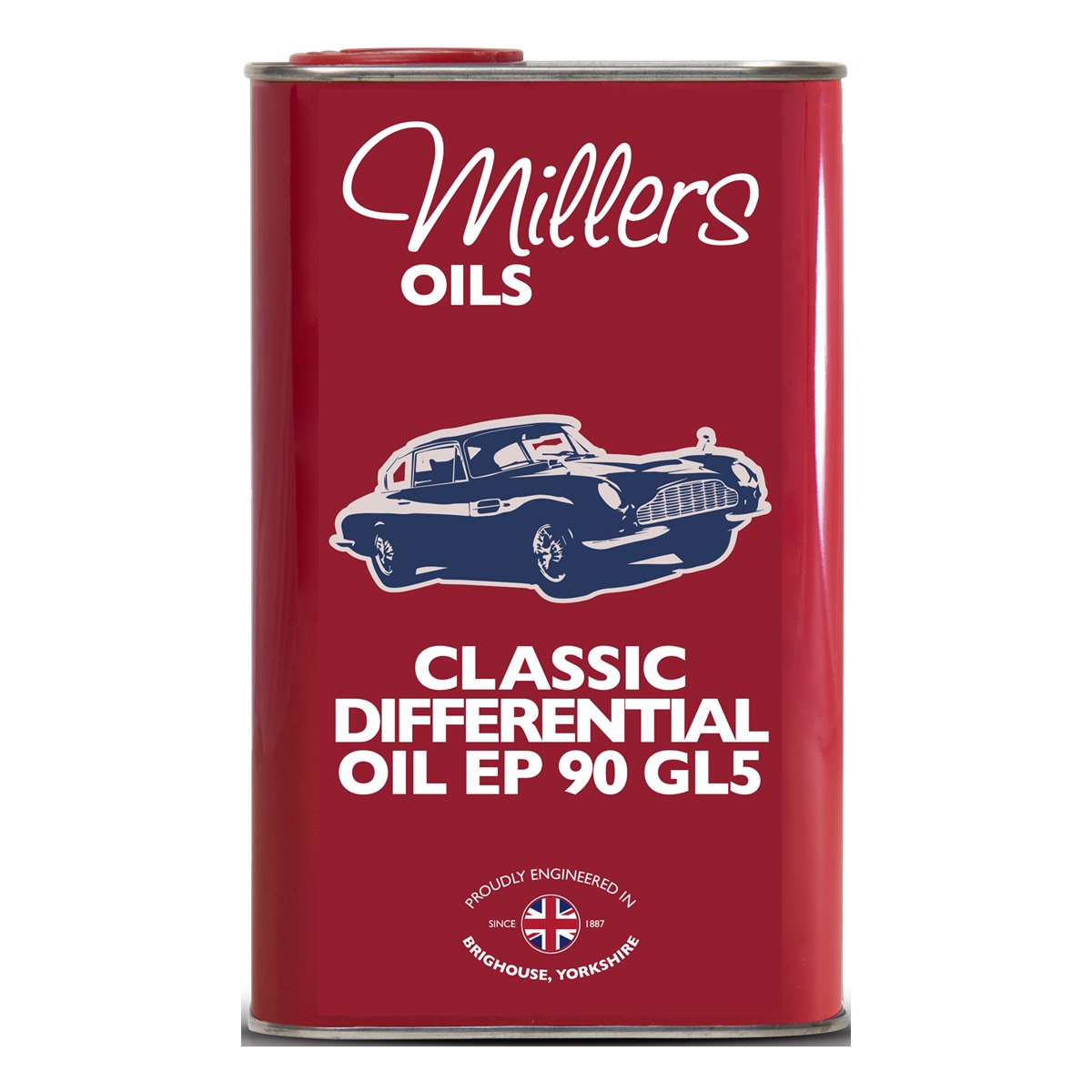
| Hypoid differential (GL-5 specified) | Millers Classic Differential Oil EP 90 or 85W-140 (GL-5) |
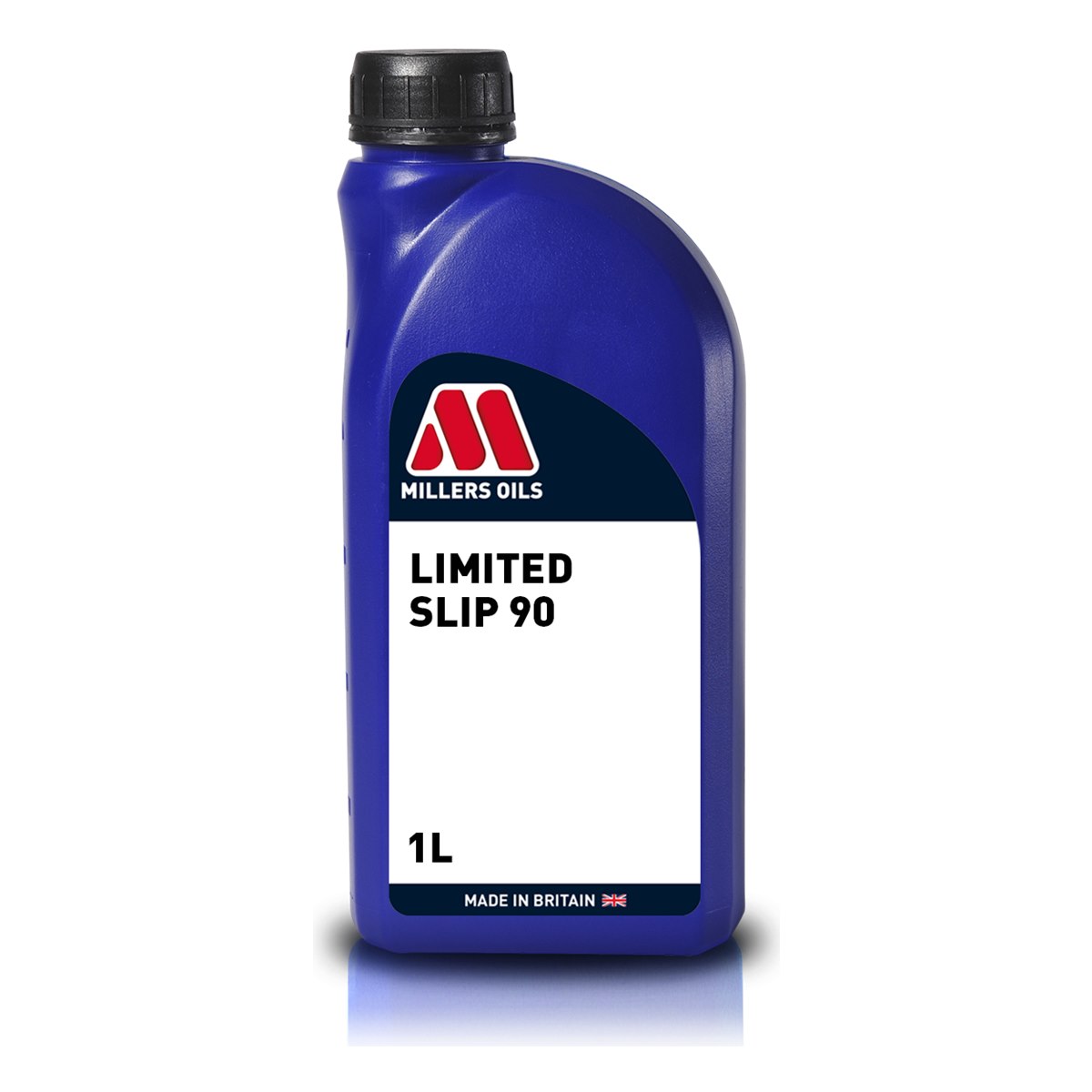
| Limited-slip differential | Millers Limited Slip 90: EP additives plus friction modifiers for smooth, chatter-free operation |
| Non-hypoid axle needing EP (GL-4) | Classic Gear Oil EP 80W-90 or EP 140 |
| Vintage straight-bevel, spiral-bevel and worm axles (plain oil) | Vintage Green Gear Oil 140 or Penrite Transoil 140 |
Steering boxes
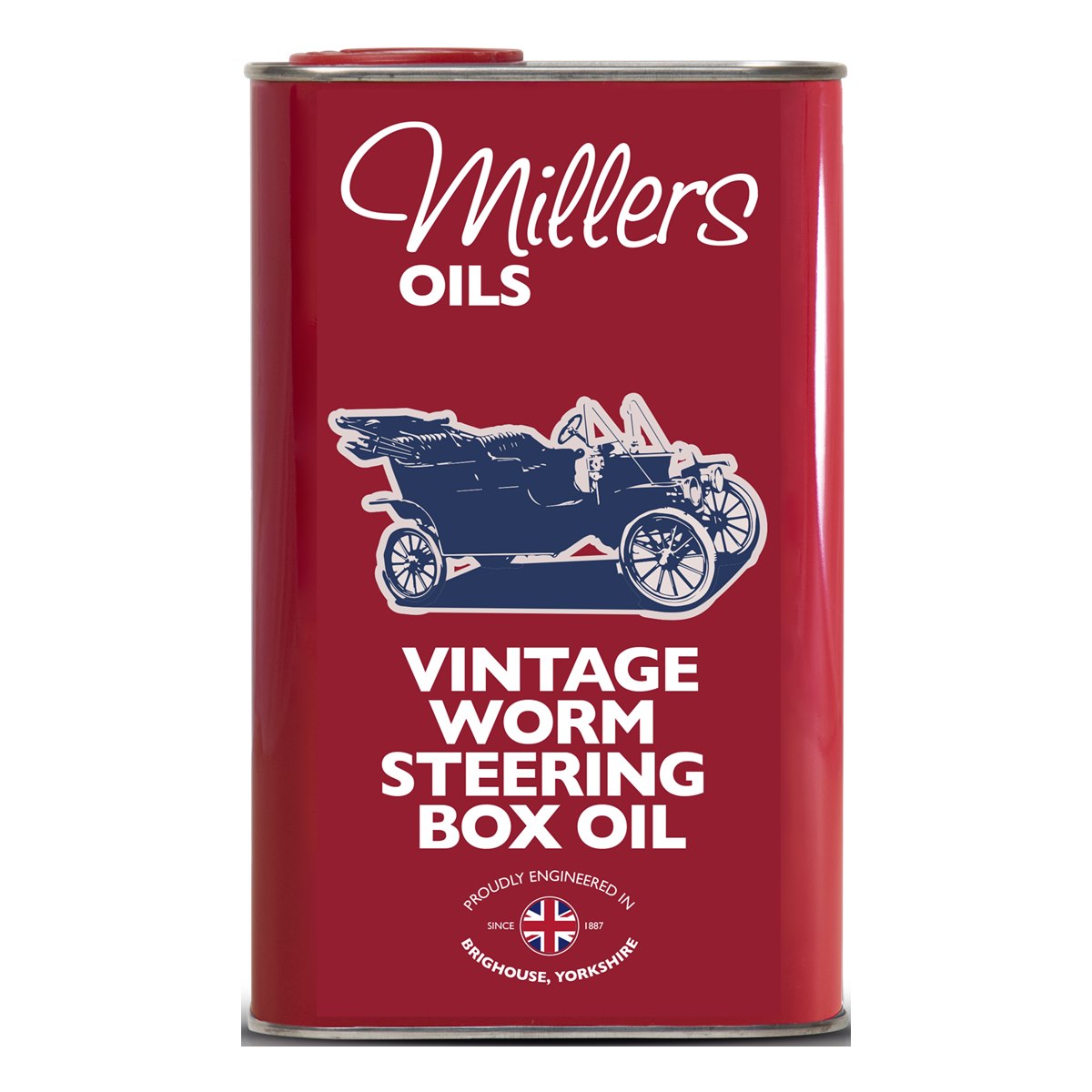
Heavy, “sticky” steering is common on vintage and classic cars with worm-and-nut and similar steering boxes. Millers Vintage Worm Steering Box Oil is a high-viscosity, low-friction oil developed to cure exactly that. It also reduces backlash and leakage, and it has been tested by Rolls-Royce and Bentley engineers, who reported an outstanding transformation in steering feel. For steering boxes, gearboxes and axles that call for a semi-fluid lubricant, or that leak oil, Penrite Semi Fluid Grease is a self-levelling EP lithium grease that resists leakage.
Changing classic gearbox and axle oil
Warm it up
A short drive warms the oil so it drains fully and carries debris out with it.
Undo the filler plug first
Always make sure you can undo the filler (level) plug before you drain anything, so you’re never left with an empty gearbox you can’t refill.
Drain and inspect
Drain the oil and check it and any magnetic drain plug. Fine grey paste is normal wear; chips or flakes of metal need investigating.
Refill to the level plug
With the car level, fill with the correct oil until it just starts to run out of the filler hole, then refit the plug.
Mistakes to avoid
- Putting GL-5 in a gearbox designed for GL-4. It can make the gear change notchy and may harm yellow metals.
- Using EP oil where plain oil is specified. Vintage gearboxes and axles designed for GL-1 should stay on GL-1.
- Using a plain oil in a hypoid axle. Hypoid gears need GL-5 protection.
- Using ordinary oil in a limited-slip diff. It needs the right friction modifiers to work smoothly.
- Assuming it’s gear oil. Some classic gearboxes and overdrives were designed to run on engine oil or straight SAE 40. Check the handbook.
Classic gear oil FAQs
Can I use GL-5 gear oil in a classic gearbox?
Only if the manufacturer specifies it. GL-5 is designed for hypoid differentials. In a gearbox designed for GL-4, its stronger EP additives can reduce synchro grip and make the gear change notchy, and some formulations can harm brass and bronze parts. Use a GL-4 such as Millers Classic Gear Oil EP 80W-90 where GL-4 is specified.
What is GL-1 gear oil?
GL-1 is a plain mineral gear oil with no extreme-pressure additives. It’s used in veteran and vintage gearboxes and axles that were designed before EP oils, or that must not use them. Millers Vintage Green Gear Oil 90 and 140 are non-EP GL-1 oils.
What’s the difference between GL-4 and GL-5?
Both contain extreme-pressure additives, but GL-5 has a much stronger EP package for hypoid differentials under very high sliding pressure. GL-4 has a moderate level suited to manual gearboxes and non-hypoid axles. They aren’t interchangeable, so use the one your handbook specifies.
What oil goes in a gearbox with overdrive?
Check the handbook, because many classic gearboxes with overdrive were designed to run on engine oil or a straight SAE 40 rather than gear oil. Penrite Gearbox 40 is a straight SAE 40 with no EP additives, suitable for older gearboxes and overdrives such as Laycock.
How can I make heavy classic steering lighter?
If the steering box is in good condition, the right oil can make a big difference. Millers Vintage Worm Steering Box Oil is developed to reduce the sticky, heavy steering found on many vintage and classic cars, and it also reduces backlash and leakage. Check the tyre pressures and the steering joints too.
What oil does a limited-slip differential need?
A limited-slip diff needs an oil with friction modifiers so the clutch plates work smoothly without chattering. Millers Limited Slip 90 is an EP mineral gear oil treated with friction modifiers for limited-slip differentials.
More classic guides: classic car oil guide, classic Mini oil, gearbox oil explained (for modern cars) which grease do I need? and shock absorber and SU dashpot oil.