Which Grease Do I Need? Copper, Red Rubber, Moly & Multi-Purpose Grease Explained
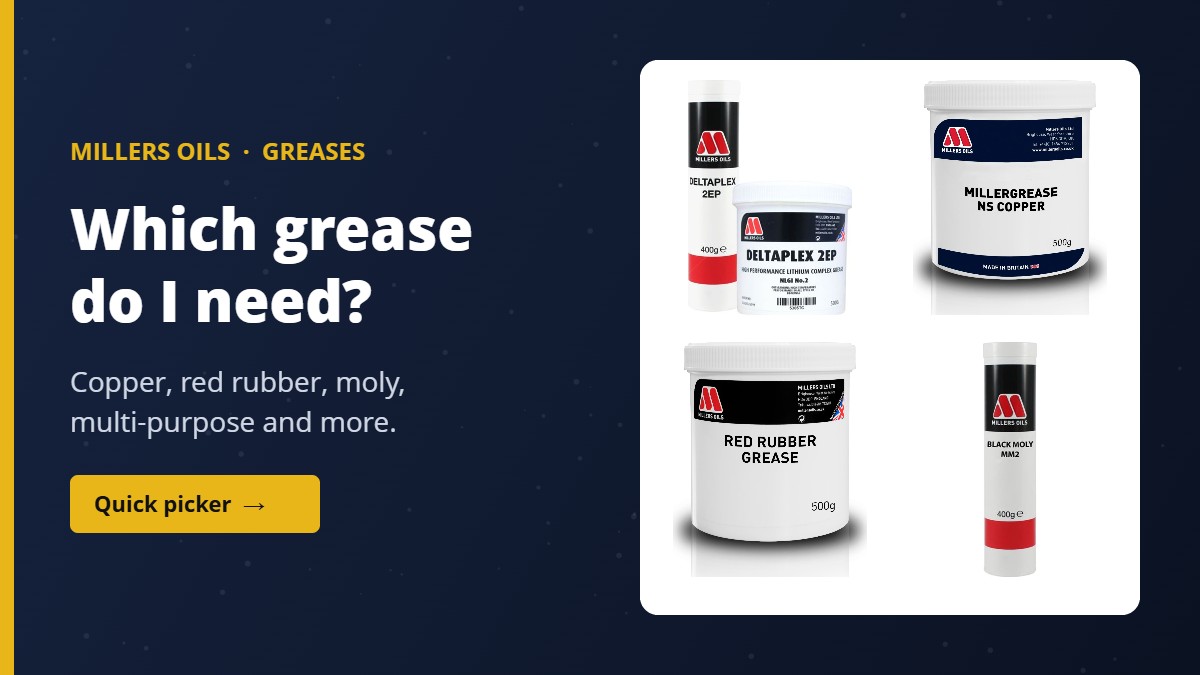
Grease isn’t just grease. The right one keeps a bearing, joint or thread working for years. The wrong one can swell brake seals, seize a thread you’ll need to undo later, or wash out of a bearing in the first wet week. This guide explains the main types of grease we stock, what each one is for, and how to pick the right one in seconds.
Quick picker: which grease for which job?
| Job | Grease | Why |
|---|---|---|
| Wheel bearings, chassis grease nipples, universal joints, general use | Millers Deltaplex 2EP | Multi-purpose lithium-complex EP grease, NLGI 2 |
| Heavily loaded parts that need extra anti-wear protection | Millers Black Moly MM2 | Lithium grease with molybdenum disulphide, -20°C to 140°C |
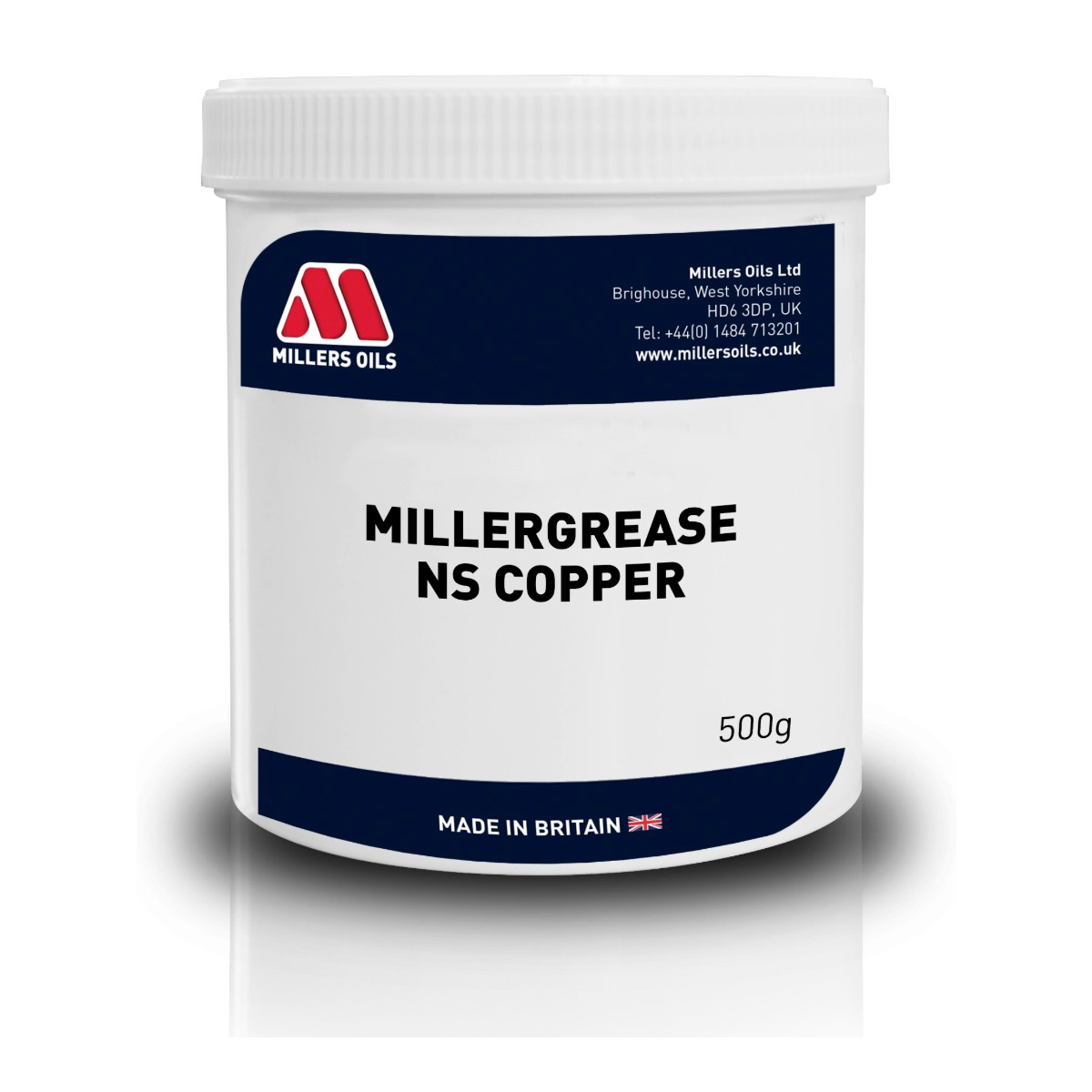
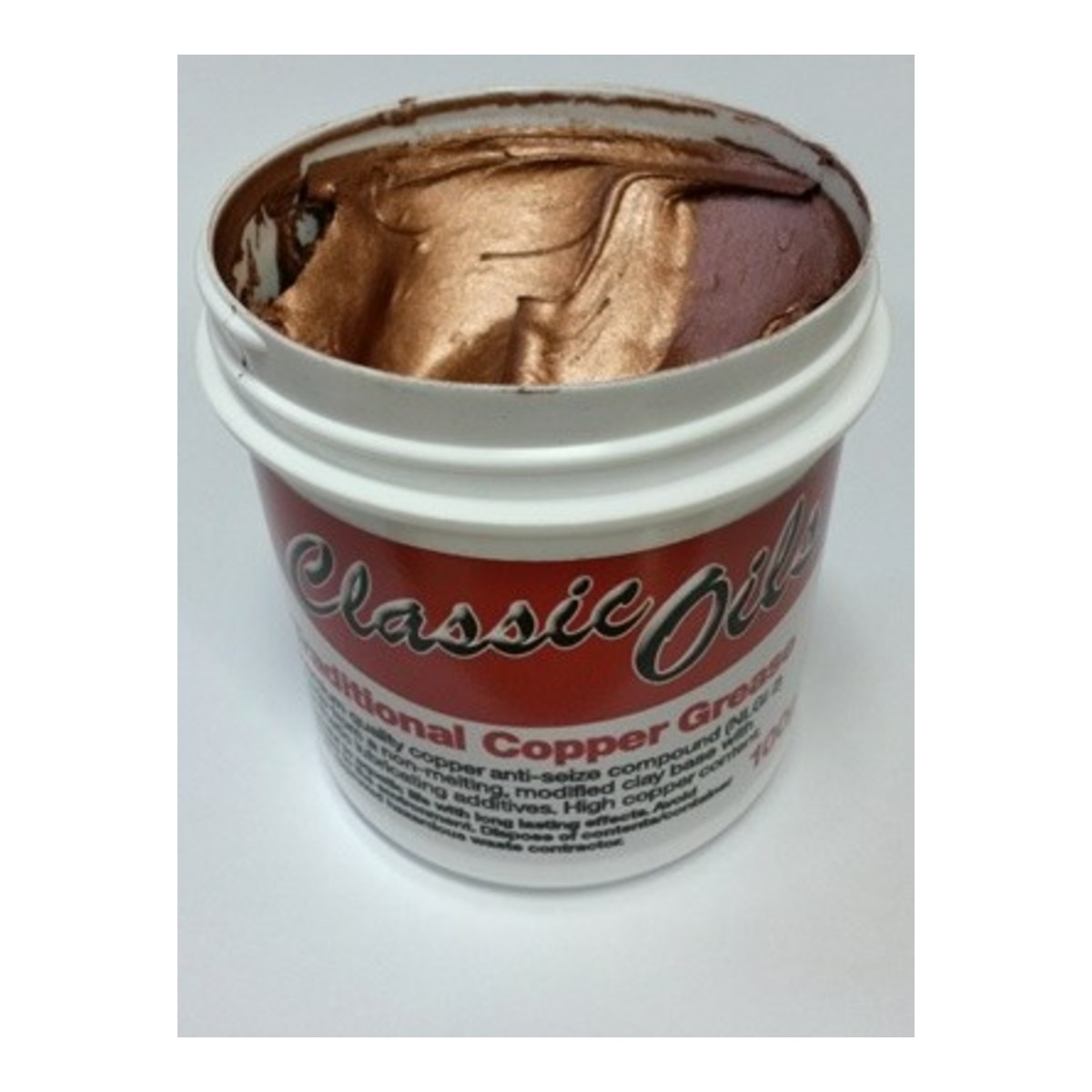
| Threads, studs, exhaust fixings and anything you’ll want to undo later | Millergrease NS Copper or Classic Oils Copper | Copper anti-seize, -20°C to +1100°C |
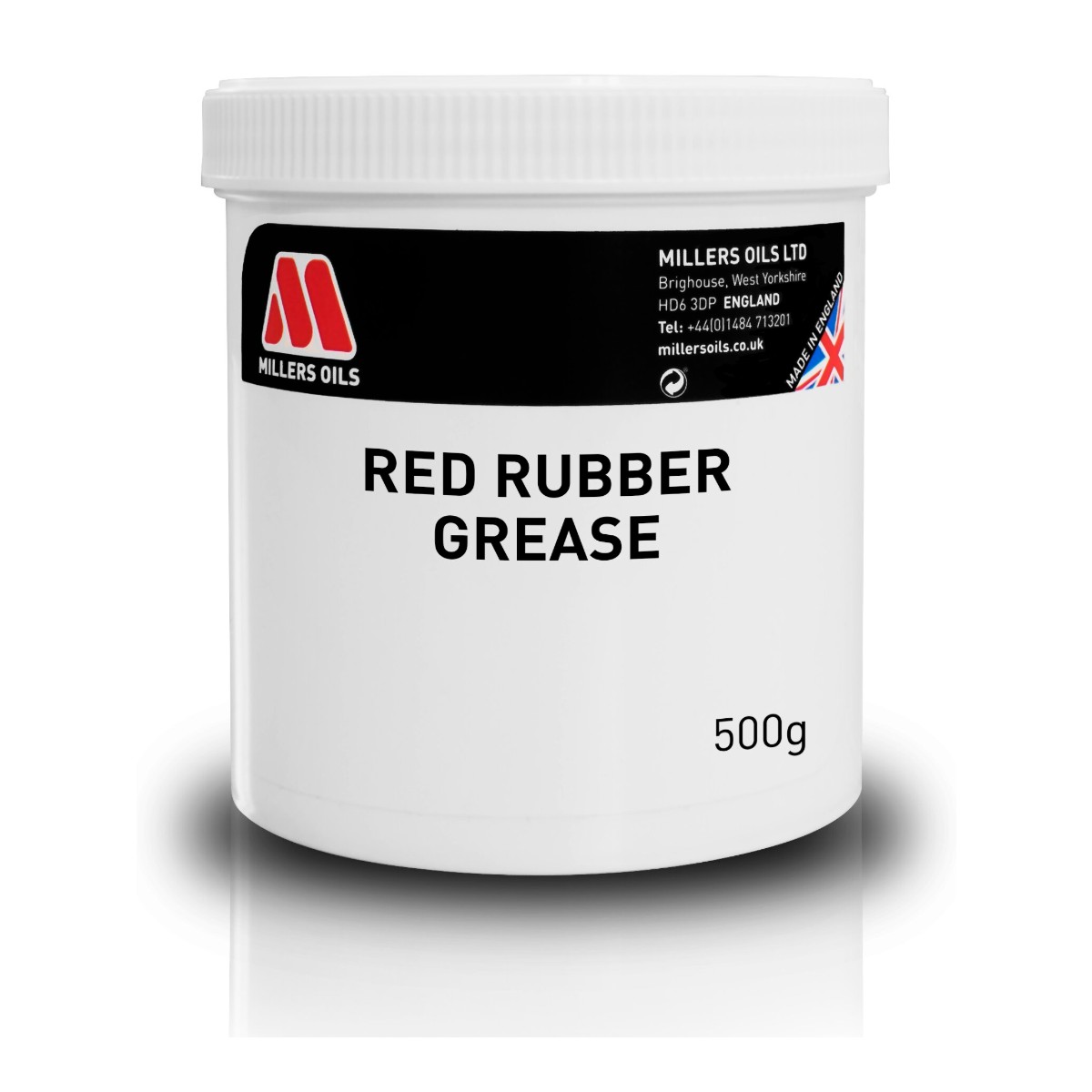
| Brake and hydraulic seals, rubber components | Millers Red Rubber Grease or Classic Oils Red Rubber | Vegetable-oil based, won’t swell or damage rubber |
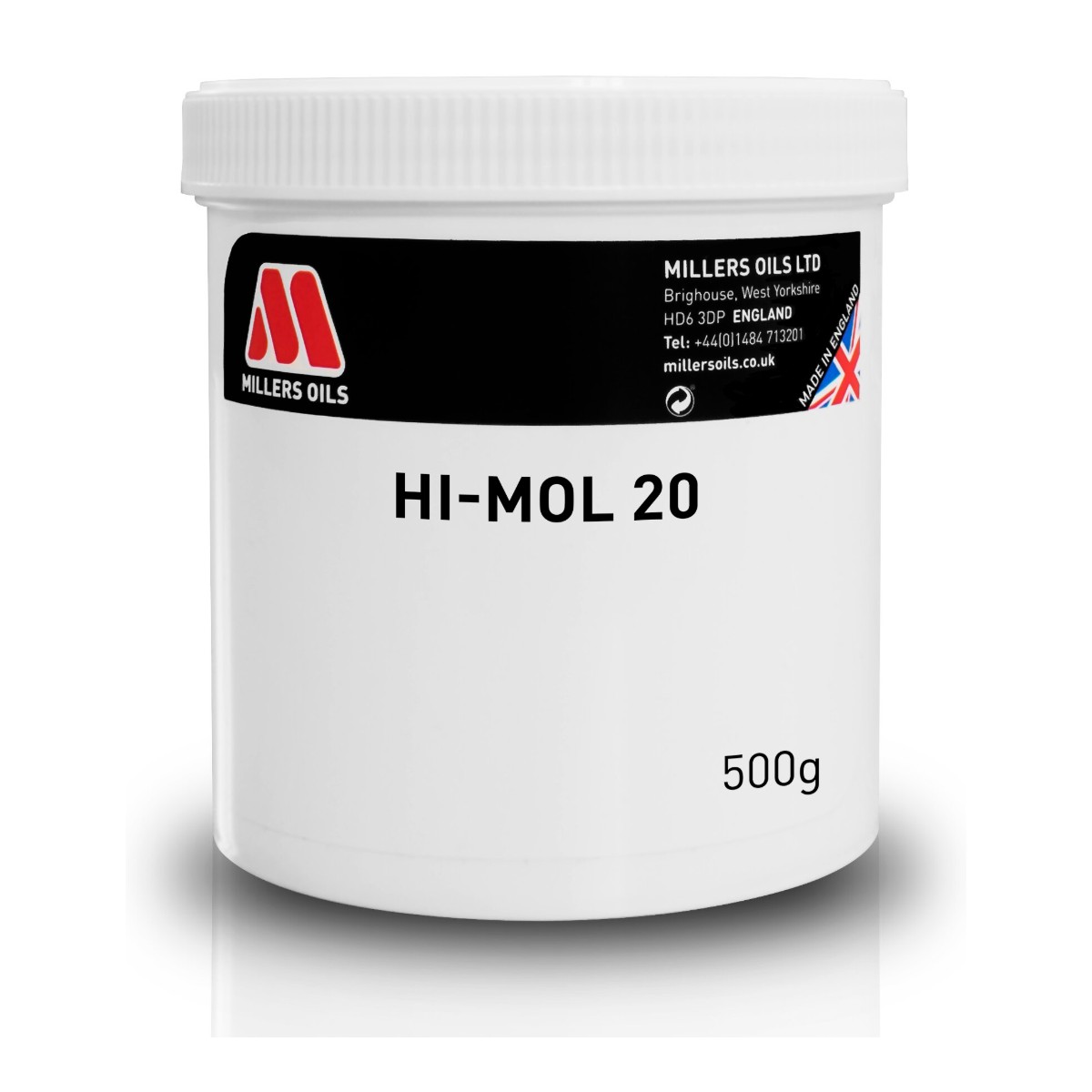
| Motorsport CV joints | Millers Hi-Mol 20 | 20% moly race grease for very high loads |
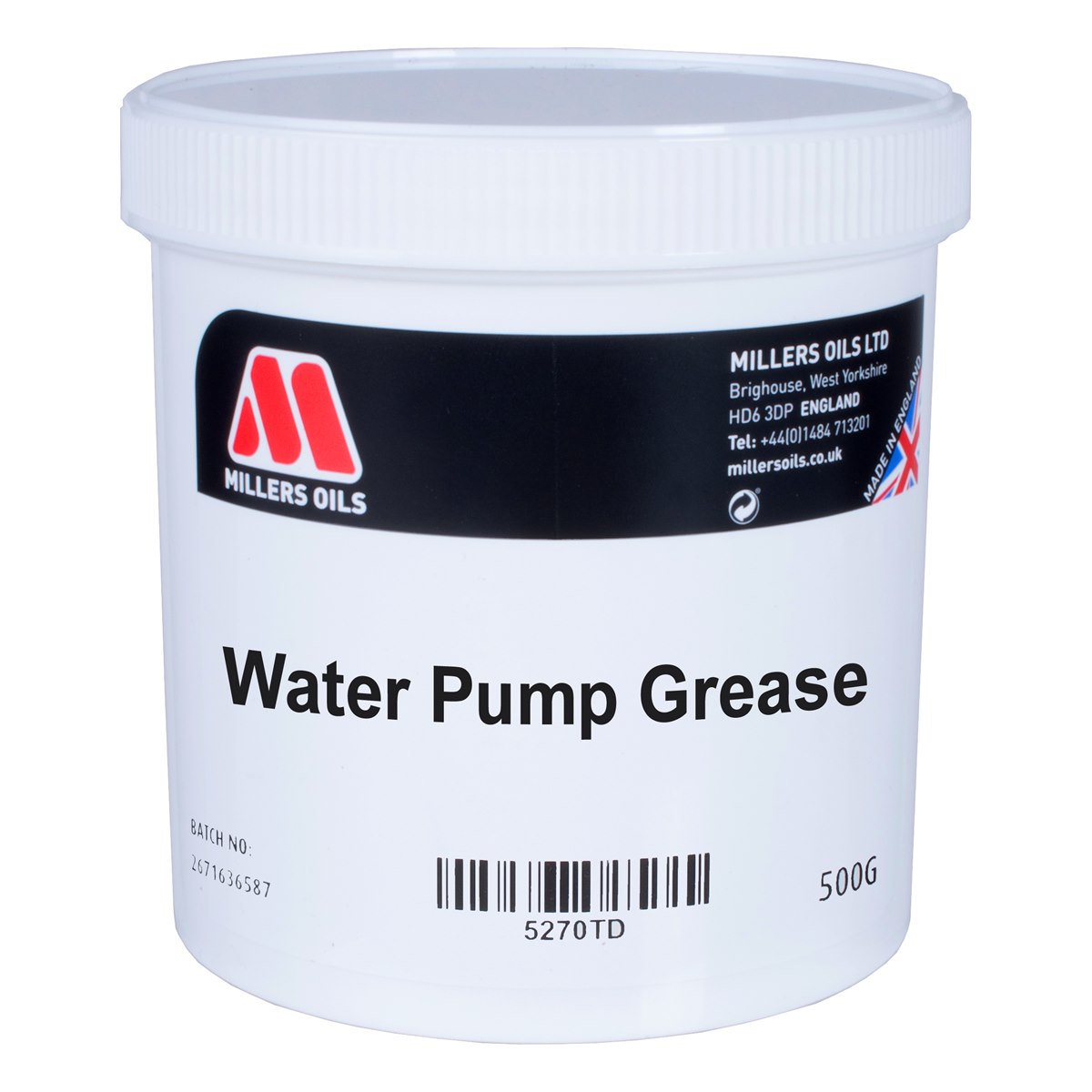
| Vintage water pumps (1920s and 30s) | Millers Water Pump Grease | Traditional calcium-based, extremely water repellent |
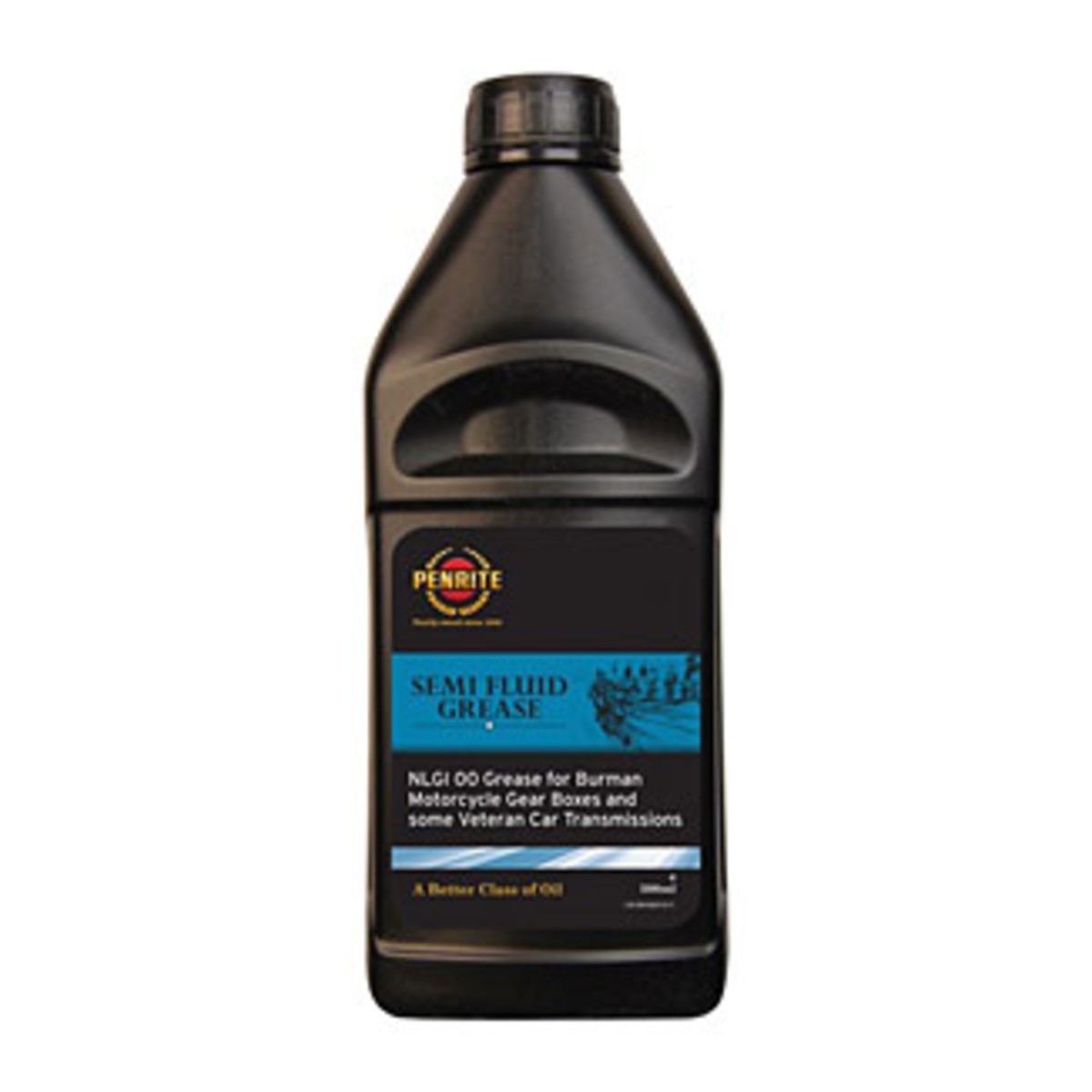
| Classic gearboxes, axles and worm-and-peg steering boxes needing semi-fluid grease | Penrite Semi Fluid Grease | Self-levelling EP lithium grease that resists leaking |
Grease basics in two minutes
A grease is an oil held in a “thickener”, a bit like a sponge holding water. Three things decide what it’s good for:
- The thickener: lithium and lithium-complex greases are the all-rounders; calcium greases are very water-resistant; silica and bentonite (clay) thickeners are used in specialist greases such as red rubber grease.
- The NLGI grade: how firm it is, from semi-fluid (000–0) to very firm (4 and above). NLGI 2 is the typical consistency for most automotive bearings and grease nipples.
- Additives and solids: “EP” (extreme pressure) additives protect under heavy loads; solid lubricants like molybdenum disulphide (“moly”) or copper keep working even when the oil film is squeezed out.
Multi-purpose grease: Deltaplex 2EP
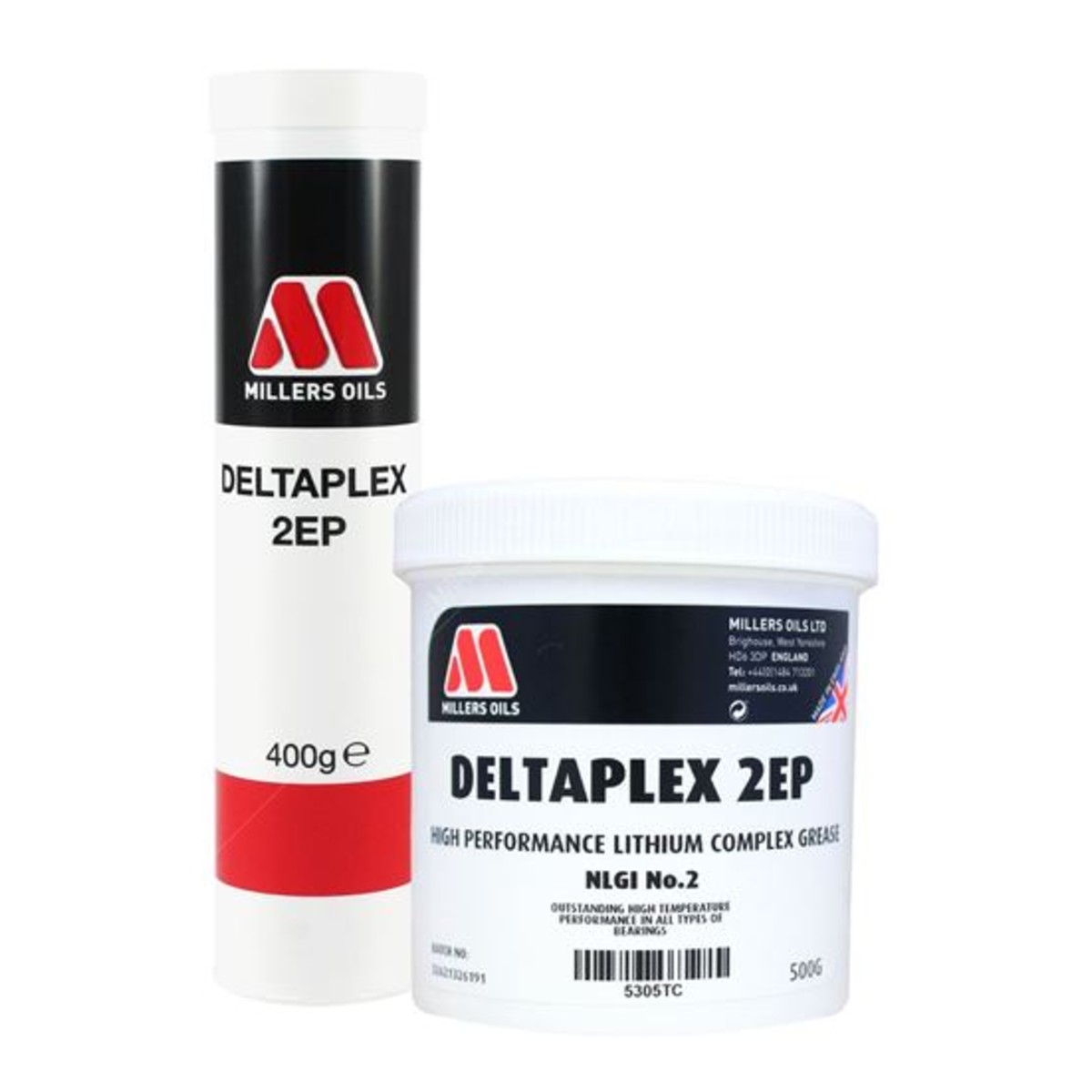
If you only keep one grease in the workshop, make it a good multi-purpose EP grease. Millers Deltaplex 2EP is a smooth red lithium-complex grease in NLGI 2 with outstanding extreme-pressure performance. It suits both anti-friction (ball and roller) and plain bearings, is ideal for universal joints and chassis grease points, and resists corrosion over a wide temperature range.
Moly grease for heavy loads: Black Moly MM2 and Hi-Mol 20
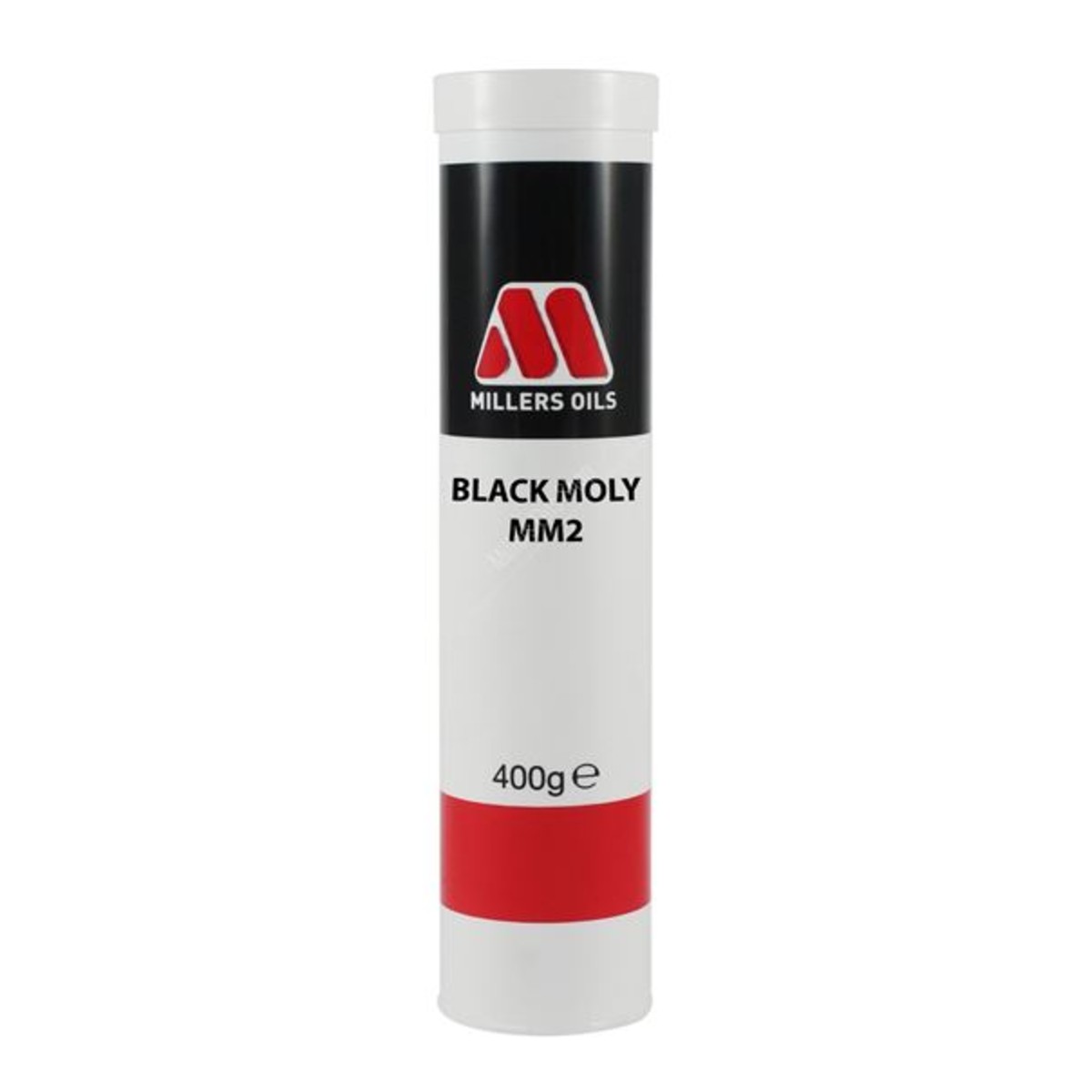
Molybdenum disulphide is a solid lubricant that clings to metal and keeps protecting when heavy loads squeeze the oil out. Millers Black Moly MM2 is a versatile lithium moly grease for heavily loaded automotive and industrial parts, working from -20°C to 140°C. For motorsport, Millers Hi-Mol 20 takes it much further with 20% moly. It’s proven over many competition seasons in highly loaded CV joints, where it stops sliding splines binding under hard acceleration.
Copper grease: an anti-seize, not a lubricant
Copper grease is one of the most useful things in any toolbox, and one of the most misused. It’s an anti-seize compound: you put it on threads and joints so they don’t corrode or seize, and come apart easily years later. Millergrease NS Copper is non-melting and works from -20°C to +1100°C, ideal for threaded connections, studs, exhaust fixings and high-temperature assemblies. It goes on easily by brush, sponge or cloth. For restorers, Classic Oils Traditional Copper Anti-Seize has double the copper content of standard copper greases.
Red rubber grease: for brake and hydraulic seals
Ordinary mineral-oil greases make rubber swell and soften, which is the last thing you want on a brake seal. Red rubber grease is made from vegetable oil, so it’s safe on rubber. Use it when assembling brake and clutch cylinders, hydraulic seals and other rubber parts. Millers Red Rubber Grease (500g) is thickened with silica and easy to spot by its red colour. Classic Oils Traditional Red Rubber Grease (250g) uses a bentonite thickener with corrosion and oxidation inhibitors, and is compatible with both natural and synthetic rubbers.
Greases for classic and vintage vehicles
Older vehicles were designed around greases that modern multi-purpose products don’t always replace. Millers Water Pump Grease is a solid, calcium-based NLGI 4 grease developed for the water pumps of 1920s and 1930s vehicles, and it’s extremely water repellent. Penrite Semi Fluid Grease is a self-levelling, extreme-pressure lithium grease for gearboxes, axles and chassis points that call for a semi-fluid lubricant, and it’s also used in classic worm-and-peg steering boxes. It resists leaking where oil would escape.
Need a different grease? Millers make many more.
The greases above are the ones we keep on the shelf, but Millers Oils make a much wider range of automotive, agricultural and industrial greases, and we can supply them to order in different pack sizes. For example:
- Millergrease Synth HT 2: synthetic high-temperature lithium-complex EP grease with PTFE
- Millergrease WG2: lithium-calcium EP grease that resists water washout
- Millersil No.2: non-melting silicone grease for extreme temperatures and chemical resistance
- Millfood Premium 2 HT: NSF H1 food-grade grease for the food and drink industry
Tell us what you’re greasing and the size you need, and we’ll find the right Millers grease for the job.
Ask about Millers greases →Common greasing mistakes
- Using copper grease on bearings. It’s an anti-seize compound, not a bearing lubricant.
- Using ordinary grease on brake seals. Mineral-oil grease swells rubber. Use red rubber grease.
- Mixing different greases. Greases with different thickeners aren’t always compatible and can soften or separate. Clean the old grease out where you can.
- Over-greasing sealed bearings. Pumping in too much can push seals out. A few strokes of the grease gun until fresh grease appears is usually enough.
- Using a modern grease where a vintage one is specified. Some older designs, like early water pumps, need the traditional grease they were built for.
Grease FAQs
What is copper grease used for?
Copper grease is an anti-seize compound. It’s used on threads, studs, exhaust fixings and high-temperature assemblies to stop them corroding and seizing, so they come apart easily later. Millergrease NS Copper works from -20°C to +1100°C.
Can I use copper grease on wheel bearings?
No. Copper grease is not a bearing lubricant. Use a proper bearing grease such as Millers Deltaplex 2EP, a lithium-complex EP grease designed for anti-friction and plain bearings.
What grease should I use on brake seals?
Red rubber grease. It’s vegetable-oil based, so it won’t swell or damage rubber brake and hydraulic seals the way ordinary mineral-oil grease can.
What does NLGI 2 mean on grease?
NLGI grades describe how firm a grease is, from semi-fluid (000) to very firm (6). NLGI 2 is a medium consistency and the most common grade for automotive bearings and grease nipples.
What is moly grease?
Moly grease contains molybdenum disulphide, a solid lubricant that keeps protecting heavily loaded parts when the oil film is squeezed out. Millers Black Moly MM2 is a general-purpose moly grease; Hi-Mol 20 contains 20% moly for motorsport CV joints.
Can I get other Millers greases?
Yes. Millers make many more automotive, agricultural and industrial greases, including high-temperature, water-resistant, silicone and food-grade greases, and we can supply them to order in different pack sizes. Contact us with what you need.
More guides: gearbox oil explained, power steering fluid: PSF vs CHF, DOT 5 silicone brake fluid and our winter lay-up checklist.