
How to Run In a Rebuilt Classic Engine (and Which Oil to Use)
You’ve spent months and a lot of money rebuilding your classic’s engine. The next 500 miles decide whether it runs sweetly for years, or burns oil and lacks compression from day one. Running in is the process that lets the new piston rings, bores, camshaft and bearings bed in together, and the oil you use during it matters as much as how you drive. This guide explains how to run in a rebuilt classic engine, based on Millers Oils’ own running-in procedure.
What running in actually does
A freshly honed cylinder bore has a fine cross-hatch pattern, and new piston rings don’t yet match it perfectly. During running in, the rings wear microscopically into the bores until they form a tight gas seal. The same bedding-in happens between the cam lobes and followers, and in the bearings. Get it right and you get full compression, strong performance, good economy and low oil consumption. Get it wrong and the rings may never seal properly, leaving you with blow-by, smoke and an engine that uses oil.
Why use a running-in oil?
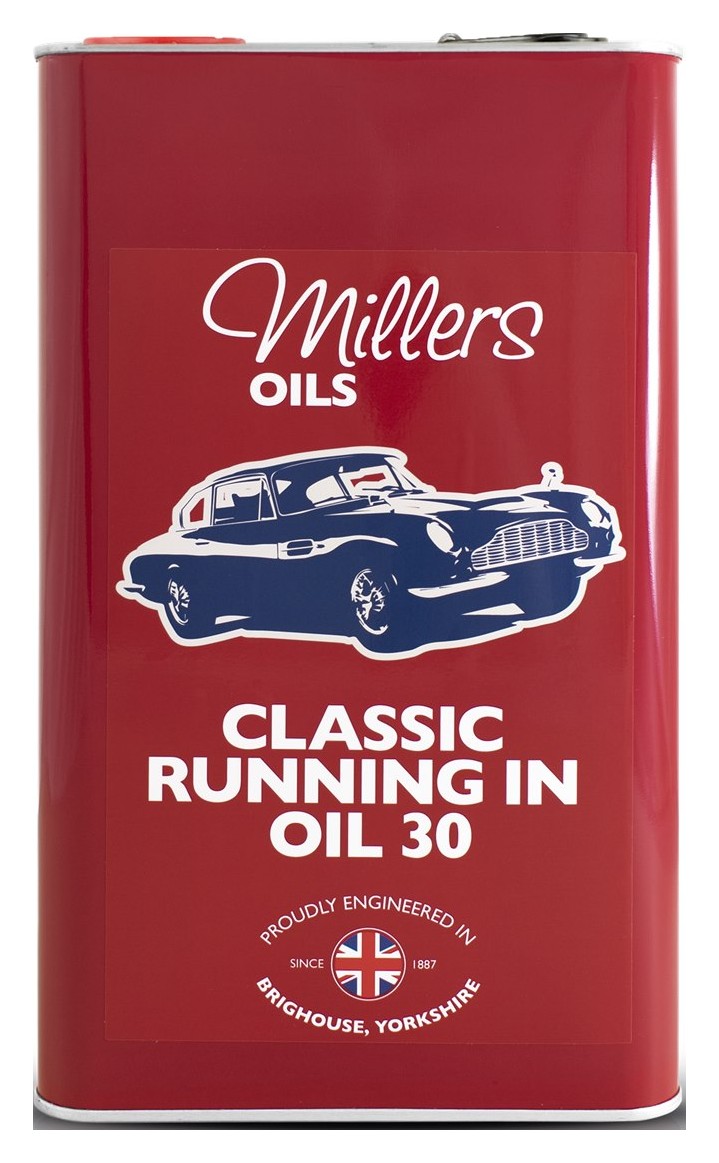
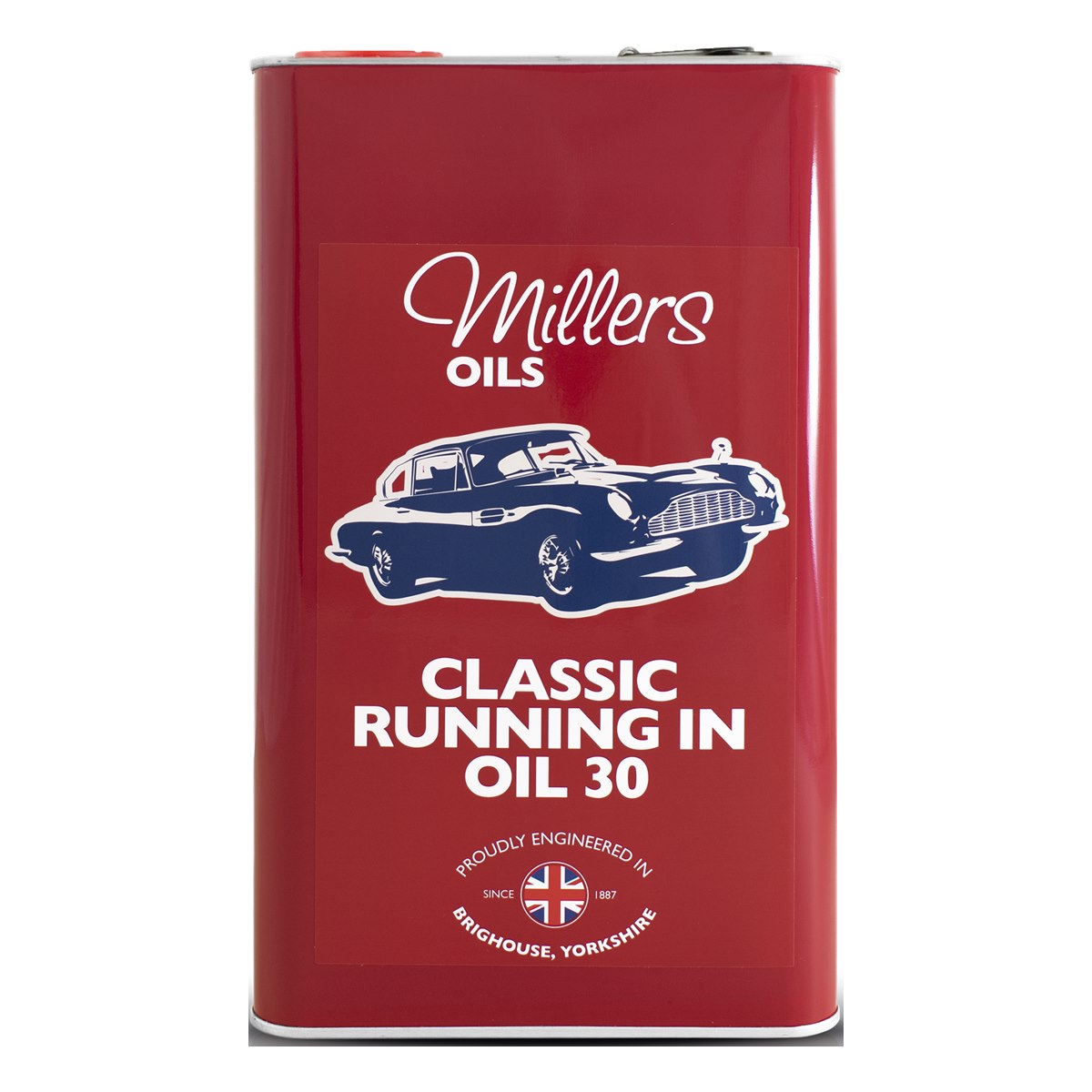
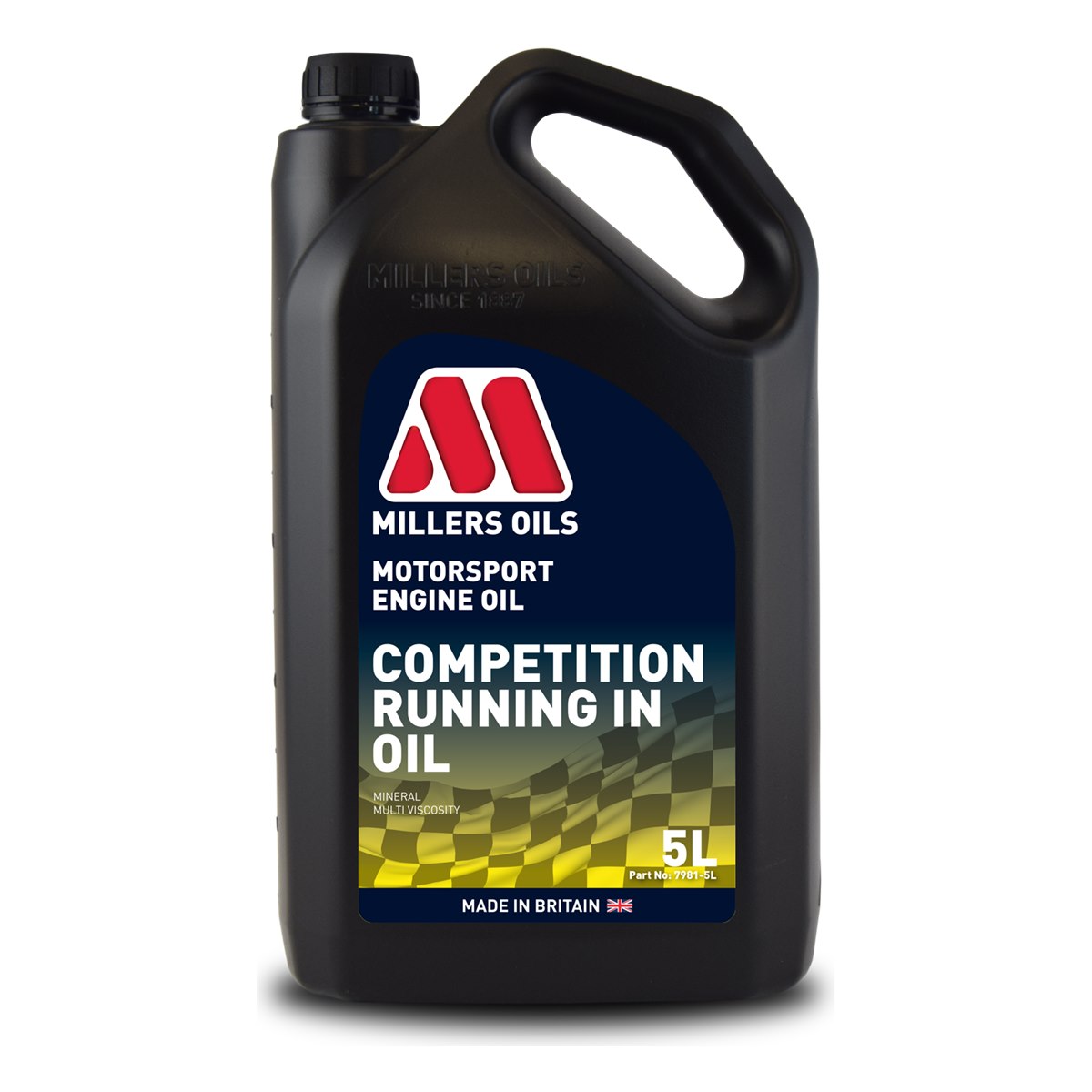
A running-in oil has a delicate balance to strike. It has to let the rings and bores wear in against each other, while fully protecting the highly stressed valve gear. Millers Classic Running In Oil 30 is a mineral SAE 30 made for exactly this in vintage and classic engines, with API SE/CC performance. It’s designed to last the full running-in period, and Millers report very low leak-down (around 4%) after a thorough running-in with it.
Before the first start
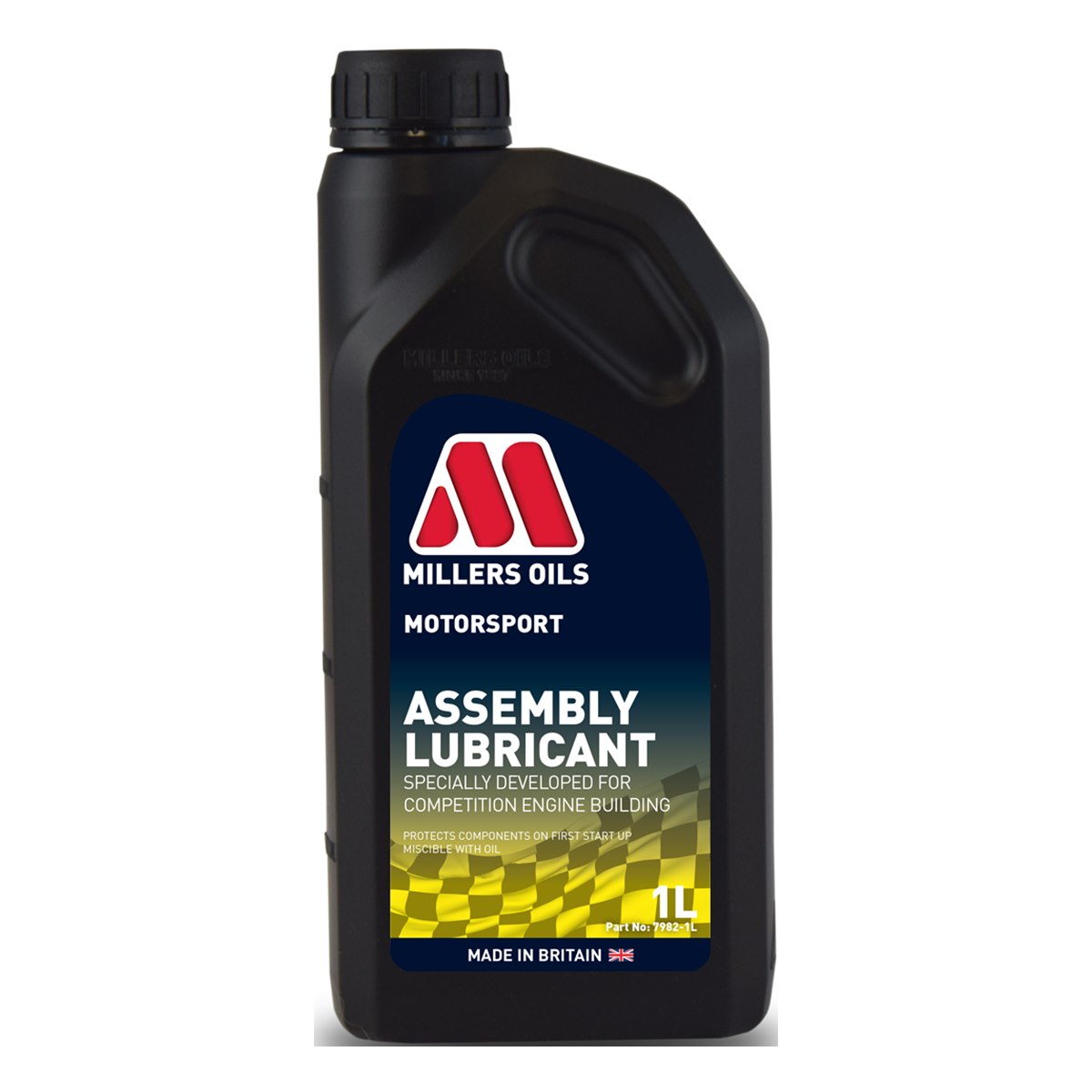
The first few seconds after start-up, before oil pressure builds, are when a new engine is most at risk. Millers recommend using Millers Assembly Lube on vital components during the rebuild. It’s a high-anti-wear lubricant designed to stay on parts such as cam lobes and followers, and crankshaft bearings, protecting them until the running-in oil takes over. Then fill the engine with running-in oil to the maximum mark on the dipstick.
If your engine has a new flat-tappet camshaft, follow your engine builder’s or cam supplier’s bedding-in procedure for the first start. Many specify a fast idle for the first period rather than letting the engine tick over slowly.
How to run in a rebuilt classic engine
Fill with running-in oil
With the engine built to a high standard and assembled with assembly lube, fill with Millers Classic Running In Oil to the maximum mark on the dipstick.
Start up and check everything
Once it’s running, watch the oil pressure and temperature gauges closely, and check for oil, water and fuel leaks before you set off.
Run it at peak torque, under load
Millers’ advice is to run the engine at peak torque for about 500 miles on the road, or on a test bed or rolling road. Load the engine in the middle of its rev range, where it pulls hardest, so the rings are pushed firmly against the bores. Vary your speed, and avoid long periods of idling, constant-speed cruising, labouring in too high a gear, or high revs.
Keep an eye on it
Check the oil level often, as a new engine can use some oil while the rings bed in. Keep checking for leaks, and follow your builder’s advice on any re-torquing or adjustments after the first heat cycles.
Change the oil and filter at 500 miles
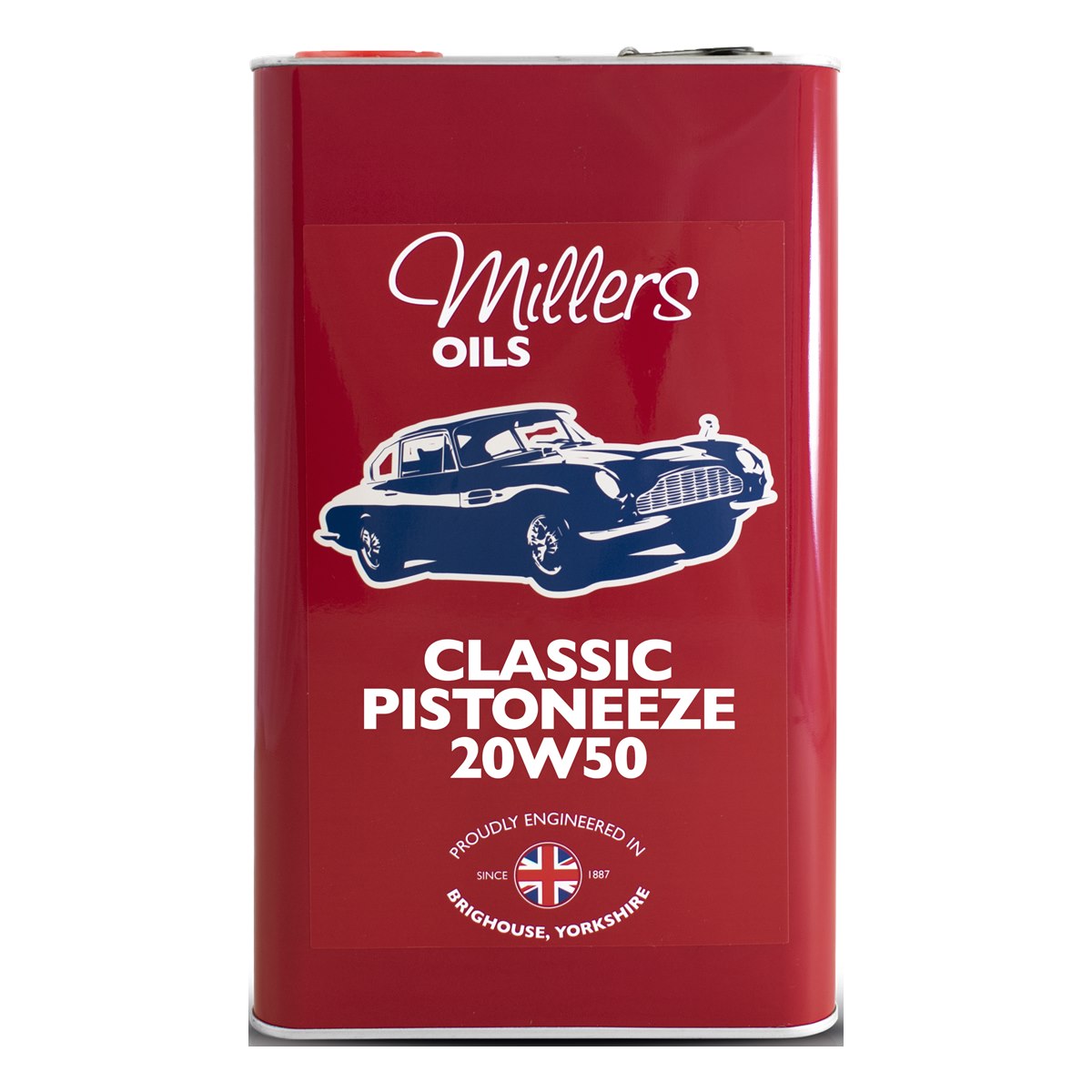
Drain the running-in oil, change the oil filter, and refill with the right Millers classic oil for your engine, such as Pistoneeze 20W-50. Our classic car oil guide will help you choose.
How do you know it’s run in?
According to Millers, signs that running in is complete include:
- compression up to the manufacturer’s specification
- better performance, such as stronger acceleration
- improved fuel efficiency
- reduced oil consumption
A compression or leak-down test after running in is the best way to confirm the rings have sealed. Millers stress that their procedure is a general guide, and the engine builder is responsible for making sure the right procedure is followed for each engine, so always follow any specific instructions from your builder.
Mistakes to avoid
- Running in on synthetic or semi-synthetic oil. It can glaze the bores so the rings never seal.
- Babying the engine. Too little load, long idling and gentle constant-speed cruising don’t push the rings against the bores. Load it at peak torque.
- Thrashing it. Avoid high revs and labouring at very low revs until it’s run in.
- Skipping assembly lube. Cams and bearings are at their most vulnerable on the first start.
- Leaving the running-in oil in. Change the oil and filter at 500 miles to remove wear particles, then switch to a service oil.
Running-in FAQs
How long does it take to run in a rebuilt engine?
Millers recommend about 500 miles on the road, running the engine at peak torque, or the equivalent on a test bed or rolling road. Then change the oil and filter and switch to a normal classic engine oil.
Can I run in an engine on synthetic oil?
No. Millers advise against fully synthetic or semi-synthetic oils, or any high-performance oil, until running in is complete, because they can lead to bore glazing and stop the piston rings bedding in properly. Use a mineral running-in oil such as Millers Classic Running In Oil 30.
Why do I need a special running-in oil?
A running-in oil lets the piston rings wear into the bores to form a good seal, while still fully protecting highly stressed parts such as the valve gear. A normal service oil, especially a synthetic one, may not let the rings bed in as well.
Should I drive gently while running in?
Not too gently. The engine needs load to push the rings against the bores, so Millers recommend running at peak torque. Use moderate throttle in the middle of the rev range and vary your speed, but avoid high revs, labouring in a high gear and long periods of idling or constant-speed cruising.
Do I need to change the oil after running in?
Yes. After about 500 miles, drain the running-in oil, change the oil filter to remove the wear particles from bedding in, and refill with the correct Millers classic engine oil, such as Pistoneeze.
What is assembly lube for?
Assembly lube is applied to components such as cam lobes, followers and crankshaft bearings while the engine is built. It stays on the parts and protects them during the first start, before oil pressure is established. Millers recommend using it together with their running-in oil.
More classic guides: classic car oil guide, classic gear and differential oil, lead replacement and E10 protection and shock absorber and SU dashpot oil.